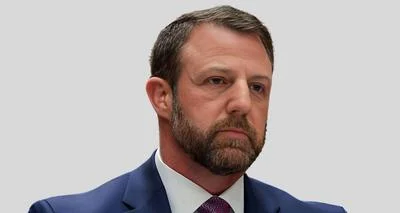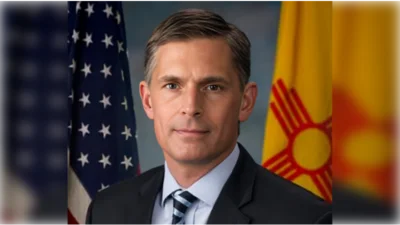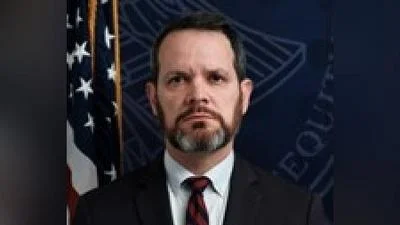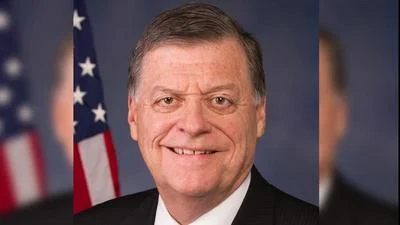
Senators Bill Cassidy and Jim Risch announced on Apr. 29 the introduction of the Heat Workforce Standards Act, which aims to prevent new federal heat safety rules proposed by the Biden administration from taking effect. The senators said these regulations would create burdensome requirements for employers and threaten jobs in Louisiana.
The issue is significant because it concerns worker safety as well as economic impacts for small businesses and local industries. The Senate Health, Education, Labor, and Pensions Committee, chaired by Cassidy during the 119th Congress, oversees such workforce issues according to the official website.
Cassidy said, “Protecting Louisiana workers is my top priority. The Democrats’ proposal puts workers at risk and threatens their livelihoods. Any effort on worker safety should provide needed clarity and flexibility to ensure Louisianans can earn a paycheck in a safe working environment.” Risch added that federal heating standards would limit local control: “One-size-fits-all federal heating standards prevent small businesses and farmers from appropriately protecting the people they employ.”
Supporters of the bill include industry groups such as the Louisiana Farm Bureau Federation and National Federation of Independent Business. Richard Fontenot of the Farm Bureau said he supports eliminating “the threat of burdensome regulation” that does not consider existing workplace protections. Shane Marler from the Louisiana Home Builders Association called current proposals "unworkable" for local businesses.
The legislation comes after a recent Biden administration proposal requiring all employers to comply with new mandates regarding staffing, recordkeeping, and mandatory breaks based on heat levels—a move critics say could raise costs for small businesses while making compliance difficult. Dylan Rosnick from NFIB said these mandates would increase regulatory control over small businesses already working to protect employees’ health.
Charles Crain of the National Association of Manufacturers stated that practical safety measures should be informed by real-world experience rather than broad regulations: “We thank Chairman Cassidy for rejecting a one-size-fits-all heat standard.” Ben Brubeck from Independent Electrical Contractors noted that OSHA already requires protection against temperature hazards under existing law.
The Senate Health, Education, Labor, and Pensions Committee plays an important role in shaping public health policy across education and labor sectors nationally according to its official website. It provides oversight of relevant agencies like FDA and NIH while influencing regulations affecting worker rights nationwide.
Looking ahead, supporters urge Congress to enact this legislation promptly in order to prevent what they describe as costly new compliance burdens on American businesses.