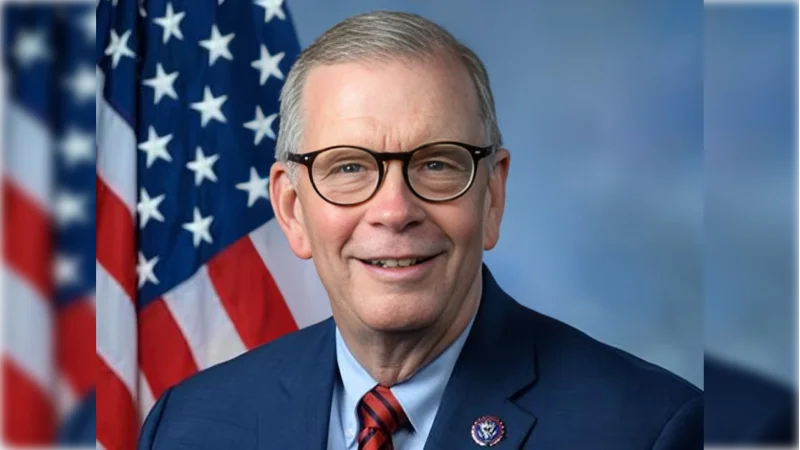
Education and Workforce Committee Chairman Tim Walberg said on Apr. 30 that he supports the Department of Education’s final rule aimed at lowering college costs and simplifying student loan repayment options. The statement comes as the department implements key student loan provisions of the Working Families Tax Cuts.
The topic is important because rising tuition, complex borrowing processes, and confusing repayment systems have made it difficult for working families to afford higher education. The new rule is intended to address these issues by reducing borrowing burdens and making repayment more predictable.
Walberg said, “This final rule delivers on the promise of the Working Families Tax Cuts by pairing meaningful tax relief with long-overdue reforms to our broken student loan system. For too long, rising tuition, unlimited borrowing, and confusing repayment options have put working families at a disadvantage.”
He also said, “The current system has too often left borrowers worse off. This rule helps ensure students can pursue higher education without being saddled with unsustainable levels of debt, while encouraging schools to deliver real value.”
Walberg added that these changes will provide relief similar to what Americans receive from tax cuts: “Just as the Working Families Tax Cuts provide relief in Americans’ paychecks, these reforms provide relief on the back end by lowering borrowing and making repayment more predictable and transparent.” He concluded his remarks by saying he commends the Trump administration for advancing these reforms.
The House Education and Workforce Committee manages federal programs concerning education, labor, health and workforce development according to its official website. The committee also influences policy on issues such as student loans and worker protections according to its official website. It serves in the legislative sector with jurisdiction over education and labor matters according to its official website.
Broader implications may include increased access for students seeking higher education without taking on unsustainable debt levels. Observers will be watching how these regulatory changes affect both students’ financial well-being and institutional accountability moving forward.