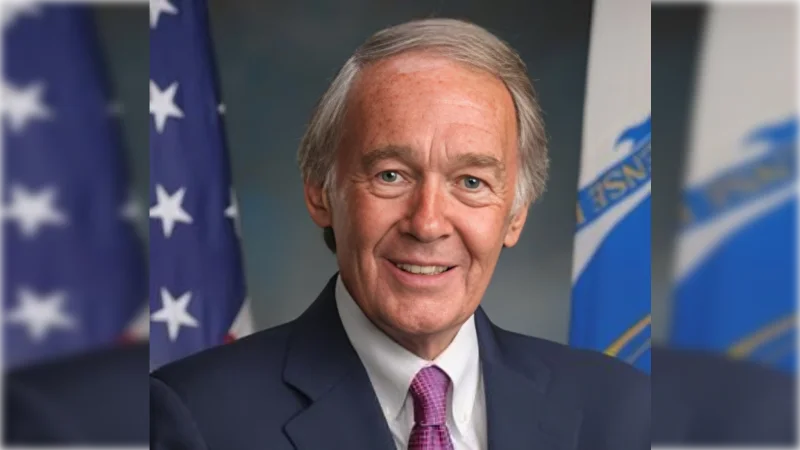
Ranking Member Edward J. Markey announced on May 7 new data showing that President Trump's actions regarding Iran are contributing to rising fuel costs for American families, small businesses, and workers. The data indicate that if current gas prices remain at $4.54 per gallon, the average American family could face an annual increase of $1,753 in fuel expenses—an increase of more than 50% since February.
This issue is significant as it highlights a growing affordability crisis affecting households and small business owners across the country. According to Markey's analysis, these higher fuel costs come alongside increased electricity prices, grocery bills, and health care expenses.
"American small businesses and families cannot afford Trump’s crushing bump at the pump—all thanks to the President’s illegal war on Iran," said Ranking Member Markey. "Trump and his billionaire cabinet members have said that gas prices ‘likely peaked’ and will come ‘crashing down’ when Trump’s war ends all while their big oil and gas buddies continue to see their profits go up and up. Meanwhile, Americans have to figure out how to make ends meet while Trump slashes affordable health care, dismantles clean energy networks, and doubles down on his tariff taxes. Instead of swindling taxpayers to pay for his gilded ballroom and finding new ways to give CEO billionaires tax breaks, Trump should focus on ending his war on Iran and ending the pain on Main Street."
Markey's findings show that as of the week of May 4, drivers now face an average annual increase of more than $876 in fuel costs per vehicle. Families with two cars may pay $1,753 more each year—a nearly 40% rise since last month’s analysis by Markey. During Trump's first year in office, major oil companies such as ExxonMobil, Chevron, ConocoPhillips, Shell, and BP reported profits exceeding $75 billion.
Markey has taken several steps over recent months in response: he has called for greater transparency from federal agencies about economic impacts related to U.S.-Iran policy; urged large retailers and shippers to pass tariff refunds onto consumers after certain tariffs were struck down by the Supreme Court; released reports detailing broader affordability challenges; highlighted ongoing issues caused by what he terms “Liberation Day” tariffs; proposed legislation aimed at supporting small businesses affected by these policies; and held press events with other senators addressing these concerns.
The Senate Small Business and Entrepreneurship Committee plays a role in informing national fiscal priorities through nonpartisan budgetary analysis—including oversight of the Congressional Budget Office—and contributes policy options for Congress regarding federal budget components according to the official website.