American Stewards of Liberty
Recent News About American Stewards of Liberty
-

American Stewards of Liberty is urging Congress to require stronger coordination between federal agencies and local governments over land use decisions.
-
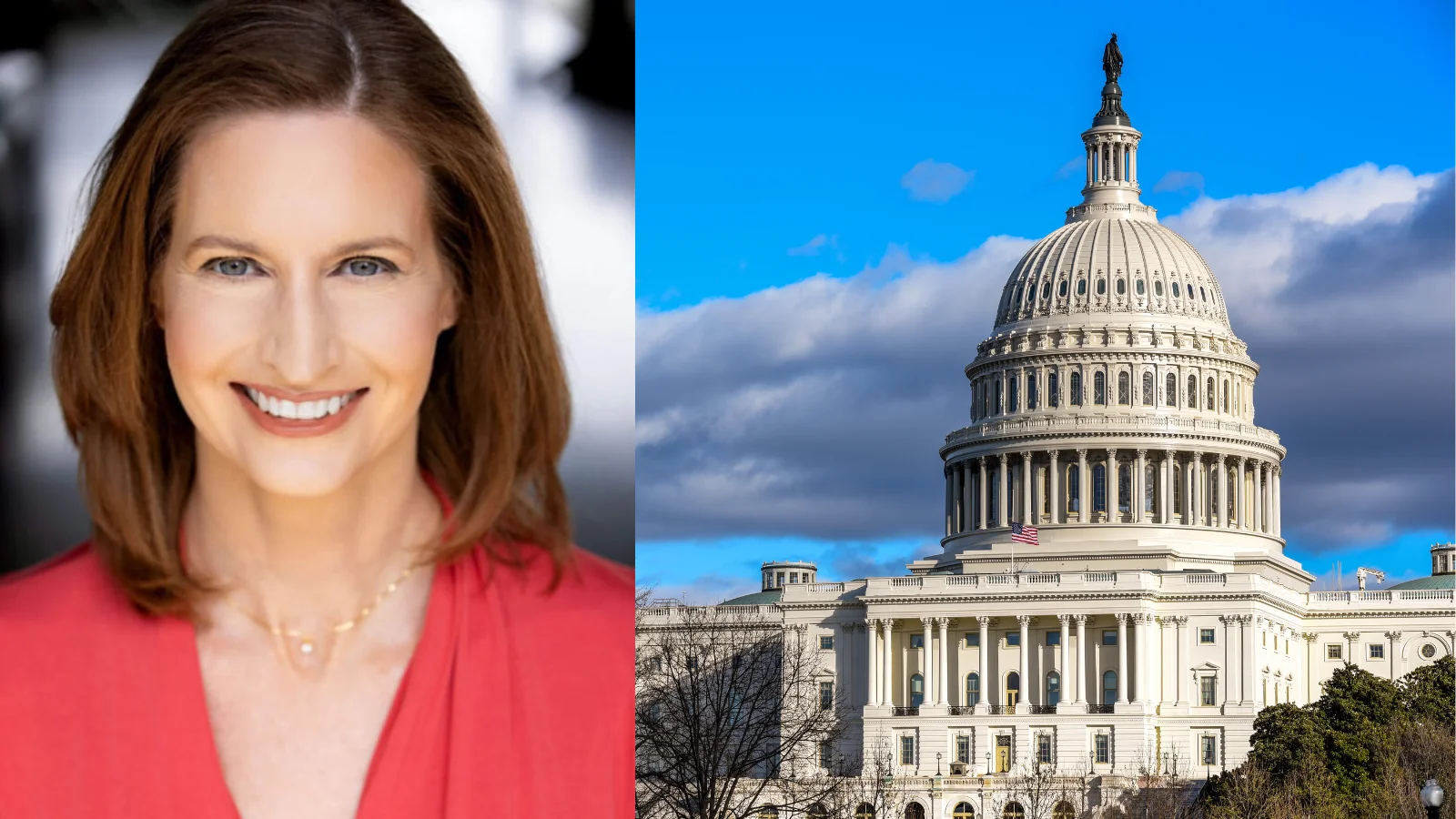
Margaret Byfield of American Stewards of Liberty urged Congress to require endangered species listings to expire after ten years unless renewed by regulators.
-
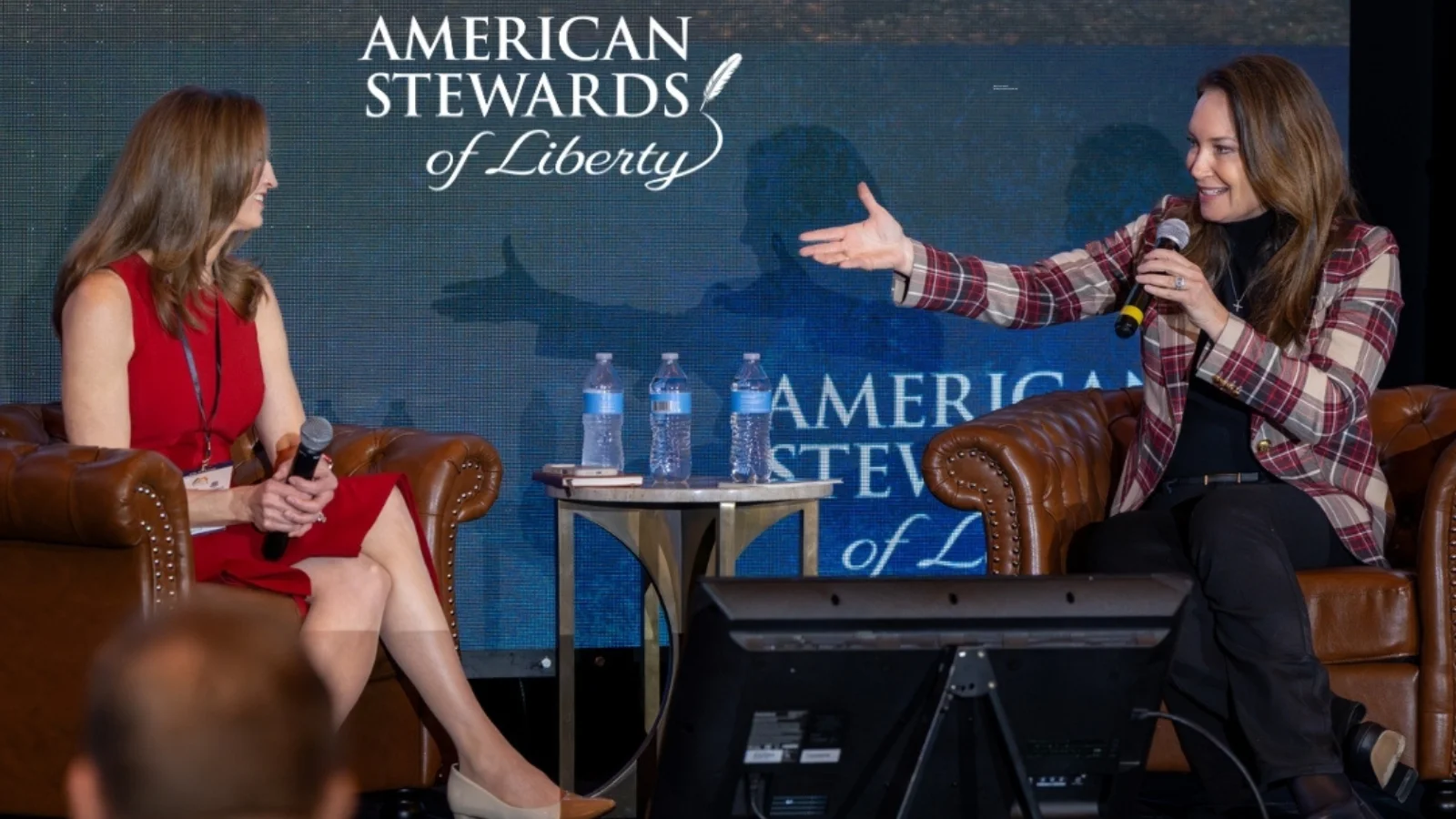
U.S. Secretary of Agriculture Brooke Rollins addressed property rights concerns during American Stewards of Liberty's 2026 conference.
-
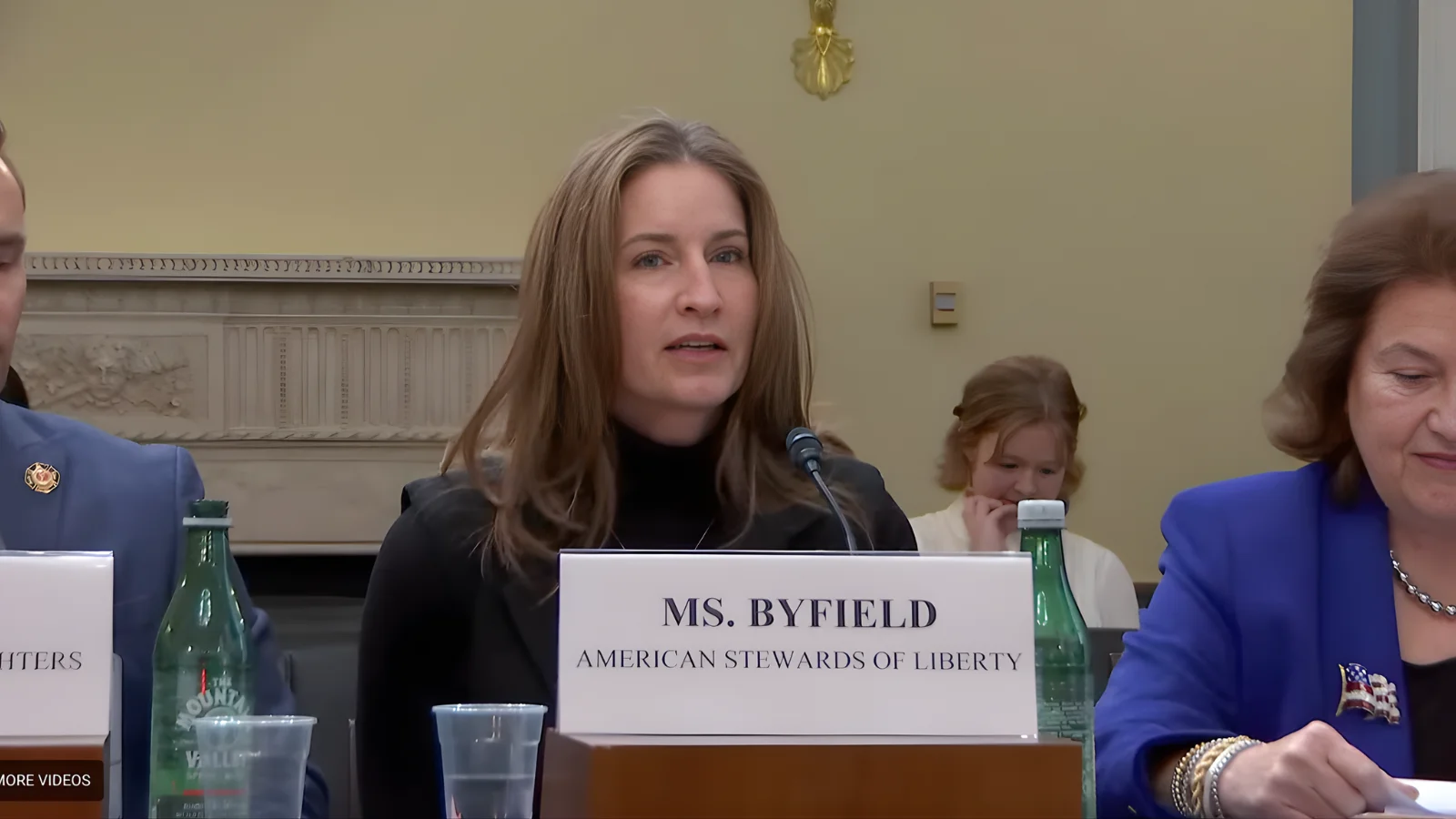
Margaret Byfield testified before Congress that tying Social Security funding to revenues from multiple-use federal lands could improve both program solvency and stewardship incentives.
-

Thirty years after its passage, Section 230 of the Communications Decency Act continues to shape the internet and virtually every company that operates on it. Critics argue the provision shields technology platforms from accountability, while others contend it protects free expression and innovation. The debate has implications for online safety, the advances of artificial intelligence, and methods for content moderation.
-

Every American generation inherits the question of how to manage our natural resources. Our debates about environmental policy swing between two approaches—environmentalism, which urges restriction, and conservation, which urges restraint.
-

American Stewards of Liberty has released a report on the ESA Amendment Act of 2025, which proposes specific changes to limit species listings and critical habitat designations.
-

Four decades ago, Congress directed federal agencies to coordinate their management of federal lands with the local governments directly impacted by their decisions.
-

The promise to America when the Endangered Species Act (ESA) was enacted in 1973 was that it would save animals, plants and insects that were thought to be in danger of extinction.
-

Regulations issued by the Council on Environmental Quality (CEQ) are being rescinded following a Trump Executive Order.
-

Cloaking as a conservation agenda, the Biden Administration has been working to lock-up 30 percent of America’s land, water and oceans by 2030.
-

The American Legislative Exchange Council (ALEC) advanced a model state bill regarding Natural Asset Companies (NAC) at their annual meeting.
-

Opposition to the federal government's planned expansion of the Muleshoe National Wildlife Refuge in Texas is increasing among landowners, community leaders, and elected officials. The U.S. Fish and Wildlife Service, in collaboration with the Texas Parks and Wildlife Department and the New Mexico Game and Fish Department, announced a plan in April to expand the refuge from 6,440 acres to 700,000 acres.
-

By striking down a 40-year-old legal precedent that allowed unelected and unaccountable federal bureaucrats to interpret ambiguously worded statutes as they see fit, the Supreme Court has restricted the administrative state that had become accustomed to operating without strict adherence to the Constitution’s Separation of Powers.
-

On July 9, 2024, the House Appropriations Committee, chaired by Rep. Tom Cole (R-Ok), approved the Interior and Environment Subcommittee Fiscal Year 2025 Appropriations Act with a party-line vote of 29-25.
-
In a win for America's farmers and landowners, House Agriculture Committee Chairman, G.T. Thompson has taken a stand against the ever-expanding agendas of environmentalists. By rejecting language in the Inflation Reduction Act (IRA) from the current draft of the 2024 Farm Bill, Thompson is maintaining the bill's focus on supporting agriculture rather than controlling it.
-

A group of 1,609 scientists, who have formed a group called CLINTEL, claim that the so-called climate emergency is a myth. An article by the American Stewards of Liberty from Aug. 31 said that the group has publicly stated that they are against the Biden administration's net-zero CO2 policies.
-
.webp)
A new international scheme is being launched in America based on the idea that intrinsic values in nature can be quantified and converted to become investment products.
-

U.S. Rep. Tom Tiffany (R-WI), chairman of the Subcommittee on Federal Lands, said he opposes President Joe Biden's 30x30 initiative, saying he instead supports a "sunset clause," which would mean the federal government shouldn't simply be able grab land that could be put to commercial use.
-

The Congressional Western Caucus said the 2023 Farm Bill should be focused on programs that work well and are proven effective – rather than siphoning funding and technical staff for unproven climate projects.