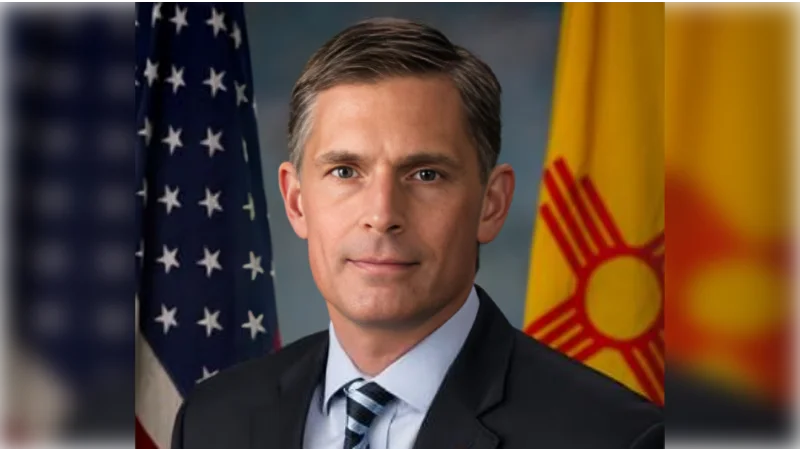
During a recent hearing of the Senate Energy and Natural Resources Committee, lawmakers and experts discussed how changes in federal law are affecting land use planning on public lands managed by the Bureau of Land Management (BLM). Senator Martin Heinrich (D-N.M.), the committee's Ranking Member, led questions about how Congressional actions are impacting resource management plans (RMPs) and public participation.
Heinrich asked Jim Kenna, retired California State Director for the BLM, about the importance of public involvement in developing land use plans. Kenna responded, “I think it's very important. And I would highlight the fact that planning processes, particularly if they're of any size or duration, create a record, and it's a public record, and that public record underpins all of the decision-making that happens in the plan. So it essentially is the balancing dialog around the FLPMA questions and so you can't sidestep that, and you need to make sure that the local knowledge is integrated, and not just the social preferences, those are very important, but also the -- where is the mule deer winter range? Where are the cultural resources and cultural properties? Where are the things that we care about? Where are the trails that get a lot of recreation, where all of those things are very local, right, and they're very specific.”
Heinrich questioned how recent use of the Congressional Review Act (CRA) interacts with this process. He noted there is no way for public input under CRA procedures. Kenna agreed: “Well, my concern is that it's the exact opposite. If you think about the perspective of the person who participated in a plan they just invested years to get to that kind of endpoint where everybody kind of got together and whatever the deal was, the deal was the deal. And now the Congressional Review Act has sort of taken a political process and put it over the top of that and vacated that.”
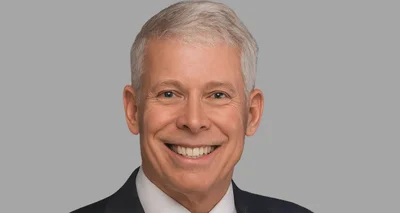
The discussion turned to consequences from Congress overturning RMPs using CRA authority. Heinrich explained one effect: after an RMP is overturned by Congress through CRA procedures, BLM cannot issue another plan for those areas if it is “substantially similar.” Greg Sheehan, President and CEO of Mule Deer Foundation confirmed this understanding: “Yes, I believe that's accurate.”
Sheehan added further explanation: “But if we, if we work under that premise, that a CRA pulls this plan back and that a new plan could not be substantially similar... But what it does do is you pull it back, is it reverts back to prior plan that's sitting there...”
Heinrich pointed out this could leave outdated plans in place—some up to 40 years old—which may not address current needs such as new technology or updated wildlife management practices. Sheehan acknowledged these concerns: “Yeah, absolutely. I... thought for a moment what happens over these 40 years... with new technologies... what do we know different about wildlife management...” He continued by expressing hope to avoid using CRAs when possible.
Senator Heinrich expressed concern over increased litigation due to vague definitions in statute regarding what constitutes a "substantially similar" plan: “I think one of the things that I'm concerned about is ... you could literally see every permit ... called into question because of some of these CRA activities.”
Turning attention to outdoor recreation's role in land use planning decisions, Heinrich cited recent data estimating outdoor recreation generates more than $350 million per day on public lands—surpassing logging and mining combined—and asked Adam Cramer from Outdoor Alliance whether land managers have sufficient information about recreational uses.
Cramer replied: “Great question... I think they know a lot because they're there... But like why not check? Why not double-check?... there's so much desire to be outside... And if we don't inventory where these places are or where they could be we're just leaving a ton on the table in terms of economic activity... Data about this stuff is very liberating...” He suggested making better use of available data sources.
Heinrich also raised concerns over recent policy changes giving oil and gas leasing preference over other uses on certain public lands. Before this change was enacted as part of budget legislation during summer 2025—the BLM had discretion to weigh oil-and-gas development against other potential uses before issuing leases; now parcels open for leasing must be offered automatically if allowed under an existing RMP.
Cramer commented on prioritizing certain uses above others: “Just setting things up for more conflict and slowing things down? You know... it's a composition of all these elements...” He argued for maintaining balance among competing interests when managing public lands.