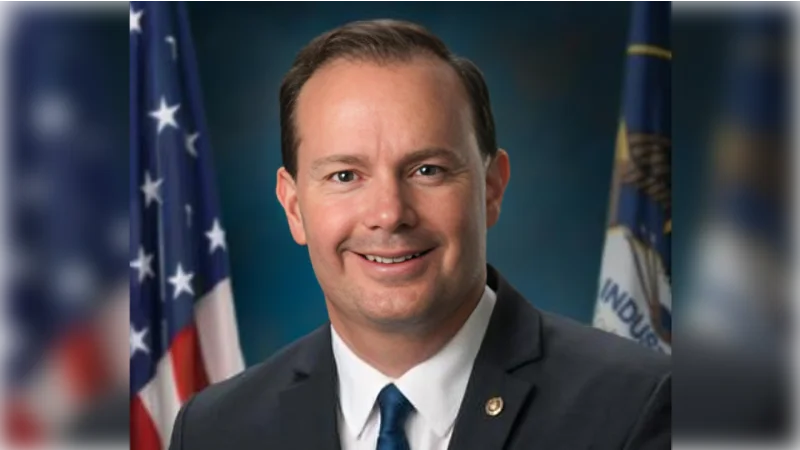
U.S. Senators Martin Heinrich (D-N.M.), Ranking Member of the Senate Energy and Natural Resources Committee, and Mike Lee (R-Utah), Chairman of the Committee, have expressed bipartisan support for a Department of Energy proposal that would require the Federal Energy Regulatory Commission (FERC) to address how new energy resources and large load centers are connected to the power grid.
The proposal, introduced by Secretary Chris Wright under Section 403 of the Department of Energy Organization Act, directs FERC to begin rule-making on large-load interconnections. The aim is to improve grid reliability and reduce costs as electricity demand in the United States reaches its highest levels in a decade.
“We’re facing an energy affordability crisis right now – we need more energy on our grid to meet our increasing demand and lower costs for working families,” said Heinrich. “FERC considering a rule that aims to improve large-load and new generation interconnections is a step in the right direction. We need to improve transmission planning and ensure that costs are allocated fairly so that households aren’t left covering the increased demand from large new energy users. I look forward to working with Chair Lee on all these issues to ensure that we shore up American made energy and costs come down for consumers.”
Lee added, “We are excited to work with FERC on the large load interconnection proposal submitted by Secretary Wright. Addressing this issue will be key to ensuring American energy dominance as well as enabling advancements in AI and the onshoring of key manufacturing industries. As FERC undertakes this proceeding, I encourage them to keep customer affordability at the forefront of the issue. FERC must also ensure that state authorities in electricity transmission and demand side interconnection are respected.”
Electricity prices have been rising faster than inflation recently, raising concerns about affordability for American families. The senators' letter highlights that managing industrial load growth should not place excessive financial burdens on households.
Both committee leaders indicated their readiness to support FERC’s efforts in strengthening grid infrastructure so it can meet current demands as well as future challenges.