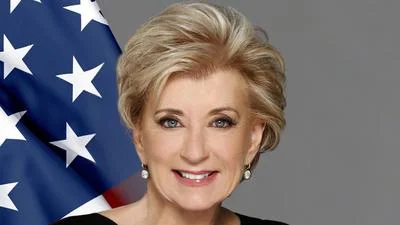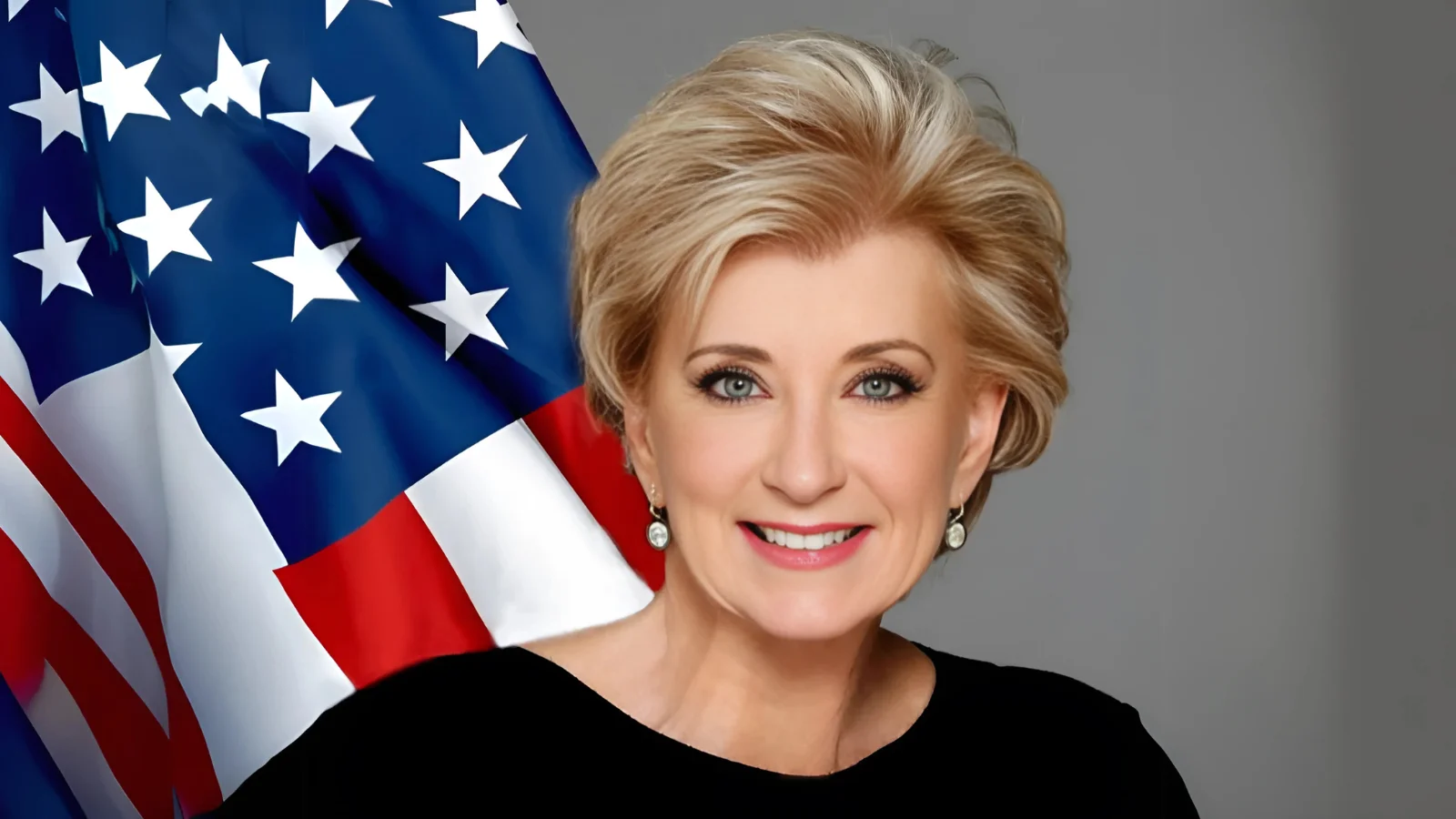
U.S. Secretary of Education Linda McMahon took part in a White House roundtable focused on concerns about ideological influences in American universities. The event, titled “Biased Professors, Woke Administrators, and the End of Free Inquiry on U.S. Campuses,” brought together university leaders, policy advocates, and think tank professionals to discuss the impact of Diversity, Equity, and Inclusion (DEI) policies and related administrative practices.
Secretary McMahon addressed how activist-driven ideologies have shaped university culture and administration. The discussion highlighted DEI initiatives and campus structures such as bias response teams that oversee student speech and thought. She also described efforts by the Department of Education to return higher education institutions to their traditional roles centered on truth-seeking, open inquiry, and academic rigor.
“It was an honor to be at the White House today with this dedicated coalition of students, faculty, institutional leaders, and policy advocates to highlight the issue of woke ideology and the capture of our institutions of higher education. DEI policies have turned universities from free marketplaces of ideas to purveyors of manufactured ideological conformity, chilling free speech and undermining academic rigor,” said U.S. Secretary of Education Linda McMahon. “We are committed to working with higher education leaders to reverse course from these decades of decline and create a golden age of academia – committed to reason, merit, and individual excellence.”
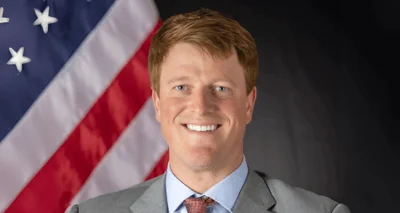
Participants included Matthew Spalding from Hillsdale College; Nicole Neily from Defending Education; Dr. Christopher Schorr from America First Policy Institute; Trevor Tobey from Rice University; Allie Coghan formerly at University of Wyoming; Brette Powell from the Office of Public Liaison; and Karalee Geis from the White House Office of Public Liaison.
In October 2025, the Trump Administration circulated a draft “Compact for Excellence in Higher Education” among several universities seeking feedback on reforms aimed at restoring public trust in postsecondary education funding by promoting rigorous research standards and accountability for taxpayer investments.
Earlier in November 2025, Secretary McMahon joined another White House roundtable titled “Administrative Bloat and Low-Value Programs: How U.S. Universities are Failing American Families and How They Can Reform.” That session examined college affordability issues—including proposals like graduate loan borrowing caps—as outlined in President Trump’s One Big Beautiful Bill Act.