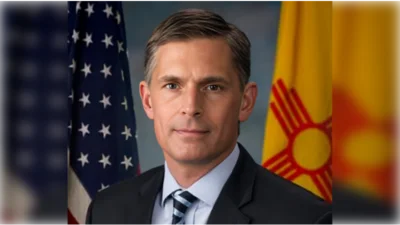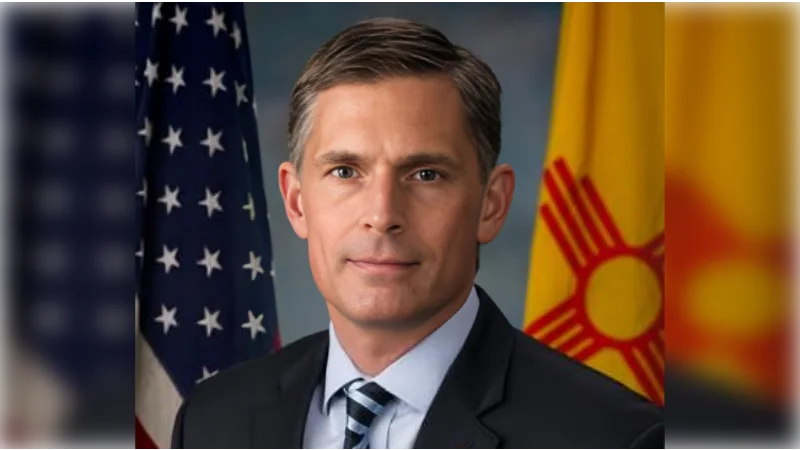
During a recent hearing of the U.S. Senate Energy and Natural Resources Public Lands, Forests, and Mining Subcommittee, Senator Martin Heinrich of New Mexico secured a commitment from U.S. Forest Service Acting Associate Chief Christopher French to hold a public forum in Pecos Valley regarding mining developments.
Senator Heinrich questioned the decision-making process that led to the reversal of an administrative withdrawal in the upper Pecos watershed. He asked French, “Mr. French, the Administration recently reversed a very popular administrative withdrawal in the upper Pecos watershed, despite overwhelming public support in that community for the withdrawal. Your agency even canceled a public forum that would have allowed for discussion with the, of the withdrawal and given the community a chance to share their views with the Forest Service. Would you commit to coming out to the Pecos Valley and meeting with that community and having a public meeting?”
French responded by agreeing to visit: “Yeah, thank you very much for the question, Senator. Of course, and we'll have a conversation around any of those issues. We know that the comments that we received on the withdrawal itself, overwhelmingly supported the withdrawal, but across the agency, the Administration's policy is to preserve the spaces we have right now for future development until such time that we understand what our current mineral development is across the Agency. So, it's more about a broader administrative administration policy around use of public lands and...”
Heinrich pressed further about local input: “Well, why not meet with local community before making a decision? I mean that's kind of way we typically do planning in these public land agencies is first you listen to community... We want these decisions to be rooted in local communities, and yet they seem to have been cut out of this process.”
French noted there had been opportunities for comment: “Yeah. Senator, as you're aware when this was first put proposed more than two years ago there was broad comment period on that so that we could understand what feelings community were. I'm not aware of any comments that oppose that withdrawal but that is in conflict with broader Administration's policy right now on use of public lands and supporting mineral and energy development.”
Heinrich highlighted his personal connection to mining communities but questioned whether other values are considered: “So my dad worked for Anaconda Copper my grandfather worked at Battle Mountain Gold Mine in Nevada. So I fully recognize there are many places in this country where mining can be done safely and with strong local support. I just don't think upper Pecos is one of those places. And I wonder can you tell us does Forest Service even consider values like recreation agricultural productivity or traditional uses when making decisions about where to permit new mining activity?”
French replied: “Of course we do. Yeah... there's difference between an administrative withdrawal versus when we actually get an expression of interest and we go through environmental process... In those cases we are looking at all various impacts whether they're economic social environment ... including uses such as recreation or cattle grazing.”
The discussion shifted toward changes regarding roadless areas protections under federal rules. Heinrich criticized how changes were made without significant public engagement: “You called Roadless Rule barrier. Do you know what sportsmen in New Mexico call roadless areas protected in our state?” When French said he did not know, Heinrich answered: “They call it elk habitat.”
Heinrich continued questioning how many meetings were held before proposing changes: “But how many public meetings did this Administration have before proposing overturning roadless rule?”
French explained: “The Administration has only proposed new approach on Roadless Rule ... general approach there is thinking about what are barriers to protecting communities from wildland fire risk...” He described limitations on treatments allowed within roadless areas.
Heinrich countered by pointing out existing fire prevention work already taking place within those areas.
French agreed but emphasized cost challenges related to treatment access.
The exchange concluded with Heinrich reiterating his position on involving affected residents early in federal land management decisions: “Once again I would just encourage you to have robust public process before making these decisions.”