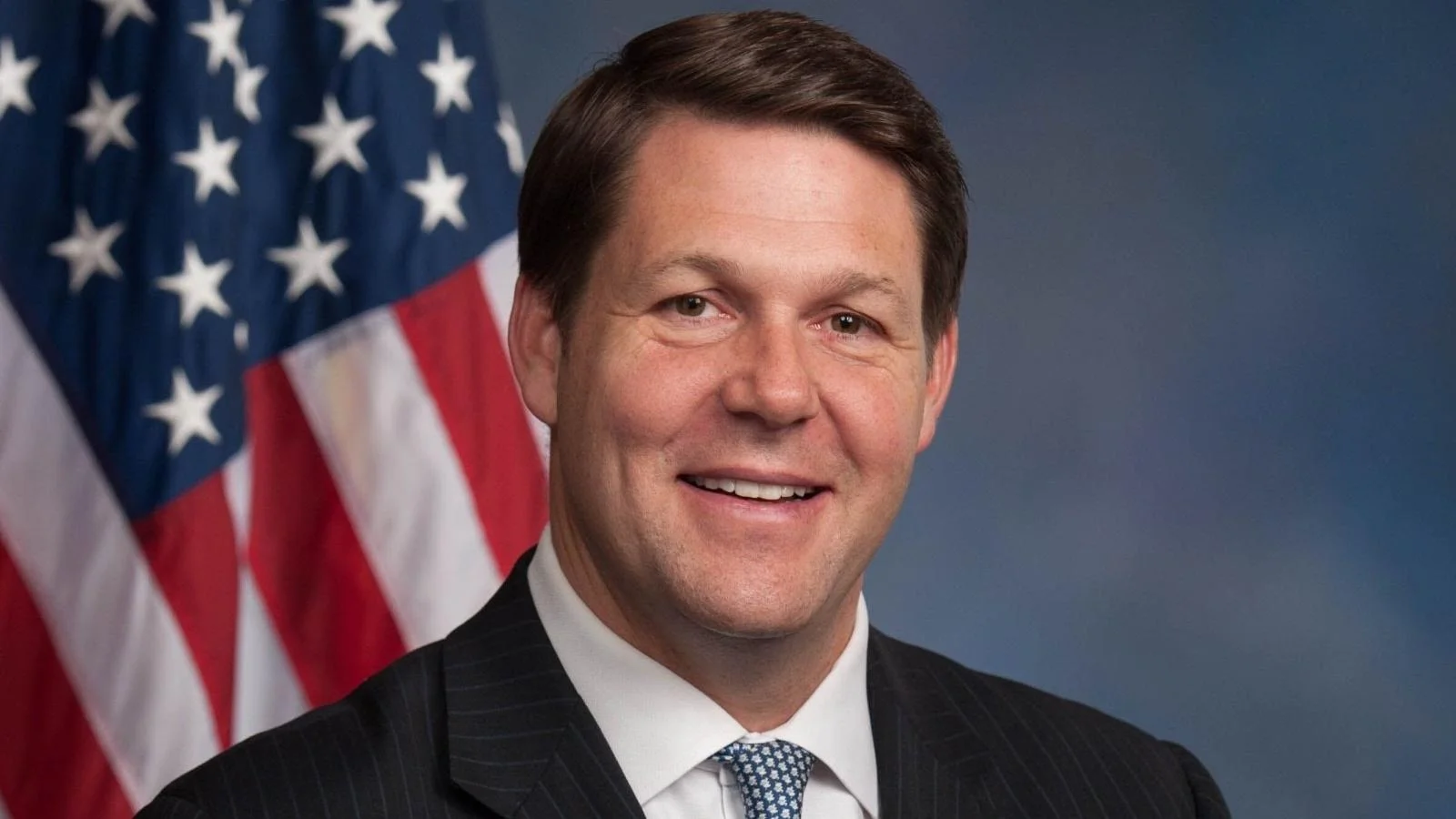
Chairman Jodey Arrington of the House Budget Committee appeared on Fox News Radio’s Guy Benson Show to discuss recent findings by the Government Accountability Office (GAO) regarding fraud in the Obamacare COVID subsidy program and to address potential reforms aimed at reducing health care costs.
During the interview, Arrington highlighted concerns raised by the GAO report. He stated, "Tens of thousands of Social Security numbers from dead people that are being used to get these subsidies. Sixty thousand, to be exact, from dead people." He further described how GAO investigators tested the system using fictitious information: "And the GAO did the secret shopper thing, right? They put in all this fictitious information. Some of it had false information. Some had incomplete. Some had no information. Over 90% of the time, it went through the process. Guy, there’s no checks in this thing. There’s no check for eligibility. There’s no program integrity—effectively none."
Arrington criticized how funds were managed during the pandemic period: "So, you talk about squandering billions of dollars on a COVID-era program that the Democrats couldn’t even make permanent when they had total control, you know, several years ago. In the midst of COVID, they couldn’t make it 10 years. Now they’re demanding it. If Republicans are so dumb — seriously — if we are so foolish and naive that we would extend this, they can never claim fiscal responsibility, number one. Number two, they’ll be acknowledging that it’s Obamacare that, in fact, is part of the affordability solution — that’s complete and utter BS, and it’s contrary to what we’ve been saying for over a decade."
The GAO report found widespread abuse within the subsidy program for health insurance under Obamacare during COVID-19 relief efforts. Imposters used fake identities and documents—including Social Security numbers belonging to deceased individuals—to secure subsidies intended for health coverage providers.
One example cited in both Arrington's remarks and supporting documentation involved a single Social Security number being linked to more than 125 different policies over a span exceeding seven decades.
On broader health care cost reform efforts in Congress, Arrington said: "And just to use one example of big reform that’s pretty easy to understand: we’re paying hospitals more — a lot more — for the same outpatient procedures that we pay physician groups, private doctors. And as a result of that, private doctors have to affiliate because they can’t compete anymore with hospitals. And if we just equalize the payments with hospitals and physician groups, we will not only stop the consolidation that’s only strengthening the monopoly forces that are eating away at affordability, but we would also save taxpayers, or bring down the deficit, by $150 billion. That’s just one."
He continued by pointing out other areas where changes could lead to savings or prevent market abuses: "There are good reforms in Medicare Advantage where they’re up-coding. There are good reforms that would prevent pharma from gaming the patent system so they have extended exclusive rights or monopoly power to jam us with — or gouge us with — big prices without competition." Arrington concluded his comments on reform efforts by warning about potential consequences if action is not taken: "And the sad part is: if we miss this moment — we miss this moment — then I think we are so close to the cliff of a single-payer system and having total government-run health care that that’s what we’re going to allow to happen if we fail to act."
The GAO's findings have drawn attention due to their implications for federal spending oversight and ongoing debates about health care policy.