A hearing was held by the House Committee on Homeland Security to discuss how hostile rhetoric against law enforcement is contributing to increased threats and attacks on officers. The session included testimony from Michael Hughes, executive director at the Federal Law Enforcement Officers Association; Jonathan Thompson, CEO of the National Sheriffs’ Association; Patrick Yoes, national president of the Fraternal Order of Police; and Daniel Hodges, a D.C. Metropolitan Police Department officer.
Witnesses spoke about how doxing and calls for violence against law enforcement have affected morale, operational security, and recruitment efforts. They emphasized that these challenges undermine public safety and hinder law enforcement’s homeland security mission. Both members of Congress and witnesses called for stronger support for law enforcement agencies at all levels as they address evolving threats.
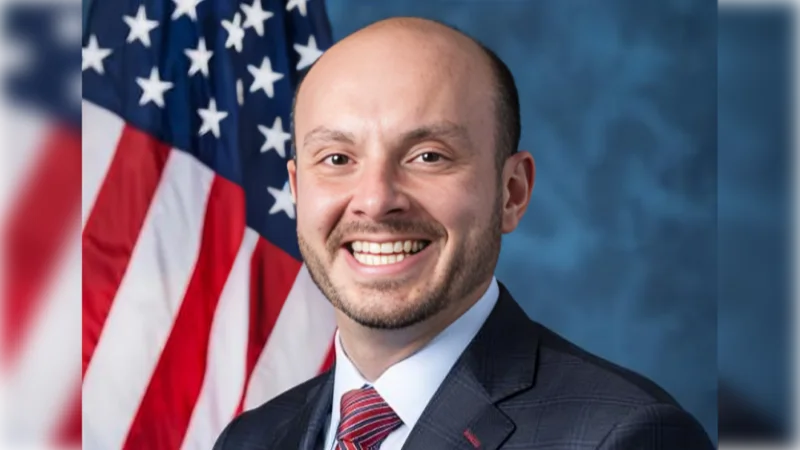
Committee Chairman Andrew R. Garbarino (R-NY) addressed the issue in his opening statement:
“Law enforcement officers work tirelessly on behalf of our communities and the situations they face on a daily basis take a heavy toll on their mental health even in the best of times. In this current environment of increased hostility and violence, those challenges are amplified. Ensuring our officers have the resources and support they need to protect their personal wellbeing has been a longstanding priority for me and many of my colleagues on this committee.”
“When inflammatory rhetoric leads to actions that endanger officers’ lives, we enter dangerous territory. Rising hostility erodes morale, fuels burnout, and hinders recruitment and retention for law enforcement. Ultimately that weakens public safety and national security harming the very communities activists claim to defend.”
“Freedom of speech is a cornerstone of our democracy, but the line between criticism and outright incitement is growing thinner, and too often that line is being crossed. Our law enforcement officers play an essential role in upholding the rule of law, protecting national security, supporting our state and local partners, and keeping the American public safe. Yet when anyone seeks to portray law enforcement as enemies of the people, it signals that something is terribly wrong.”
Subcommittee leaders questioned witnesses about statements from elected officials regarding federal agencies such as ICE—citing remarks comparing them to Nazi Germany or Gestapo tactics—and asked if such language increases risks for officers.
Patrick Yoes responded: “Absolutely, these and more. And I will say that you don’t get to throw fuel on a fire and curse the very flames that you create.”
The discussion also addressed balancing First Amendment rights with efforts to identify those inciting violence online.
Michael Hughes stated: “What we need to be doing is looking at the social media issues. I think that’s a huge part of what’s going on, and looking at what laws need to be passed, about what the right balance is, and that’s what this body can and should be working on as well to help in that arena.”
On doxing concerns:
“Doxing, as we know, has become a huge problem, and is one of the reasons that the face coverings are being used now. It really has opened up a lot of law enforcements and their families to threats, and that is a problem.”
“Besides doxing, we use face coverings just for operational purposes...for protection,” Hughes added.
Hughes further described how anti-law-enforcement sentiment affects families:
“What do we say when we’re thanked for things? Usually I’m just doing my job...And when we get anti-law-enforcement rhetoric fueling violence—that’s unacceptable.”
“And I think we could all agree...that any anti–law enforcement rhetoric should be bad because we are...enforcing laws...and executing our duties...” he said.
Thompson highlighted changes in criminal activity involving cartels:
“Crime in this country has changed...The cartels have more money...[and] interest in doing what they do...I think we all need to recognize...we have to do things differently....We need a greater sense of urgency on cybersecurity.”
He also noted potential challenges ahead with new task forces targeting gang activity.
Social media's role was repeatedly cited as amplifying misinformation about police work:
“What is really alarming…is normalization…of this anti-rhetoric…We see social media…putting out information not necessarily true…and it makes violence against police seem normal,” Hughes said.
Recruitment difficulties were discussed by Yoes:
“We have a retention & recruiting problem because…the best recruiters…are [current] law enforcement officers who recognize somebody within [their] community…” He added it now takes years before new hires become effective officers due partly to negative perceptions driven by rhetoric.
Rep. Gabe Evans shared his own experience losing colleagues killed after being targeted due in part to anti-police sentiment from political leaders:
“I was a cop for 10 years…Gordon Beesley…was assassinated by an individual who was radicalized against law enforcement by anti-police rhetoric from elected leaders…”
Yoes concluded: “We’re human beings.…So when you compound all this together…it makes our job more difficult….We lose more officers every year by their own hands than …to police action….When we damage someone in protection [of] communities,…we have …a responsibility to fix them.”