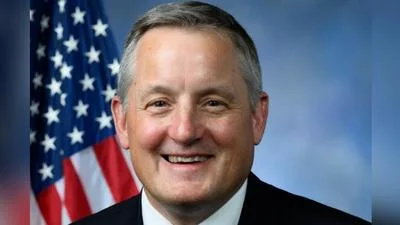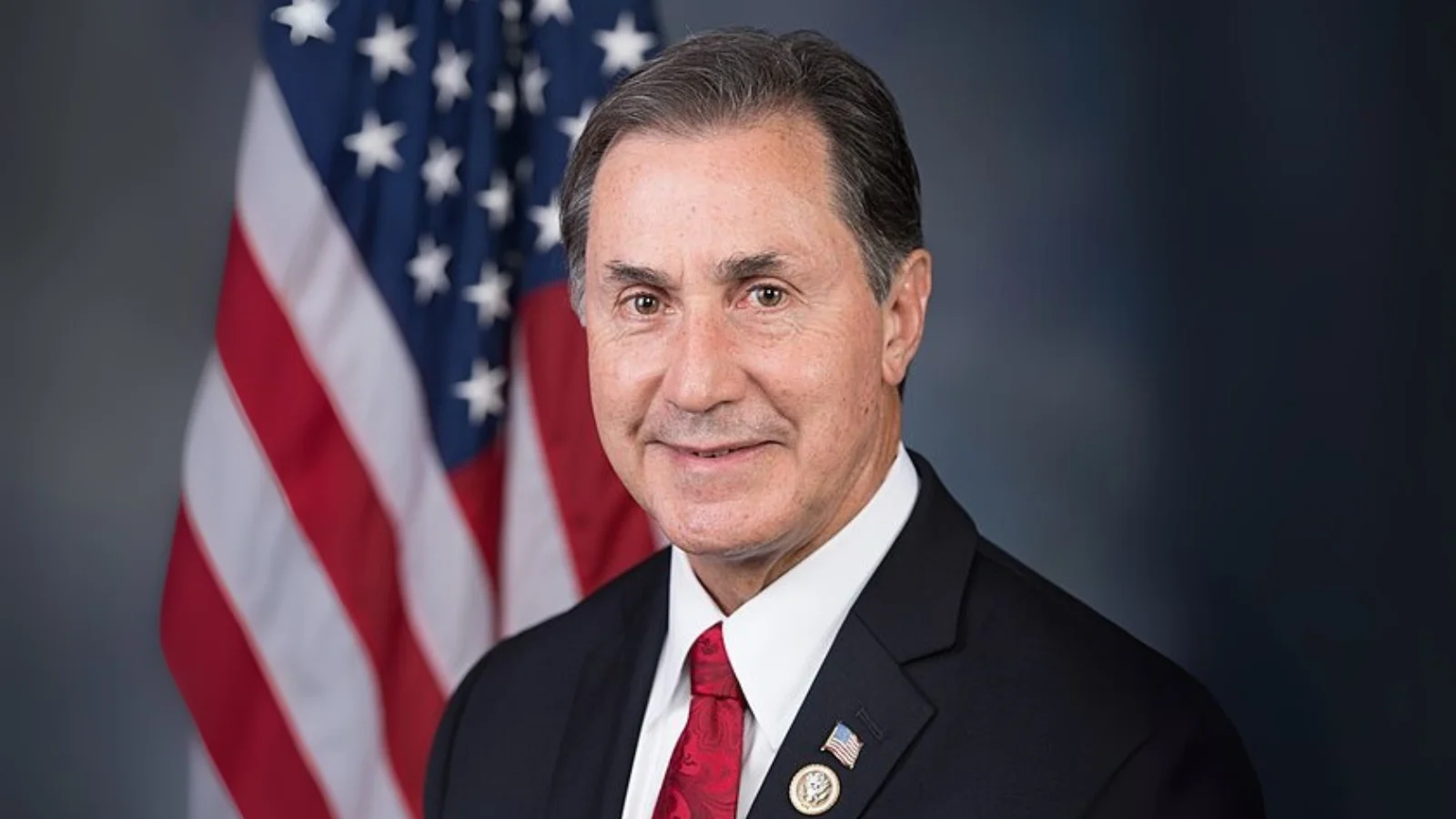
Congressman Gary Palmer, who chairs the Subcommittee on Environment, delivered an opening statement at a markup session in Washington, D.C., where seven bills aimed at reforming aspects of the Clean Air Act were discussed.
Palmer began by noting the significance of the Clean Air Act since its inception but pointed out that it has not been significantly amended since 1990. He argued that updates are needed to address current economic and security challenges.
He stated, “No one questions that the Clean Air Act has been important in helping to improve air quality since the law was first enacted more than half a century ago. However, the law has not been significantly amended since 1990 and has not kept pace to meet the economic and security risks facing this country.”
The proposed legislation seeks to adjust how National Ambient Air Quality Standards are set and implemented. It also aims to streamline environmental reviews and pre-construction permitting under existing regulations.
Palmer highlighted concerns raised during subcommittee hearings about recent air quality standards for fine particulate matter and ozone. He referenced testimony indicating these standards could hinder economic growth because they are close to natural background levels, making compliance difficult for states and industries. Additionally, he mentioned concerns that state compliance decisions should not be affected by pollution from wildfires or sources outside U.S. borders.
He continued, “We also heard testimony from top state environmental regulators that several of the deadlines in the Clean Air Act are impossible for EPA and states to implement. For example, several witnesses said it would make sense to extend the timeframe for reviewing air quality standards from every five years, as it is in current law, to every 10 years.”
According to Palmer, there were also reports that current permitting rules can delay or prevent construction of manufacturing and energy projects necessary for maintaining competitiveness with countries like China.
The seven bills under consideration include:
- H.R. 6409 (FENCES), clarifying foreign pollution’s exclusion when assessing state compliance;
- H.R. 4218 (CLEAR Act), improving processes related to air quality standards;
- H.R. 4214 (Clean Air and Building Infrastructure Improvement Act), specifying permit requirements concerning new air standards;
- H.R. 161 (New Source Review Permitting Improvement Act), defining which facility changes trigger permitting;
- H.R. 6373 (Air Permitting Improvements to Protect National Security Act), allowing presidential waivers on emissions offsets for critical facilities;
- H.R. 6398 (RED Tape Act), streamlining environmental review processes.
Palmer concluded: “The passage of these bills will go a long way toward improving our infrastructure and making permitting more predictable and cost-effective. Some of these bills include ideas that we have considered in previous years, but some of them offer creative solutions based on feedback we have received.”
He encouraged support from his colleagues before yielding back his time.