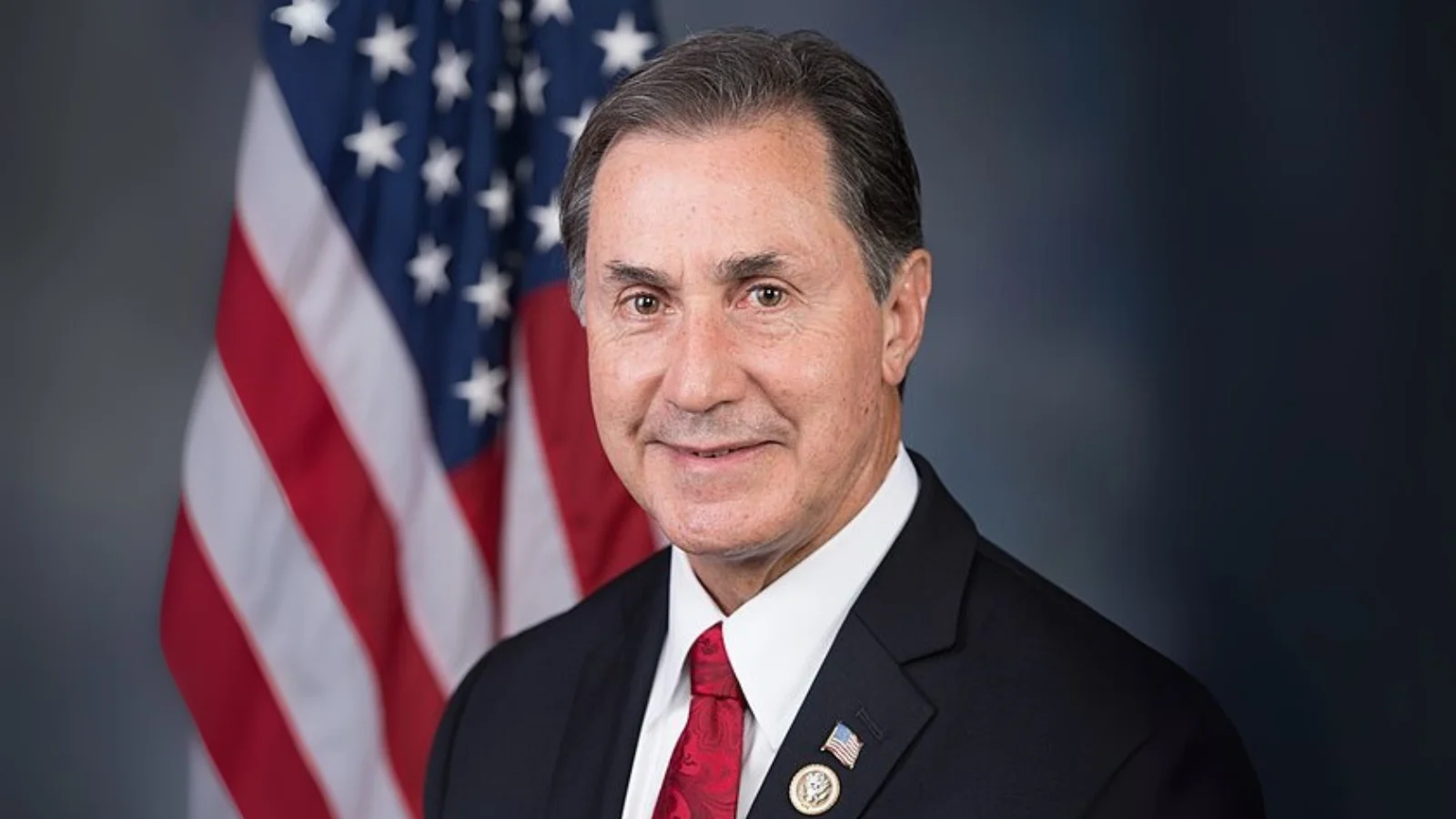
Several bills aimed at reforming the permitting process under the Clean Air Act were advanced by the House Subcommittee on Environment, chaired by Congressman Gary Palmer (AL-06). The markup session in Washington, D.C., resulted in seven pieces of legislation being reported to the full committee, each focused on updating aspects of the Clean Air Act that have not seen significant amendments since 1990.
Chairman Palmer stated, “No one questions that the Clean Air Act has been important in helping to improve air quality since the law was first enacted more than half a century ago. However, the law has not been significantly amended since 1990 and has not kept pace to meet the economic and security risks facing this country. The commonsense permitting reforms contained in these seven bills are needed to improve the Clean Air Act so the United States can continue to be the world leader in economic prosperity, technological innovation, and environmental quality.”
The legislative vote summary is as follows:
- H.R. 6409, Foreign Emissions and Nonattainment Clarification for Economic Stability (FENCES) Act: Reported by a vote of 14 Yeas to 11 Nays.
- H.R. 4218, Clean Air and Economic Advancement Reform (CLEAR) Act: Reported by a vote of 14 Yeas to 10 Nays.
- H.R. 6387, Fire Improvement and Reforming Exceptional Events (FIRE) Act: Reported by a vote of 13 Yeas to 10 Nays.
- H.R. 4214, Clean Air and Building Infrastructure Improvement Act: Reported by a vote of 12 Yeas to 10 Nays.
- H.R. 161, New Source Review Permitting Improvement Act: Reported by a vote of 12 Yeas to 11 Nays.
- H.R. 6373, Air Permitting Improvements to Protect National Security Act: Reported by a vote of 12 Yeas to 10 Nays.
- H.R. 6398, Reducing and Eliminating Duplicative Environmental Regulations (RED Tape) Act: Reported by a vote of 12 Yeas to 10 Nays.
During discussions on these bills, several members provided statements highlighting their perspectives.
Congressman Buddy Carter (GA-01), discussing H.R.4218 said: “This is not about choosing between the environment and development. This is about common sense. We should not penalize states that are impacted by events out of their control, and they should not be penalized for taking action to prevent exceptional events. Georgia is a top state for business in America. It has been for 12 years. Even with our growth, Georgia's air has never been cleaner since monitoring began years ago. As our witnesses stated in legislative hearing we had on this bill, if we give our state officials the time they truly need to implement regulations, while also ensuring that they are not punished for background levels from natural sources, we can have lasting, meaningful policy and economic growth.”
Congressman August Pfluger (TX-11), speaking about H.R.6409 remarked: “Back home in my district in the Permian Basin, we saw this play out recently when the Biden EPA floated a possible non-attainment designation that created real uncertainty. Even the hint of non-attainment sends a signal that permits could slow down, costs could rise, and long-term planning becomes harder for producers and communities alike at no fault of their own. That experience made it clear that these designations are too consequential to get wrong. Local communities should not be burdened by regulatory consequences tied to emissions that come from foreign sources or unavoidable natural events. The FENCES Act levels the playing field, sets the table for fairness, and it's about giving states regulatory certainty. It's about keeping American industries competitive while still upholding environmental standards.”
Congressman John Joyce (PA-13), addressing H.R.6398 noted: “This bill eliminates the requirement for the EPA to conduct a duplicative review and publicly comment on other agencies Environmental Impact Statements. This legislation keeps in place the initial environmental review required for federal projects and regulations under NEPA. It simply eliminates a bureaucratic and redundant secondary review that only serves to further delay the permitting and construction of critical projects. In order for America to remain competitive in the global economy, we must take steps to ensure timely and predictable outcomes for any new projects or regulations.”
The proposed reforms reflect ongoing efforts within Congress to address environmental regulation through updates intended both to streamline processes affecting businesses nationwide as well as maintain existing protections under federal law.