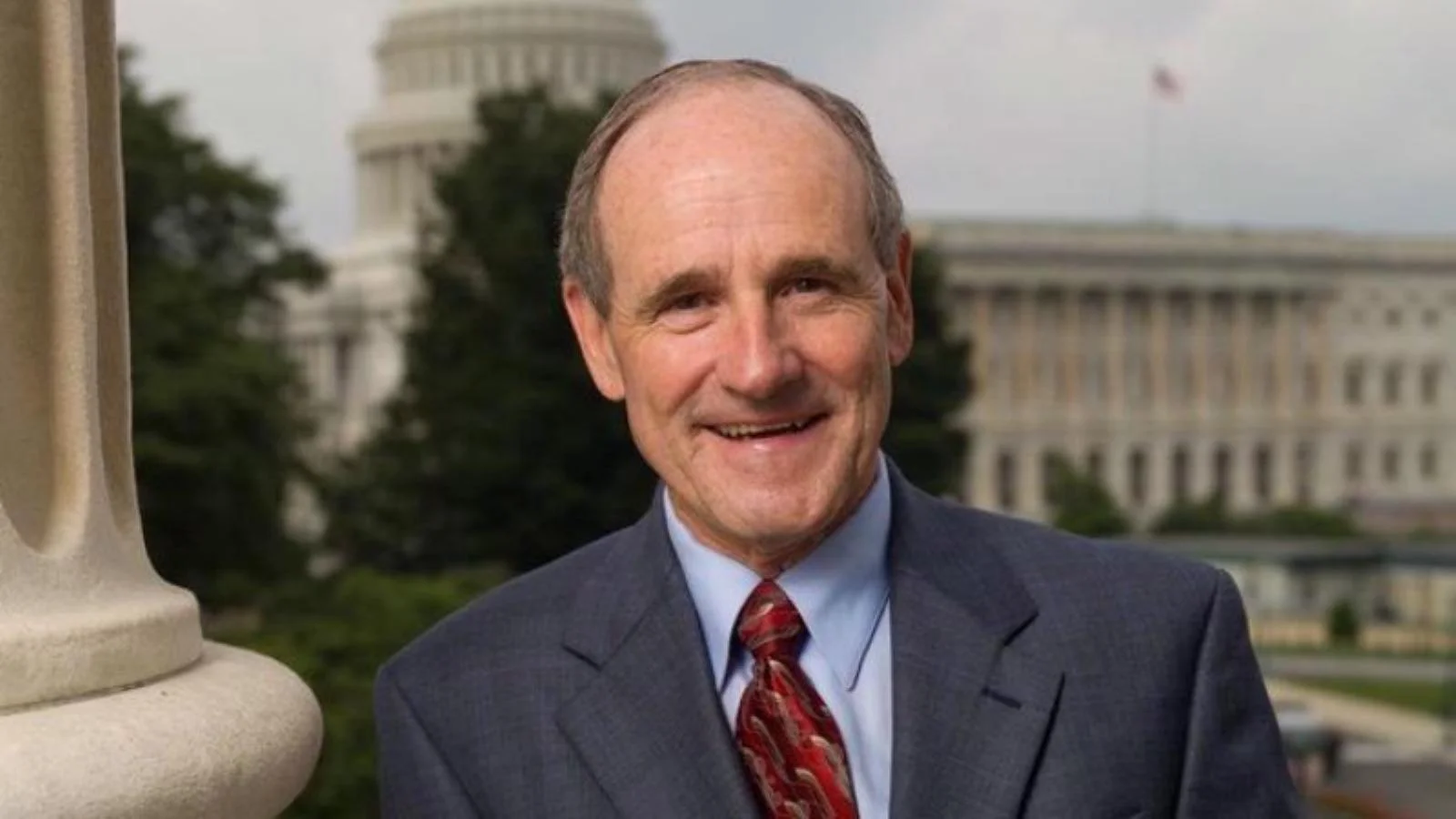
U.S. Senator Jim Risch, chairman of the Senate Foreign Relations Committee, delivered opening remarks at a committee hearing titled “Arms Race 2.0” on December 10, 2025. The hearing featured testimony from Marshall Billingslea, former Presidential Envoy for arms control, and Rose Gottemoeller, former undersecretary of State for arms control and international security.
In his statement, Risch emphasized the rising nuclear threats faced by the United States. He stated: “America is currently experiencing an unprecedented increase in the nuclear threat posed by our adversaries around the world.”
Risch highlighted concerns about Russia and China as peer nuclear powers, while also mentioning additional risks from countries like North Korea and Iran. He noted: “For the first time in our history, we face two peer nuclear powers in both Russia and China, but also threats from multiple smaller and unstable nuclear powers, like North Korea, and aspiring nuclear powers, like Iran.”
He criticized Russia’s approach to arms control agreements: “For years, Russia has consistently failed to comply with nuclear agreements and instead uses arms control talks to constrain U.S. policy towards Russia and pursue concessions on issues far beyond just nuclear weapons.” He added that Russia had used this strategy with previous U.S. administrations.
Regarding China’s military development, Risch said: “Meanwhile, China is in the midst of a dramatic nuclear buildup and has the fastest-growing nuclear arsenal of any nuclear-armed state. And while China races to nuclear parity with the U.S., it shows little to no interest in arms control talks.”
He also discussed recent actions concerning Iran: “Fortunately, President Trump took action to destroy Iranian nuclear facilities earlier this year. By doing so, he prevented a dangerous, ideologically driven Islamic autocracy from acquiring a nuclear weapon that could threaten the U.S., Israel, and others around the world.”
Addressing North Korea’s ongoing weapons program and its ties with Russia amid the conflict in Ukraine was another focus point: “Kim Jong-Un has repeatedly rejected talks on denuclearization even as he pursues a full-scale expansion of North Korean nuclear strike capabilities. More concerningly...Russia is likely providing technical expertise on advanced space and military capabilities that will boost North Korea’s nuclear ambitions.”
Risch referenced findings from an official commission stating: “we are in a ‘decisive decade’ in regard to our nuclear future.” He argued that existing Cold War-era arms control structures are no longer effective.
He concluded by calling for modernization efforts: “To counter China, we must modernize and rebuild our nuclear arsenal. For far too long, underinvestment in our nuclear triad has only created greater insecurity. It is time we modernize the triad and re-establish a strong credible deterrent.”
Witness testimony from Billingslea and Gottemoeller was made available online through foreign.senate.gov.