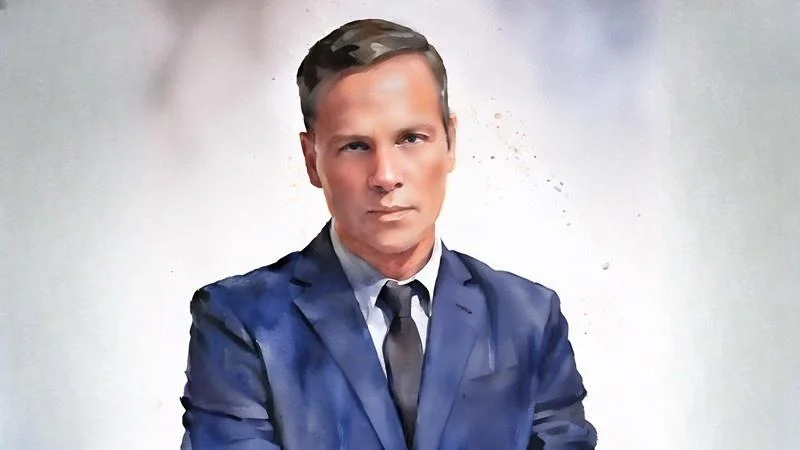
Western governments are facing a fentanyl crisis, soaring housing costs, and rising foreign interference without seeing how these threats connect. Canada feels those pressures through drug deaths, money-laundering scandals, and concerns about Chinese Communist Party influence.
Sam Cooper, an investigative journalist and author of Willful Blindness, says Chinese state actors, triad bosses, and Mexican cartels use a “Vancouver model” of money laundering that ties casino cash, real estate, and political power into one network.
Cooper runs an independent outlet, The Bureau, where he reports on Chinese state operations, transnational crime, and election interference. His investigations reveal how wealthy gamblers from China used British Columbia casinos to move illicit money offshore. “You make a deal with the gangster in the parking lot outside a casino,” he says. “He gives you literally $500,000, a million in fentanyl cash.” The gambler launders the money at the tables and repays the loan inside China. “So that’s the Vancouver model.”
According to Cooper, a public inquiry later confirmed volumes of suspicious cash flowing through these casinos. He says the practice connected drug traffickers, Chinese officials, and powerful intermediaries. He describes photos showing “a Chinese military figure standing beside consulate officials… and convicted traffickers,” which convinced him the scheme extended far beyond ordinary organized crime. “It was a Chinese state operation working together with what’s called a network of the world’s leading triad bosses,” he says.
Cooper says government sources with access to classified information reached similar conclusions. He recounts one Canadian politician’s private conversation with U.S. Secretary of State Antony Blinken. According to that account, Blinken said the U.S. government believes “the CCP, the Mexican cartels and the triads are working together and they want to deal fentanyl into North America to destabilize our society.”
As Cooper broke more stories, the pressure intensified. He says powerful figures attempted to undermine his reporting, and national security officials later warned him of threats tied to his work on China. Critics accused him of racism, but Cooper says those attacks often echoed messaging strategies used to suppress scrutiny of Chinese influence. “My work was exposing how transnational repression is victimizing Asian diasporas in North America,” he says. “The types of people that raise these concerns are smeared as racist.”
His reporting also expanded into political interference. Cooper uncovered clandestine transfers from Chinese consulates to Canadian politicians routed through underground casino operators and community proxies. He says underground casino networks in Vancouver and Toronto were used to “cultivate… donate to… [and] surround Western politicians,” creating a pipeline from illicit cash to political influence. He sees similar patterns in Australia and other democracies facing United Front operations.
The fentanyl crisis gives his findings even greater urgency. He argues that the same networks moving drug cash through casinos also move the chemicals and traffickers who flood North America with fentanyl. He believes Canada and the United States must treat the criminal, financial, and political components as one strategic threat. “We can never be separated, even if we’re having political squabbles,” he says. “We, I believe, will at some point maybe need to defend this hemisphere.”
Cooper continues his investigations at The Bureau and urges North Americans to confront how deeply these networks are embedded. “Let’s get our ducks in a row,” he says, before the consequences spread further.