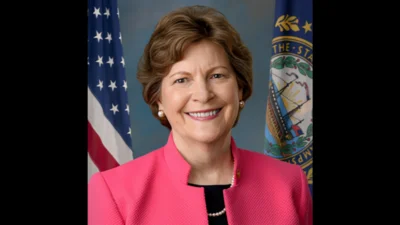
Congressman Brett Guthrie, Chairman of the House Committee on Energy and Commerce, testified before the Committee on Rules regarding H.R. 6703, known as the Lower Health Care Premiums for All Americans Act.
In his opening statement, Guthrie addressed the impact of the Affordable Care Act (Obamacare), stating that it has not fulfilled its original promises. He said, "Sixteen years ago, Democrats passed Obamacare and fundamentally changed how health care is offered in the United States. Democrats sold the bill by promising the American people that Obamacare would reduce health care costs, preserve plan choice, and lower premiums for the American people."
Guthrie argued that since its passage, health care spending has increased and options have decreased. He noted that premiums in the marketplace have risen by 80 percent and deductibles now average $5,000 with out-of-pocket maximums over $20,000. "All the while, Obamacare policies redirected trillions in taxpayer dollars to big health insurance plans," he said.
He criticized temporary subsidies introduced during COVID-19 to help offset premium costs. According to Guthrie, these enhanced subsidies were intended to mask unaffordability but were passed without Republican support and are set to expire at year’s end. He questioned why Democrats did not make these subsidies permanent if they were essential.
Guthrie also pointed out other legislative priorities taken up by Democrats instead of making these credits permanent: "In that same legislation...they chose to prioritize tax credits for the wealthy to buy electric vehicles and sent $27 billion dollars to Democrats’ politically connected friends through the Greenhouse Gas Reduction slush Fund (including $2 billion to a group that only had $100 in previous revenue), instead of making these enhanced tax credits permanent."
He expressed concern about waste and fraud associated with these temporary credits and accused Democrats of shifting blame rather than addressing affordability issues directly.
Despite criticism of past approaches, Guthrie emphasized bipartisan elements within H.R. 6703: "The bill includes bipartisan policies that would finally take the first steps to hold drug industry middlemen, pharmacy benefit managers, accountable to their own customers: the American people." He added that appropriating funds for Cost Sharing Reductions could reduce ACA premiums by 11 percent—a greater savings than extending current subsidies—and highlighted previous bipartisan support for this policy.
Guthrie concluded with a call for cooperation: "I hope that we can work across the aisle to support this commonsense bill that would—without a doubt—increase health care affordability for all Americans."