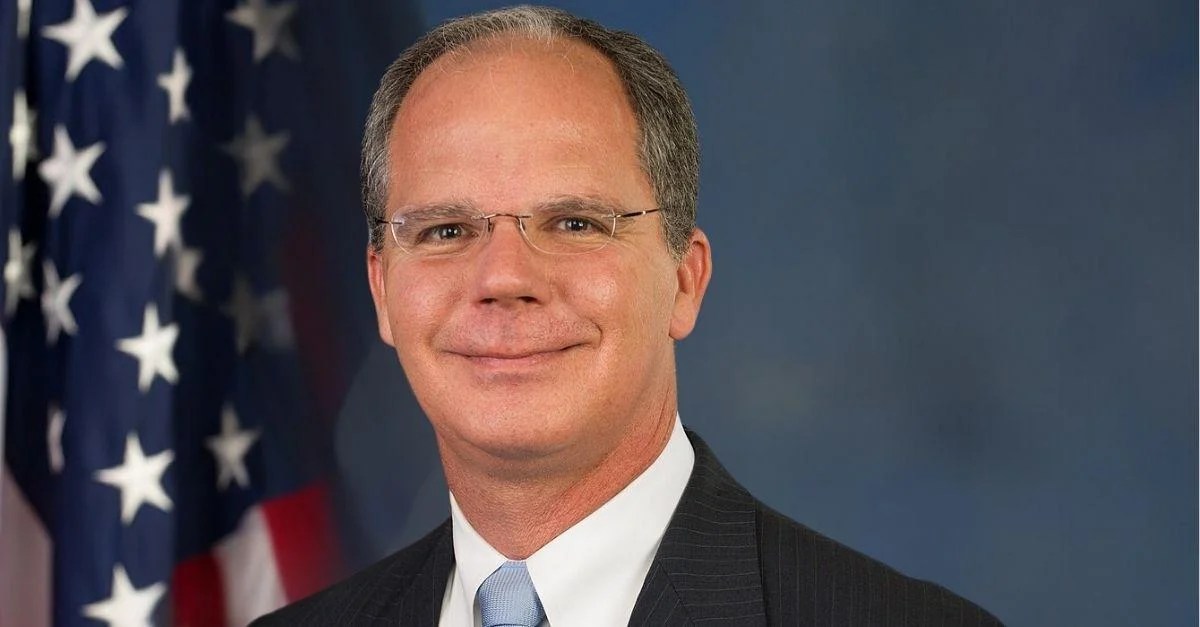
Congressman John Joyce, M.D. (PA-13), who serves as Chairman of the Subcommittee on Oversight and Investigations, led a hearing in Washington, D.C., focusing on biosecurity issues that arise at the intersection of artificial intelligence (AI) and biology.
During his opening remarks, Chairman Joyce discussed both the potential benefits and risks associated with AI-enabled biotechnology. He stated, "As a physician, I must acknowledge the extraordinary promise that AI-enabled biotechnology holds for patient care. AI is accelerating drug discovery, improving protein modeling, and enabling the development of therapies with unprecedented precision." He also noted steps taken by the Trump Administration to address these advancements but emphasized ongoing concerns: "The federal government must continue to carefully assess whether our current safeguards and reporting systems are adequate in an era of rapidly advancing AI technology."
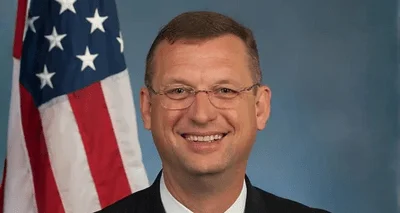
Congressman Dan Crenshaw (TX-02) addressed the positive uses of AI in managing biosecurity threats. He asked about how AI could assist industry leaders and researchers in identifying such risks. Mr. McKnight responded by highlighting how biodesign tools can be repurposed: "The same way the biodesign tools that we're talking about can create new proteins and give lessons on how to create new medicines, those same tools can be turned around. [...] They can be turned around to automate the process of interpreting a sample that you're looking at, and then the development roadmap that is funded through these programs is to use AI to go from sequence detection to what the function is."
Congressman Russ Fulcher (ID-01) referenced an executive order issued by President Trump in May concerning gene synthesis. He questioned which parts of this order would most effectively address emerging threats. Dr. Pannu replied: "There are a couple of things in that I would want to highlight: the gene synthesis provisions do call on Congress to proceed with a legislative effort to make gene synthesis screening mandatory across the U.S., that's something that Congress could advance. The other provisions on clearly defining what is dangerous gain of function research, those policies have yet to be released from the Office of Science and Technology Policy, so Congress could ask for an update as to those, and where they currently stand."
Congresswoman Diana Harshbarger (TN-01) raised questions about early warning indicators for detecting misuse involving AI-enabled biological threats. Mr. McKnight explained some technological developments underway: "We have a set of tools that we are constantly developing with cutting edge machine learning AI to analyze that DNA to tell you what’s in it, what different types of pathogens, are there new things that you haven’t seen? And one of the very specific tools that we work on that was developed in conjunction with IARPA […] is a tool that actually looks and algorithmically scores to identify if something has been genetically engineered or not."
The hearing highlighted both progress made through recent policy initiatives as well as ongoing gaps related to legislative oversight and technological capability regarding biosecurity at this intersection.