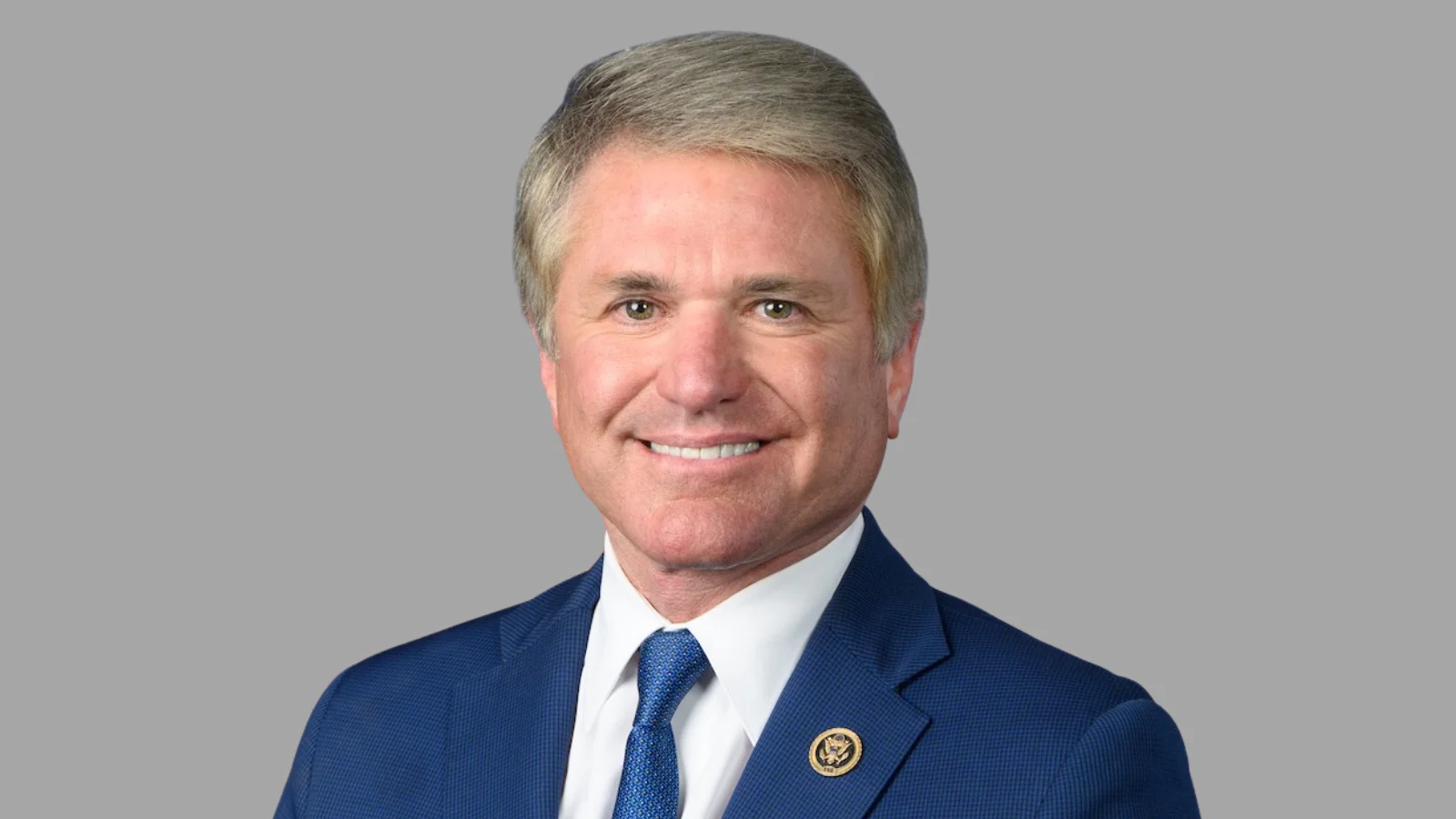
House Committee on Homeland Security Vice Chairman Michael McCaul (R-TX), who also chairs the bipartisan Task Force on Enhancing Security for Special Events in the United States, delivered an opening statement at a hearing focused on preventing human trafficking at major upcoming events. These include the FIFA World Cup and America’s 250th anniversary, both scheduled for 2026, as well as the Los Angeles Olympics in 2028.
McCaul noted that this was the third hearing of the task force and emphasized its role in evaluating threats to large gatherings. He said, “This task force provides us a unique opportunity to evaluate the range of threats facing upcoming mass gathering events — most immediately the FIFA World Cup and America’s 250th Anniversary in the summer of 2026.”
The committee has reviewed past security incidents and worked with federal law enforcement agencies to address emerging concerns such as drone activity. The task force’s legislative efforts have resulted in measures targeting adversarial drones being included in recent defense legislation passed by the House.
Addressing human trafficking linked to these events is a key priority for the task force. McCaul stated, “When we first established this task force, Ranking Member Pou and I agreed that human trafficking associated with these events would be among the challenges we addressed.”
He highlighted current estimates indicating that around 27.6 million people are trafficked worldwide—77 percent in forced labor and 23 percent in sex trafficking—with men and boys comprising 57 percent of victims.
McCaul discussed previous legislative work he led to combat human trafficking, including authorizing DHS’s Blue Campaign and requiring tracking of visa applications by suspected traffickers. He added, “In 2020, I led legislation requiring the U.S. Department of State to track and report when and where traffickers applied for U.S. visas and were denied. This bill also extended the U.S. Advisory Council on Human Trafficking through 2025, ensuring survivors continue to have a platform to advise the President’s Interagency Task Force on policies to combat trafficking.”
Survivor input remains vital according to McCaul: “While much about this crime remains hidden, the experiences of survivors must inform our response.” He recognized Courtney Litvak from the advisory council for her advocacy.
The hearing also underscored collaboration beyond law enforcement with groups like hotel staff, event organizers, transportation personnel, venue security, industry partners, and advocacy organizations playing important roles in identifying signs of exploitation.
“Training and coordination must extend beyond law enforcement to include hotel staff, venue security, event organizers, transportation personnel, and other frontline workers,” McCaul said. “These individuals are often the first to identify signs of trafficking.”
He concluded by emphasizing collective responsibility: “Today’s hearing is an important step in preparing our nation for the scale of what lies ahead. It is our responsibility to ensure these historic events are remembered not only for their celebration of international coordination and pride but for our commitment to protecting the ideals this nation was founded upon.”