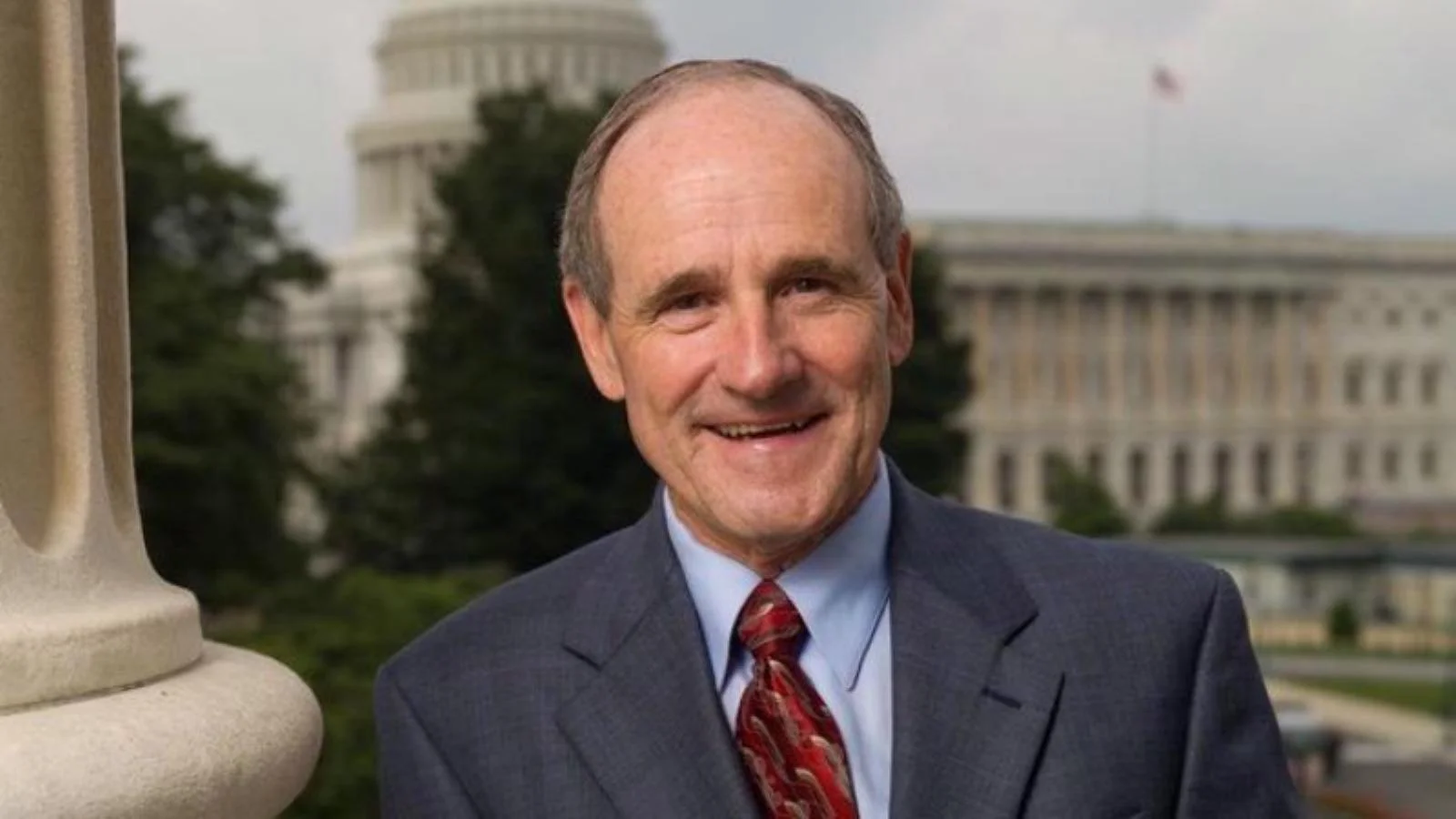
U.S. Senator Jim Risch, chairman of the Senate Foreign Relations Committee, opened a committee hearing on U.S. policy towards Venezuela by commending the recent U.S. operation that led to the extradition of Nicolas Maduro. The hearing featured testimony from Secretary Rubio.
Risch began his remarks by acknowledging those involved in the operation, stating: “I’d like to start this hearing on the Venezuela situation by recognizing the brave men and women who participated in this operation. The intelligence gathering, planning, and execution were incredible. Only the U.S. could pull this mission off, and that’s only because of the dedication and professionalism of each and every one of our servicemembers. As we know, much of their work is done in secret, but I do hope these people will receive the accolades they so rightfully deserve.”
He also recognized leadership at both executive and departmental levels: “I also want to acknowledge the leadership President Trump and you have shown, Secretary Rubio. It is no easy job keeping drugs and narcoterrorists off our streets and keeping Americans safe. Thank you for extraditing Nicolas Maduro and bringing him to account for his many crimes against the American people.”
Risch highlighted what he described as positive outcomes from recent actions: “Let me reiterate a point that I have made many times on the Senate floor: President Trump’s actions against narcoterrorists and his capture of Maduro have made America safer. Every American should be thanking Donald Trump and Marco Rubio for what they have done.”
He further commented on efforts to curb drug trafficking: “There are a lot of Americans today who wouldn’t be alive if not for your commitment and dedication to stemming the flow of drugs into our country.”
The senator explained that these actions were limited in nature: “These actions were limited in scope, short in duration, and done to protect U.S. interests and citizens. What President Trump has done in Venezuela is the definition of the president’s Article II constitutional authorities as Commander-in-Chief. And wholly consistent with other president’s efforts, what they have done, and actions they have taken to protect the American people from threats in our own hemisphere.”
Drawing historical parallels, Risch noted: “In fact, President George H.W. Bush authorized similar—but much broader and more extensive—military operations to arrest and bring Panama’s Manuel Noriega to the United States to stand trial for drug-related charges. In that case, President Bush deployed more than 9,000 troops into Panama for more than a month. At the time, all leaders of the Senate, including democrats, praised that move.”
Comparing recent events with past military operations he added: “Unlike in Panama, President Trump authorized a much more limited military action in Venezuela with only about 200 troops inside the country for a couple of hours, and a firefight that lasted less than 27 minutes. With no loss of life on the U.S. side, but significant causalities on the other side. This military action was incredibly brief, targeted, and successful.”
Risch addressed ongoing challenges related to drug trafficking: “When bad guys are in the business of flooding drugs into the United States—drugs that kill our children, hurt our country, violate U.S. laws, and destabilize our hemisphere—then they’ll have to be held to answer for those actions and that’s what’s being done now.”
He discussed international recognition issues surrounding Venezuelan leadership: “Maduro was not recognized as the legitimate leader of Venezuela, by President Trump or even by President Biden or by most of the international community. It is a service to the world that this illegitimate leader is no longer in power.”
Risch stated there are new opportunities ahead for U.S.-Venezuela relations: “Now, the United States has a tremendous opportunity before us in Venezuela.” He acknowledged some confusion about future plans but expressed confidence after discussions with Secretary Rubio.
On economic implications he said: “Venezuela’s natural resources have frequently been used to bolster the economy of our adversaries—especially China. Through President Trump’s action we have effectively cut off that supply giving United States tremendous leverage.” He also addressed concerns about prolonged foreign engagements.
Looking forward Risch remarked: “With Nicolas Maduro out of power United States has opportunity to better protect America by bringing stability to Venezuela... The Venezuelan people are not strangers to these concepts [democracy free markets human rights]... They have you [Secretary Rubio]and President Trump thank for giving them another chance.”
He concluded with hopes for future democratic elections under possible oversight: “It is all our hope that Venezuelan people will soon be able hold free fair elections... To get there Venezuela may require U.S.and international oversight ensure these elections are indeed free fair unlike their most recent elections.”
The full witness testimony can be accessed at foreign.senate.gov.