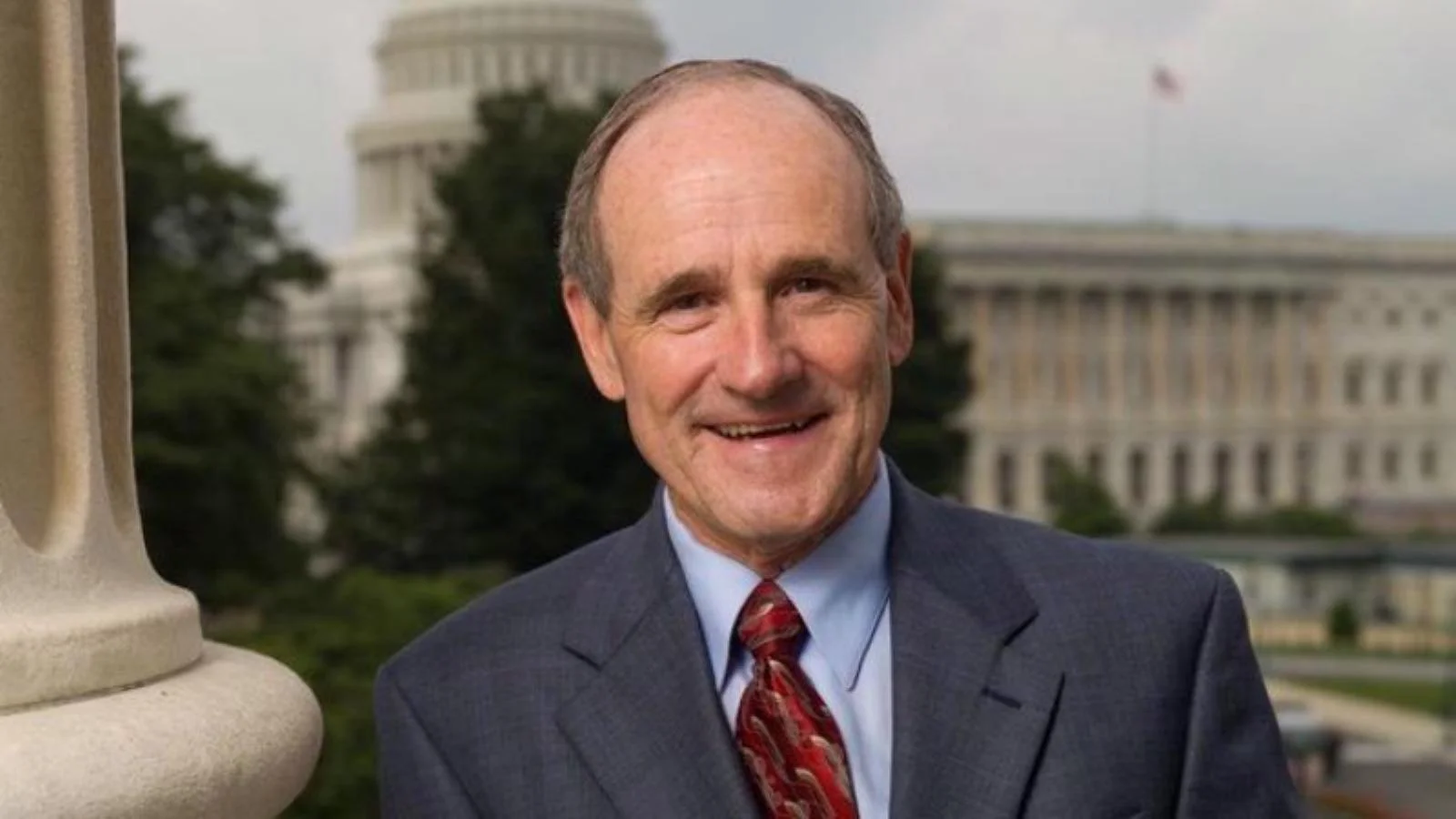
U.S. Senator Jim Risch, chairman of the Senate Foreign Relations Committee, has outlined several priorities included in the Fiscal Year 2026 National Defense Authorization Act (NDAA). The Senate Foreign Relations Committee is responsible for shaping U.S. foreign policy by examining treaties and legislation, and has played a significant role in historic decisions such as supporting the Truman Doctrine and Marshall Plan, as well as rejecting the Treaty of Versailles. More about the committee’s role can be found on its official website.
On State Department reauthorization, Risch stated: “Continuing to reauthorize the State Department on an annual basis ensures the Department remains accountable to taxpayers, adaptable in the face of modern-day challenges, and equipped to execute a foreign policy that delivers results for the American people. The Senate Foreign Relations Committee has for many years passed crucial State Department reauthorization bills, and this year is no different, exercising congressional oversight over the State Department, streamlining its operations, and enabling capabilities critical for the U.S. to remain competitive in the 21st century.”
Regarding Development Finance Corporation (DFC) reauthorization, he said: “The reauthorization of DFC will sustain and empower the critical work of the organization and give it the tools to more effectively counter China, secure American interests, and protect economic freedom. The DFC plays an essential role in promoting private sector-led economic growth and advancing American interests abroad and is key to President Trump’s America First agenda.”
Addressing nuclear energy policy with The International Nuclear Energy Act, Risch commented: “If the U.S. doesn’t lead on nuclear energy development, Russia and China will. This bill will give us the tools we need to compete with these authoritarian aggressors and build long-lasting nuclear energy deals that benefit our economy and ensure America remains the leader on nuclear energy for generations to come.”
On efforts against fentanyl trafficking through The BUST FENTANYL Act, he stated: “With the support of the Chinese government, China remains the single greatest source of fentanyl and synthetic opioid precursors to Mexican cartels. These opioids then come across our southern border and kill over 100,000 Americans every year. This needs to end, and the perpetrators need to be held accountable,” adding that “The BUST FENTANYL Act will leverage the economic might of the United States against these criminals in China to make them think twice before importing drugs that harm our communities.”
Discussing wrongful detention issues with The Countering Wrongful Detention Act, Risch said: “President Trump is working to restore America as a leader on the world stage and ensure we are respected around the globe. The Countering Wrongful Detention Act, which codifies Executive Order 14348 as signed by President Trump, will add firepower to his efforts by hitting countries that wrongfully detain American citizens with strong repercussions, including the potential of sanctions. We stand with those Americans who were and are wrongfully detained, and we will work to ensure that they are freed and that no other American has to endure this injustice again.”
Finally addressing Syria policy changes with repeal of previous legislation: “After long and serious consideration, we have worked closely with the Trump Administration to responsibly repeal the Caesar Act, which played an important role in the fall of the Assad Regime. This unconditional repeal removes a significant roadblock to U.S. and international commercial investments in Syria. It also increases reporting and monitoring on benchmarks such as ethnic and religious persecution to ensure Syria remains on the path to becoming a U.S. partner that makes America safer, stronger, and more prosperous.”
The Senate Foreign Relations Committee was established in 1816 as one of Congress’s original standing committees according to its official history. Its chairman leads majority members while its ranking member heads minority members; more information can be found here. As a legislative body focused on international relations within government structures as described officially, it continues its influence through measures like those described by Chairman Risch.