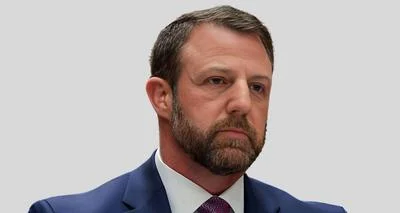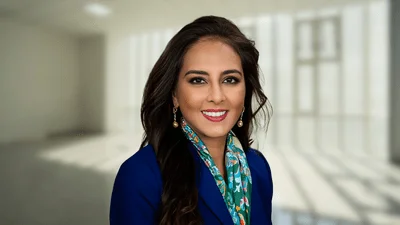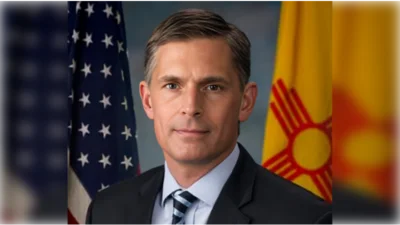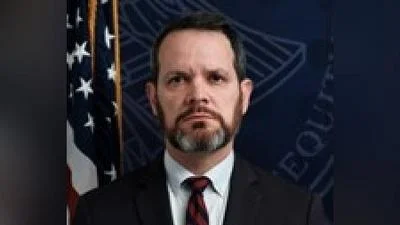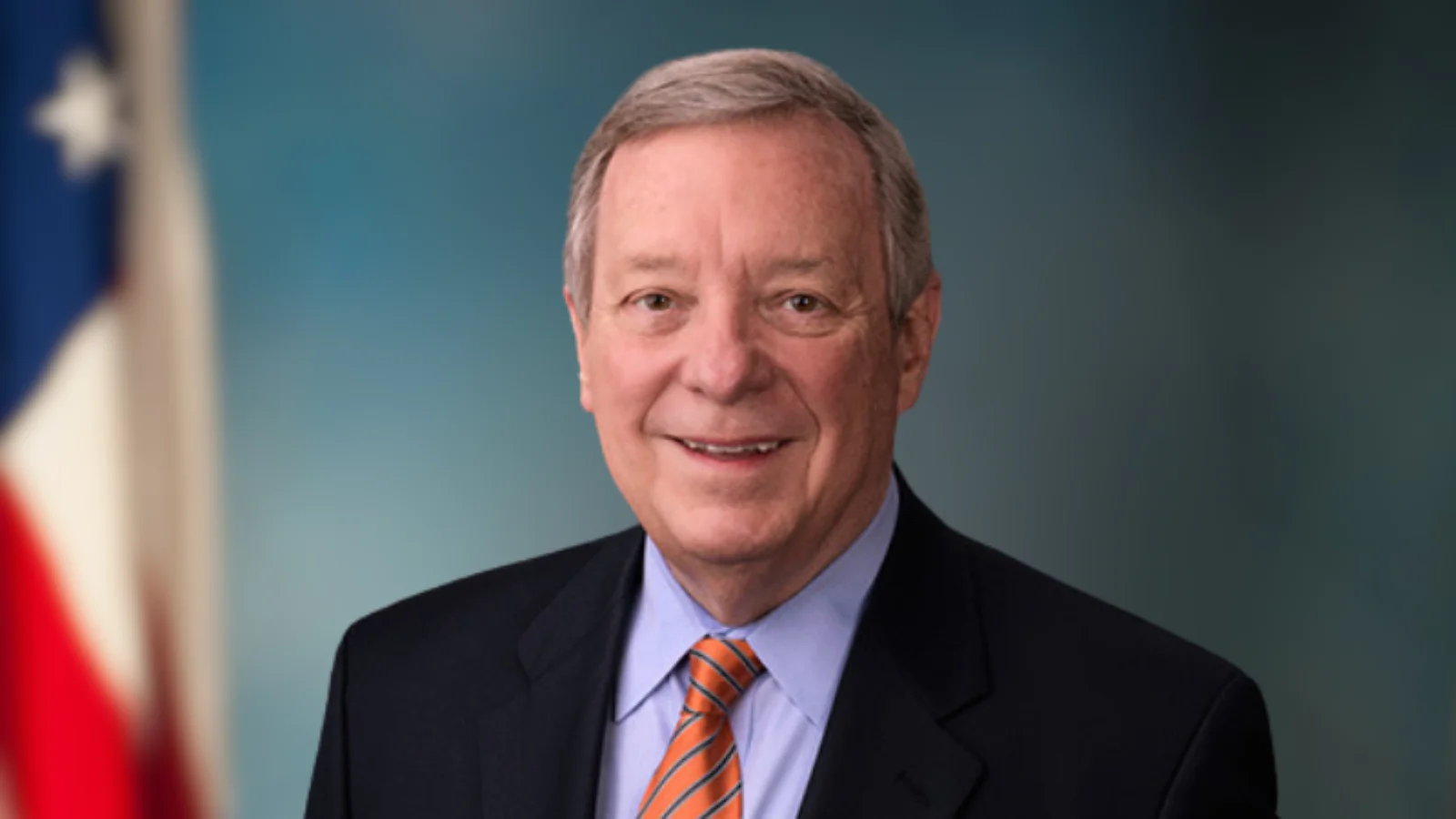
U.S. Senate Democratic Whip Dick Durbin, the Ranking Member of the Senate Judiciary Committee, questioned several judicial nominees during a committee hearing in Washington. The session focused on topics including immigration policy, tobacco litigation, gun laws, and issues of discrimination.
Durbin began by questioning Justin Ross Olson, nominee to the U.S District Court for the Southern District of Indiana, about his previous pro bono work assisting individuals seeking status under the Deferred Action for Childhood Arrivals (DACA) program.
“What was your impression of those clients?” Durbin asked.
“Those clients were good people, and I was happy to help them,” Mr. Olson responded.
“Did you have any question as to whether they had an aspiration to be part of the future of the United States?” Durbin asked.
“Based on the legal work that I did for them, I assumed that was the case. I didn't know them on a personal level, but I think that's a fair assumption to make,” Mr. Olson replied.
“I have been involved in this [DACA] for a while. [Over the last] 24 years, I introduced the Dream Act that led to DACA under President Obama. There are still some 800,000 [people] out there protected by DACA who are in question as to their future disposition. If a case came before you considering the legality or constitutionality of DACA, what would you do?” Durbin asked.
Mr. Olson responded that he “will apply all applicable law to that question and uphold the rights of the individuals who come before me.”
Durbin also asked if Olson would recuse himself from cases involving DACA recipients; Olson said he would consider it on a case-by-case basis.
Earlier this month, Durbin and Senator Lisa Murkowski introduced new legislation called the Dream Act of 2025. The bill is designed to allow certain noncitizens brought to the United States as children who meet specific criteria—such as education or military service—to earn lawful permanent residence.
The hearing continued with questions for Brian Charles Lea, nominee to the U.S. District Court for the Western District of Tennessee. Durbin addressed Lea’s previous representation of R.J. Reynolds in product liability cases related to tobacco use and cancer claims.
“As you sit before us today, can you acknowledge that cigarettes and other products made by tobacco companies can—and do—cause cancer?” Durbin asked.
Mr. Lea responded, “yes, Senator.”
Durbin then discussed Lea’s involvement in legal challenges against Georgia’s campus gun laws between 2017 and 2022. In one such case representing college professors opposing guns on campus grounds, Lea wrote briefs describing how these laws affected educators’ professional activities and classroom discussions.
“Did that [case] color your judgment as to the Second Amendment rights individuals have?” Durbin asked.
Mr. Lea responded that his work was based on state law rather than constitutional grounds: “It was a state law right. There was no connection. Obviously, I would faithfully apply any binding precedent involving the Constitution.”
When questioned about whether his experience influenced his reaction to a recent incident at Brown University involving gun violence, Mr. Lea stated: “No, that was obviously a tragedy… I kept my legal position and view separate from acknowledging the clear tragedy of Brown.”
Durbin also questioned Daniel Edward Burrows—nominated for Assistant Attorney General for the Office of Legal Policy—about racist language used in leaked text messages among young Republican leaders from Kansas Young Republicans chapter members William Hendrix and Alex Dwyer.
“Do you know, or have you worked with them [Mr. Hednrix or Mr. Dwyer]?” Durbin asked.
Mr. Burrows responded that he believed Mr. Hendrix was hired when he worked at the Kansas Attorney General’s office and confirmed knowing him.
“What is your reaction to the quotes?” Durbin asked.
Mr. Burrows said: “it is problematic… I reject any racism, division of people by characteristics immutable, religion, anything like that. I think that they were right to fire him.”
The Senate Judiciary Committee reviews legislation related to criminal justice and civil liberties while evaluating judicial nominations and overseeing federal agencies according to its official website. As a standing committee within Congress based in Washington D.C., it influences constitutional protections and public safety nationwide through legislative duties and oversight responsibilities (source).
Video footage from this hearing is available online.