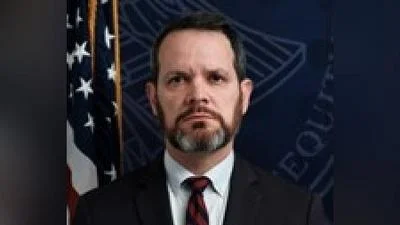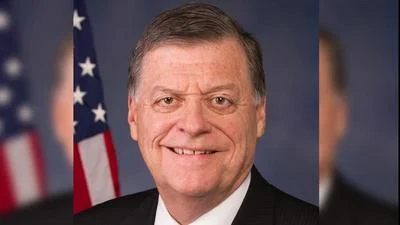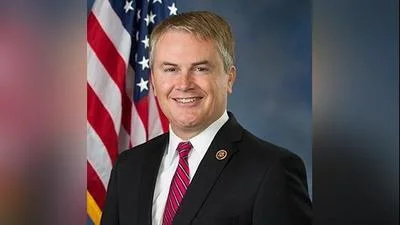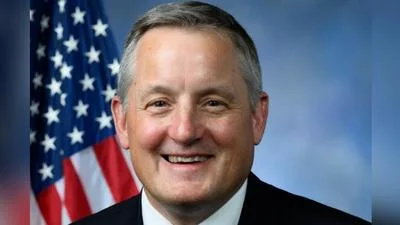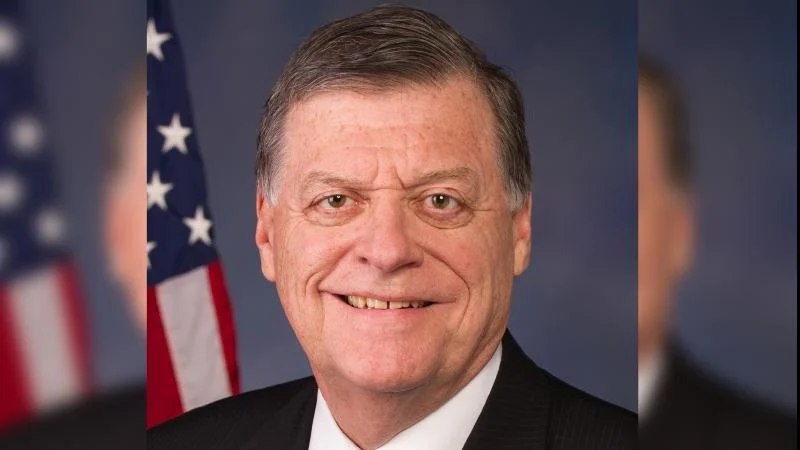
A bipartisan delegation from the House Appropriations Committee, led by Vice Chair Mario Díaz-Balart (R-FL), recently traveled to Nigeria to assess security threats and religious persecution. The visit followed President Trump’s redesignation of Nigeria as a Country of Particular Concern (CPC), which has drawn renewed attention to anti-Christian violence in the country.
Committee members, including Representatives Scott Franklin (R-FL), Juan Ciscomani (R-AZ), and Riley Moore (R-WV), met with Nigerian victims, government officials, faith groups, and local organizations. These meetings informed recommendations for the White House on how to protect civilians, support stability, safeguard religious liberty, and counter terrorist networks.
During a briefing at the U.S. Embassy in Nigeria, officials discussed escalating violence in the Middle Belt region and highlighted that President Trump’s CPC designation increased pressure on Nigerian authorities to address attacks against Christians. The embassy emphasized improving police recruitment and deployment as well as enhancing counterterrorism operations targeting radical Islamic groups.
The delegation visited Benue State—an area experiencing high levels of violence against Christians—and spoke with Reverend Father Dr. Hyacinth Alia, Governor of Benue State. Lawmakers expressed concern over mass casualty events and displacement driven by ongoing conflict. They also discussed early warning systems and security reforms while hearing reports about Chinese Communist Party-backed mining networks collaborating with armed groups to clear Christian communities for resource extraction.
Josephine Habba, Director General of the Benue State Commission for Peace and Reconciliation, described efforts to build cooperation among communities and authorities but noted government accountability failures have contributed to further violence. Over 500,000 people have been displaced since 2024 due to insecurity.
Religious leaders such as Bishop Wilfred Anagbe, Bishop Isaac Dugu, and His Royal Highness James Ayatse stated: “Nigeria is the most dangerous nation on Earth to follow Christ.” They reported targeted attacks by Fulani militants on churches and Christian communities: “Fulani militant and bandit groups are seizing land and resources... obstructing religious freedom... destroyed entire communities... sowing fear.”
At a roundtable organized by Bishop Anagbe with faith leaders from Benue State, participants said that President Trump’s CPC announcement prompted significant political will within Nigeria: “The designation renewed the Nigerian government’s attention...” They called for continued U.S. diplomatic engagement to end violence by jihadist groups like ISIS-WA and Boko Haram.
Victims recounted their experiences during meetings with lawmakers. One woman shared her story of losing her husband and five children before fleeing with her baby: “Tragically, stories of massacred families... are not isolated incidents.” Many survivors now live in overcrowded camps after being forced from their homes.
Humanitarian organizations such as UNHCR, Caritas, and World Food Program briefed members on growing needs among displaced populations. Participants agreed more action is needed from Nigerian authorities to restore security so families can return home safely.
Nigerian National Security Advisor Nuhu Ribadu outlined steps taken following the CPC designation—including President Bola Tinubu’s declaration of a nationwide security emergency—and announced plans for recruiting additional police officers. He stressed protecting vulnerable Christians remains a priority while U.S.-provided intelligence supports counterinsurgency efforts against terrorist groups like ISIS-West Africa and Boko Haram.
The House Appropriations Committee oversees annual federal spending measures through its subcommittees established since 1865 official website. It plays a key role in drafting spending bills that fund government operations official website.
While returning home from Nigeria, committee members learned that 100 kidnapped girls had been released—a development seen as evidence of ongoing humanitarian challenges but also progress resulting from international attention. The mission underscored the need for full-year funding bills addressing national security crises; appropriators plan to ensure future legislation prioritizes religious freedom initiatives related to Nigeria’s CPC status.