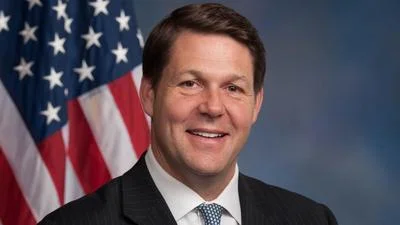
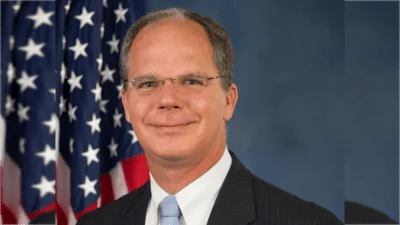
Congressman Morgan Griffith, Chairman of the Subcommittee on Health, led a hearing in Washington, D.C. to examine health insurance affordability and the rising costs affecting Americans. The session featured testimony from CEOs of major U.S. health insurance companies.
During the hearing, Republican committee members questioned insurance executives about their role in increasing health care costs and discussed how policy decisions have impacted patient access to quality coverage options.
“Many patients have fewer plan choices than they did before Obamacare was enacted. Therefore, Obamacare coverage is not translating to patient or taxpayer affordability,” said Chairman Griffith. “We owe it to patients to have a health system that offers real choices, transparent prices, and coverage that fits their needs, and I look forward to seeing how today’s conversation presents solutions to make health care more affordable for all Americans.”
Congressman Brett Guthrie cited estimates from the Congressional Budget Office indicating that premiums are projected to rise by 4 percent to 8 percent with the expiration of temporary enhanced credits related to COVID-19 relief under Obamacare. He noted that insurers in some areas requested premium increases as high as 50 percent for 2026 and questioned an executive about rate changes in Kentucky: “So, Mrs. Boudreaux, you’re in Kentucky. The average Elevance Obamacare plan increased its premium by roughly 24 percent. Despite what Democrats would have the American people believe, the temporary COVID Credit does little to actually lower underlying Obamacare premiums and the American taxpayers are footing the bill. So, Mrs. Boudreaux, by your best estimation—even if the Democrats’ temporary COVID Credits were extended—would Obamacare plan bids in my state of Kentucky increase or decrease between 2026 and 2025?” Mrs. Boudreaux responded: “Well, thank you very much for the question, Congressman. You know, as we’ve shared, premiums reflect the underlying costs...” To which Chairman Guthrie asked: “So, they would have increased, right?”
Congressman John Joyce addressed issues related to consolidation within the insurance industry following implementation of Affordable Care Act regulations: “Since the passage of the ACA, we have seen costs across all markets continue to increase. One of the key issues driving this is the medical loss ratio... The MLR created multiple perverse incentives for insurance companies to dramatically consolidate both vertically and horizontally... And at least one of you owns a bank! This has led to alleged cases of self-dealing…”
Congresswoman Mariannette Miller-Meeks raised concerns about pharmacy benefit managers (PBMs) and rebate practices: “The largest PBMs—CVS Caremark, Express Scripts, and Optum—have created rebate contracting entities... PBMs claim these entities provide them and their clients with greater bargaining power to lower costs, but recent investigations... suggest the opposite may be true.” She questioned top insurers about how much rebate savings reach patients: “Can any of you tell me what percentage of rebates are passed through to the patient…?” After receiving no response from witnesses she asked: “Is it zero?” Again receiving no answer she added: “You don’t even know that you’re not giving these patients back a rebate for paying higher drug prices.”
The full hearing is available online.