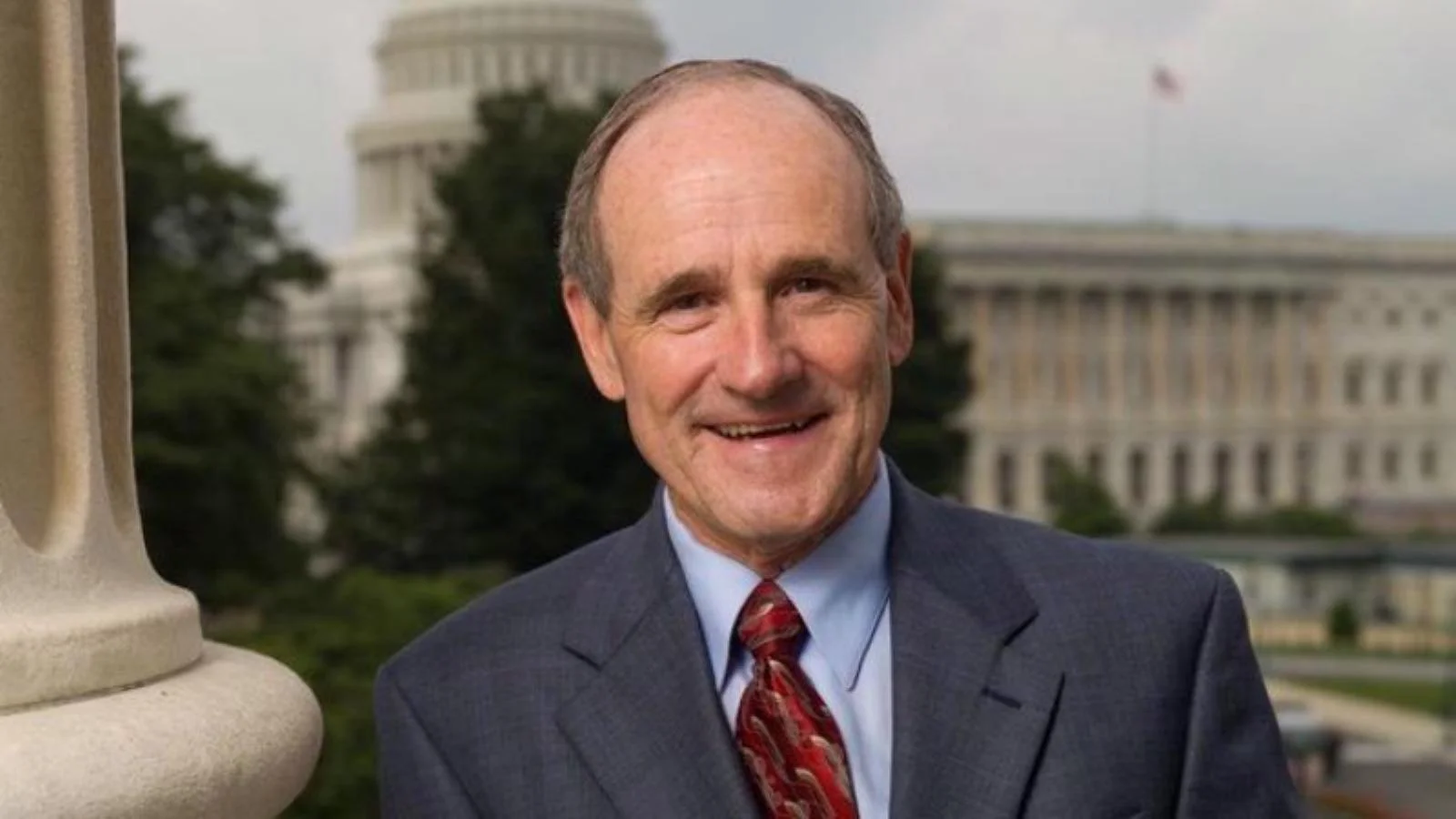
U.S. Senator Jim Risch, who serves as chairman of the Senate Foreign Relations Committee, appeared on Fox News’ Special Report with Bret Baier to discuss the Trump Administration’s recent operation in Venezuela.
Addressing the removal of Nicolás Maduro from power, Risch said: “When you're in the business of flooding drugs into the United States, having elections the way Maduro got into power, that's not right. It's not good for our hemisphere. It's bad for the United States of America, bad for the American people who we work for.”
On questions regarding Venezuela's transition of power following U.S. intervention, Risch stated: “This is not an operation to start a forever war in Venezuela. It wasn't an operation to change the regime, although, of course, that happened because the man committed the crimes he did and now has to pay for it. But if you look carefully at what happened when the United States went in there, we were very careful to see that we did not disrupt the infrastructure of the country. For instance, the police and other military operations were not touched by this.”
Discussing future steps and U.S. involvement moving forward, Risch emphasized: “It is important that the Venezuelan people step up and get to a place where there can be a very rational and reasonable election. There's been celebrations by Venezuelans all over the world, they’re glad to see Maduro gone. But the Venezuelans are now going to have to step up. That's what we want to see them do. We're not imperialists. We don’t want to run this country. We don't want to make this a situation where America is running the country. It needs to be done by the Venezuelan people. We want to encourage them.”
The Senate Foreign Relations Committee plays a key role in shaping U.S foreign policy by examining treaties and legislation (official website). The committee’s chairman leads its majority members while its ranking member heads those from minority parties (official website). Since its establishment in 1816 as one of Congress’s original standing committees (official website), it has influenced major policy decisions including support for initiatives like the Truman Doctrine and Marshall Plan after World War II (official website).
The committee continues today as a legislative body focused on international relations within U.S government structure (official website) and was pivotal historically—such as rejecting ratification of the Treaty of Versailles in 1919-1920 (official website).