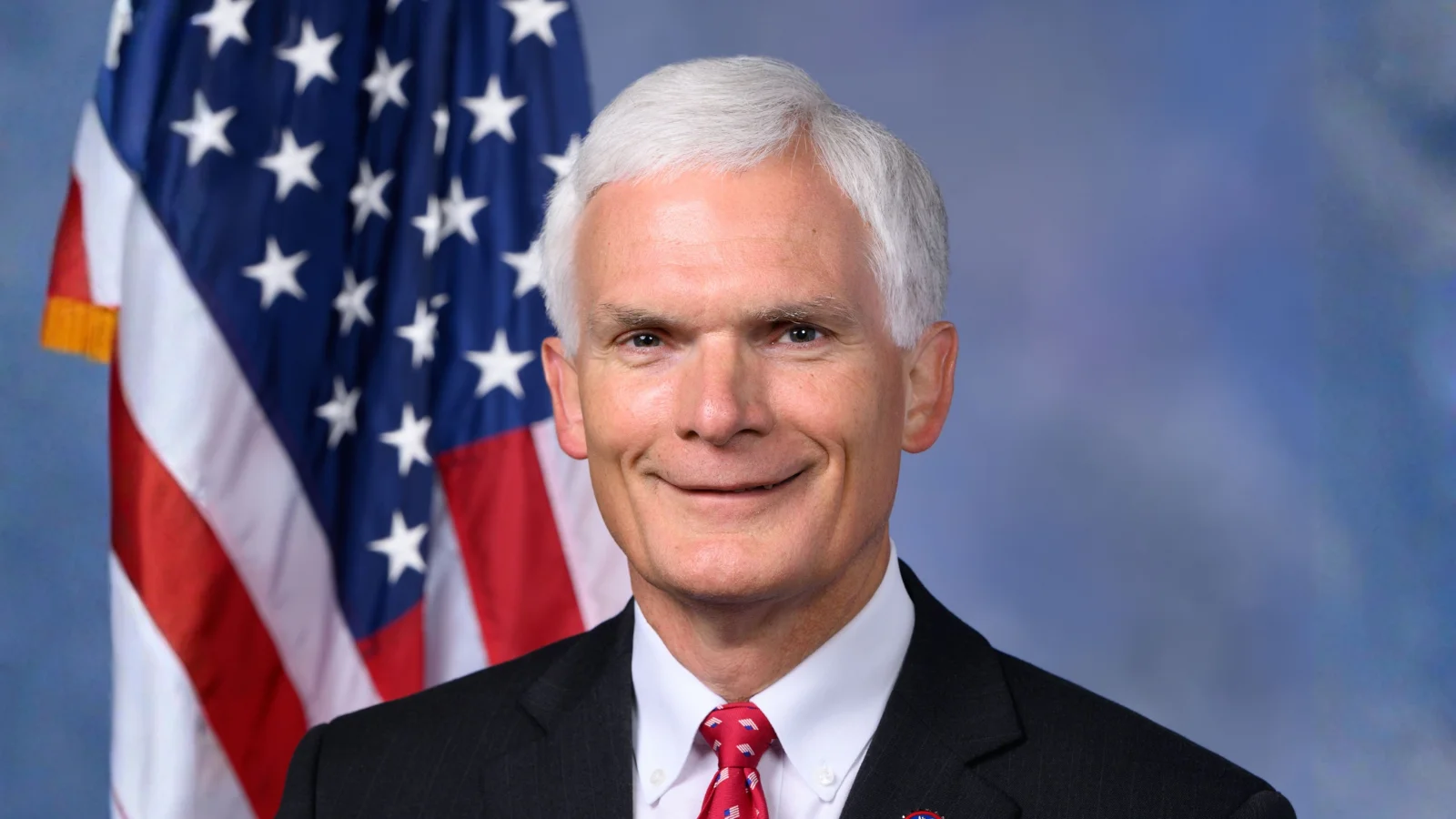
Today, Congressman Bob Latta (OH-05), who serves as Chairman of the Subcommittee on Energy, led a hearing in Washington, D.C., focused on the future of nuclear energy in the United States. The hearing, titled "American Energy Dominance: Dawn of the New Nuclear Era," addressed issues related to nuclear power’s role in meeting increasing energy demands and its importance for national security.
Chairman Latta emphasized the significance of expanding America’s nuclear energy sector. “The importance of the successful growth of the American nuclear energy industry cannot be understated,” said Latta. “We need firm, reliable power, versatile power, and more of it. We need power for emerging industrial output and the AI race—also for homes and businesses. A robust and growing nuclear industry also strengthens our national security. It does so through increased nuclear commerce with allies and through a more cost-effective industrial base.”
During the hearing, members discussed benefits and challenges associated with new nuclear facilities. Congressman Troy Balderson (OH-12) asked about long-term impacts for ratepayers if new facilities are built. In response, Mr. Williams highlighted that nuclear generation provides consistent baseload capacity at all hours, helps stabilize fuel costs, and has low operating expenses. He stated: “There are a lot of benefits of nuclear generation to our ratepayers. First and foremost, they're 24/7. They are baseload generation and capacity for our customers. They provide fuel stability and they have low operating costs. So, in our market, when our nuclear units are running, our customers are paying less for the electricity that they receive than they otherwise would.”
Congresswoman Mariannette Miller-Meeks (IA-01) noted that while U.S. development slowed in recent years, other countries advanced rapidly: “While our nuclear industry stagnated, as has been pointed out, China and Russia surged ahead, now accounting for 94% of reactors under construction worldwide. That competition isn't just about electricity; it's about American jobs, domestic manufacturing, exporting knowledge, equipment, and secure supply chains. We've watched critical skills atrophy and lost a generation of nuclear expertise. Rebuilding our nuclear energy industry means rebuilding the workforce, supply chains, and the industrial base that comes with it.”
Congressman August Pfluger (TX-11) raised concerns regarding increased demand from data centers—a trend seen especially in southeastern states—and asked about regulatory requirements necessary to commit to new projects at scale. Mr. Williams responded: “We are seeing tremendous load growth especially in the southeast... Southern Company is planning to meet that commitment... But we've got to mitigate the risks that are associated with that... Working through public-private partnerships... making sure that we can do that... what we want to do is when we bring that data center on we want to put downward pressure on rates for the rest of our customers... That's what we're focused on.”
The hearing underscored both opportunities and hurdles facing U.S.-based nuclear energy expansion as global competition intensifies.