The U.S. Department of Education has invited tribal leaders to a consultation regarding the Indian Education Partnership Interagency Agreements (IAA) with the Department of Interior and the Department of Labor. The meeting is scheduled for February 10, 2026, in Washington, D.C.
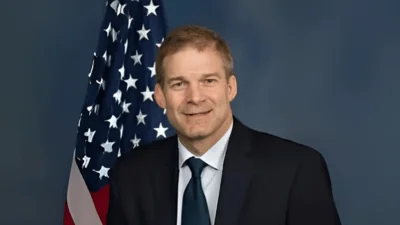
This consultation aims to gather input from American Indian, Alaska Native, and Native Hawaiian communities on how to implement the IAA effectively. According to Kirsten Baesler, Assistant Secretary for Elementary and Secondary Education at the Department of Education, "The Trump Administration is ready to work with Tribal leaders and hear their perspectives on how the federal government can empower all Tribes and best support every Native student across the country. Through this partnership, we will strengthen educational services to all Native students and their families, including those attending public schools, who constitute over 90% of all Native students."
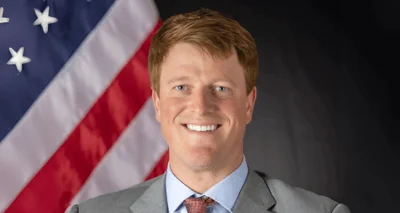
Billy Kirkland, Assistant Secretary for Indian Affairs at the Department of the Interior, stated, "The Department of the Interior is committed to delivering education programs that produce results for Native students. Consultation strengthens coordination and helps shape decisions affecting Native education. We are excited to work with tribes to improve program delivery, enforce accountability, and drive measurable outcomes for Native students."
Dr. Henry Mack, Assistant Secretary for Employment and Training at the Department of Labor, added: "The Department of Labor and the Employment and Training Administration are committed to genuine dialog with Tribal leaders as we streamline grant-making to Tribes and free education and career preparation from the excessive bureaucracy of the past, allowing for true Tribal sovereignty."
On November 18, 2025, these three federal agencies announced expanded partnerships through IAAs that will guide collaboration on programs serving Native communities. Under these agreements, ED will continue its policymaking authority while DOI increases its role in administering elementary through higher education programs related to Indian education. DOL will focus on ensuring that fiscal resources designated for Tribes are used to support literacy initiatives and workforce development opportunities for Native youth and adults.
According to ED’s Tribal Consultation Policy: “In the operation of its programs, ED will consult with tribes and seriously consider tribal views, information, and interests... ED will also make a serious effort to incorporate those views... whenever new initiatives or program changes would have a substantial direct effect on Indian educational opportunities under those programs.”
The upcoming consultation will be led by the U.S. Office of Indian Education with participation from senior officials empowered to act on tribal recommendations.