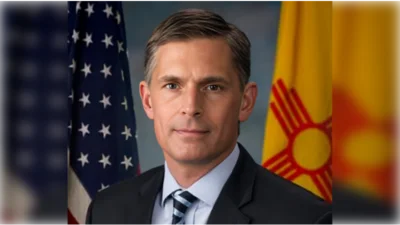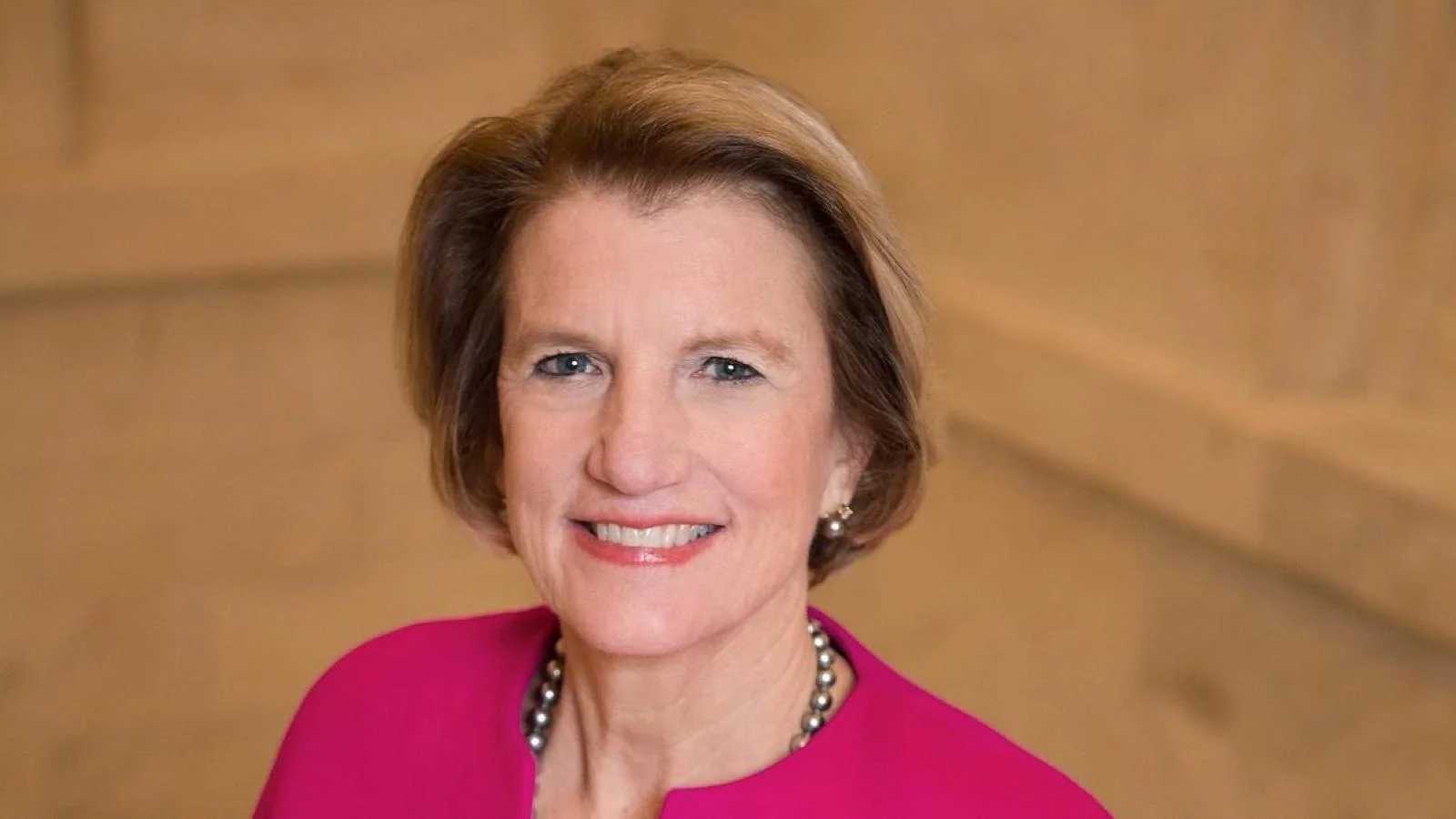
U.S. Senator Shelley Moore Capito, who chairs the Senate Environment and Public Works Committee, led a hearing in Washington, D.C., to examine the effects of federal environmental review and permitting processes on businesses, workers, consumers, and state governments.
During the hearing, Capito questioned witnesses about how uncertainty in federal permitting impacts investment planning and economic stability. She referenced disruptions to previously issued permits during presidential transitions as a source of concern for ongoing projects.
Brendan Bechtel, Chair of the Smart Regulation Committee for Business Roundtable, responded: “Yes. Uncertainty disrupts workforce planning, investment, communities and families. […] Predictability matters for all of these constituents in the process. And I think it’s fair to say that rather than any one project, this is about how the whole system works, including what happens after a permit is issued and what happens with litigation. Something that [Mr. Booker] can speak to as well is that for these kinds of projects, in our case for example, we’re typically making investments in training, in hiring, partnering with vocational schools in the area, doing housing studies ahead of time to make sure we mitigate impacts on local housing for big projects. That all can happen 18 to 36 months before a shovel ever even goes in the ground. And so, unpredictability about when we need to get started on that work is a real issue…”
Capito also asked Bechtel if other countries face similar unpredictability regarding permitted projects being halted due to political priorities. Bechtel replied: “I’m trying to think of examples of other countries. I will point out, I deliberately picked the Australia and Canada examples because I don’t think any of us would say those are countries that cut corners when it comes to environmental and social protections, and so I think they’re leading examples that you can achieve efficiency, speed, scale, while really having important community engagement and environmental protections upfront in the process.”
Addressing workforce concerns tied to project delays or cancellations was another focus during the hearing. Brent Booker from Laborers' International Union of North America stated: “That’s the bottom line. It takes time to get the skills you need... Whatever the energy source is... it’s actual people who have to go build that and have to apply skills to do that... When a project is built... people move... But they will move to that job... because they know they have the two-, three-, four-year job to build that energy infrastructure. And to have the whim of somebody with a pen in their hand say ‘you know what, I don’t like that energy source,’ completely disrupts their life.”
Dustin Meyer from American Petroleum Institute described challenges facing industry investments: “From our industry’s perspective, we’re eager to deploy billions of dollars of capital... Everyone agrees there should be a robust environmental review system but what really challenges industry is when you get approval but approval does not equal finality… Or even when you are in compliance…that does not end litigation.” He added: “That’s absolutely right. It’s a challenge not just for projects going through process but it chills decision even to propose new projects.”
Abigail Ross Hopper from Solar Energy Industries Association highlighted consequences for consumers if approved energy projects are halted: “I will agree with everything my colleagues said and add impact on consumers… those electrons are baked into grid planning…if those go away…our prices go up because there’s scarcity…impact on homeowners…on businesses…is pretty impactful if these projects are either not approved or permits are pulled.”
David S. Terry from National Association of State Energy Officials spoke about effects at state level: “I think from a state perspective…the unpredictable nature of federal permitting is essentially a hidden tax as delays happen...for individual homeowners…farmers…small businesses—many don’t have resources—that hidden tax we don’t really tally.”
The hearing underscored bipartisan concerns about balancing environmental oversight with regulatory predictability needed by investors and workers across sectors.