The House of Representatives has completed the passage of all twelve fiscal year 2026 appropriations bills, with six already signed into law. The remaining bills, which were developed through bipartisan and bicameral negotiations, now await action in the Senate.
These funding measures cover a wide range of priorities including military support, national security, disaster response, public safety initiatives, medical research funding, education programs, infrastructure improvements, and investments tailored to community needs across the country.
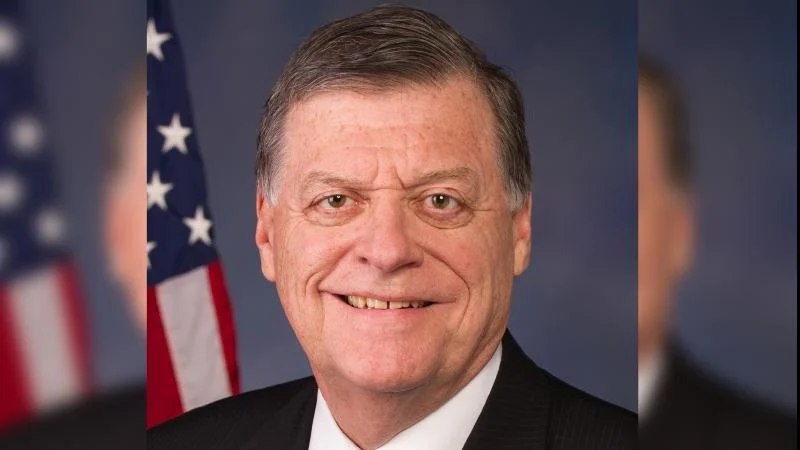
Chairman Tom Cole (R-OK) stated: “The facts are simple. These bills were fully negotiated and sent to Democrats in both the House and Senate in the exact form they requested. That was the deal they asked for – and that was the deal they received. Do Democrats really want to shut down the government for the second time in three months? And with what result? A partial government shutdown or continuing resolution does not achieve their objective. It actually gives Congress less authority – and resources for ICE body-worn cameras and deescalation training are lost. What this moment calls for is reason and responsibility, even if it is politically inconvenient. Threatening paychecks for our military and air traffic controllers, resources for FEMA during a winter storm, support for rural hospitals and biomedical research, IRS customer services during the start of tax season, and other critical government operations hurts real people and real communities. Breaking a negotiated agreement is not leadership – it is abdication. Democrats should keep their word, fund the government, and work with the Administration, or through the proper authorizing process, rather than threatening national disruption through appropriations.”
House Republicans emphasized that they collaborated closely with Senate colleagues on both policy details and procedural approaches. They also noted that at Senate request, outstanding appropriations bills were grouped into a single legislative package.
According to House Republican leaders, rejecting this package would mean opposing key provisions such as increased funding for disaster preparedness efforts; higher pay for service members and air traffic controllers; enhanced support for biomedical research facilities as well as rural hospitals; strengthened cybersecurity defenses; additional classroom resources; anti-drug trafficking initiatives; targeted local investments; and backing supply-chain workers vital to economic stability.
The House maintains it has met its constitutional obligations regarding federal spending legislation while stressing that final approval now depends on Senate action.