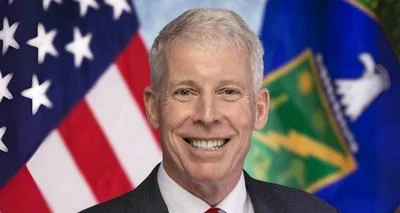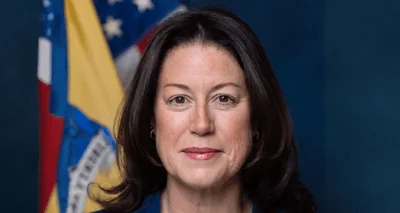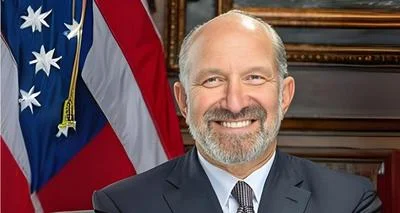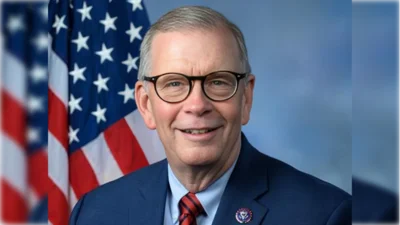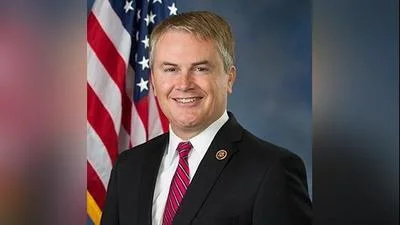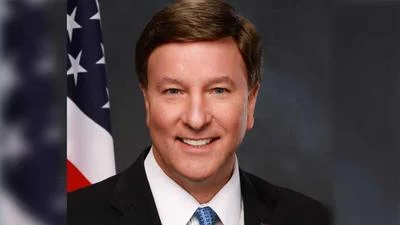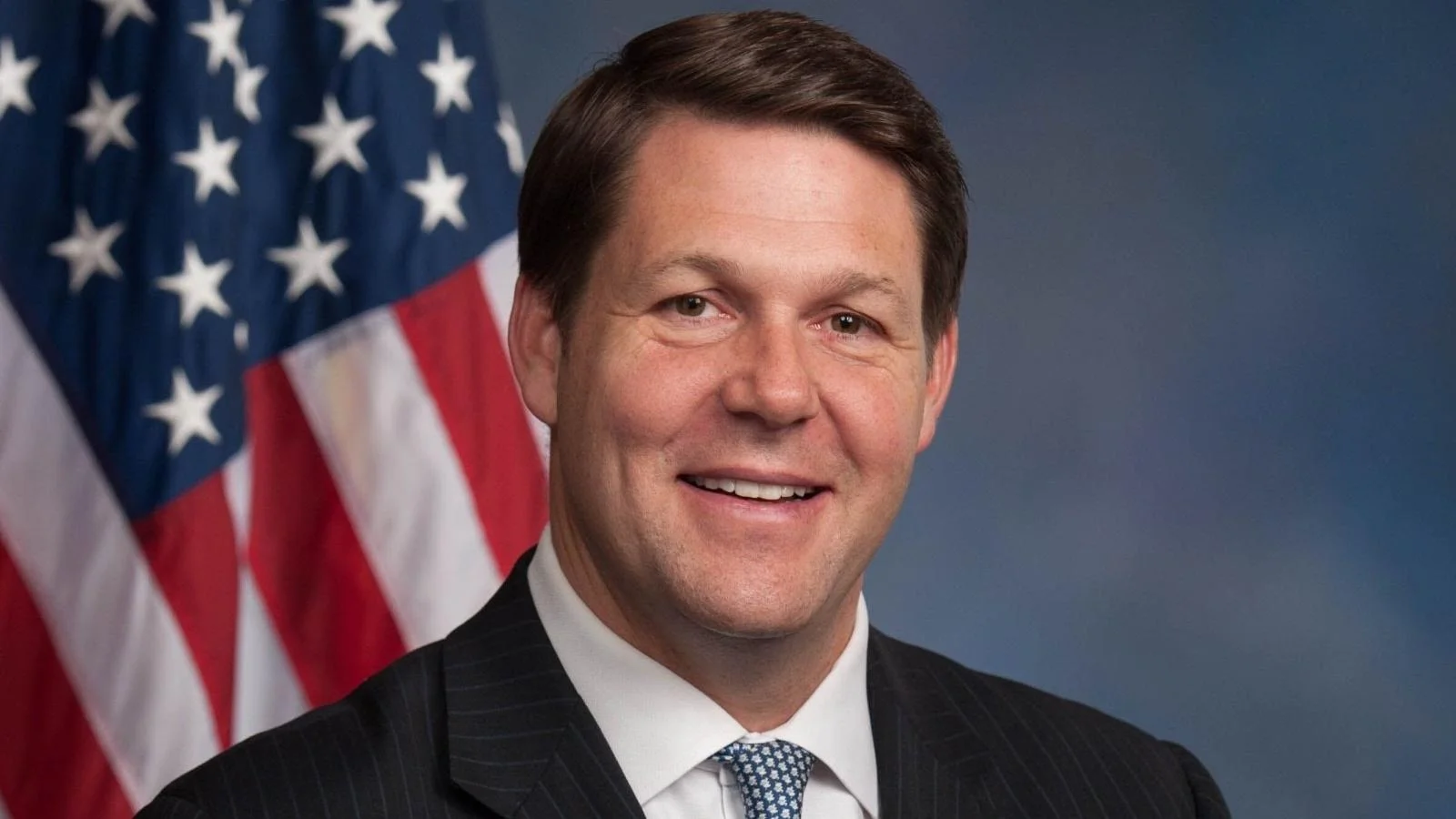
Last Wednesday, the House Budget Committee convened a hearing titled “Reverse the Curse: Skyrocketing Health Care Costs and America's Fiscal Future” to examine how rising health care costs are affecting Americans’ access to affordable care and contributing to the national debt. The committee, which plays a key role in developing federal budget guidelines and promoting fiscal responsibility, focused on policy failures and possible reforms. More information about the committee’s work can be found on its official website.
Rep. Marlin Stutzman (R-Ind.) addressed the prevalence of chronic disease in America, noting that “three in four Americans have at least one chronic disease, and over half have two or more chronic conditions.” He cited CDC data indicating that 90% of annual health care expenditures are spent on chronic and mental health conditions. Joel White, President of the Council for Affordable Health Coverage, responded: “Yeah, I think we have a system that’s designed for sick care, not for preventing sickness before it begins, and that costs us a lot. And so I think the MAHA focus on health is really significantly important for lowering long-term health care costs.”
White recommended three policy changes: allowing premium discounts for wellness activities in the individual market; revising rules around Medicare Advantage supplemental benefits to make healthy food an eligible benefit; and implementing rational regulations so resources go toward effective preventive measures.
Dr. Benedic Ippolito from the American Enterprise Institute discussed how continued growth in health care spending impacts both the economy and federal budget. “If costs continue to grow at accelerated rates, we’re not going to be able to deliver what we are currently promising people,” he said. He warned against open-ended government subsidies that rise with health care costs: “We see it in the Affordable Care Act… It does not matter how expensive that plan gets; the federal government continues to subsidize it.”
Rep. Josh Brecheen (R-Okla.) compared U.S. spending with other developed countries: “On average, we're spending almost $12,000 as individuals in America… many countries… are spending $6,000 or less.” He argued that increased government involvement since Obamacare has led to higher insurance premiums without improved outcomes: “The distance between the doctor and the patient grows larger… This gap is filled by more government mandates.” Avik Roy from the Foundation for Research on Equal Opportunity added: “The fact that the Affordable Care Act made health insurance massively more expensive for people who buy it on their own is a huge problem… The foundation of free market health insurance is you buying that health insurance for yourself.”
Rep. Blake Moore emphasized rising premiums across all markets: “Health care premium costs are going up for everybody in health care… whenever you just blatantly subsidize the market or give zero-dollar premiums, you're going to see that increased rapidly.” Joel White suggested addressing market consolidation and making subsidies portable as part of Reconciliation 2.0 legislation.
Roy also spoke about Medicaid reforms included in recent tax legislation: “I think it's really important to increase program integrity… you're going to have more people who are actually eligible for Medicaid enrolling in Medicaid…” He praised efforts by Congress aimed at reducing wasteful provider taxes used by states to draw down extra federal funds.
Rep. Tim Moore (R-NC) commented on anti-fraud measures: "This was about common sense reforms to stop programs from paying millions of dollars and often to dead people." Dr. Ippolito concluded by highlighting incentive issues within Medicaid financing schemes: "As long as the federal government is paying... more than 90% of the cost, it's going to be very... hard to discourage at least fraud adjacent behavior."
The House Budget Committee continues its oversight role over federal spending through hearings such as this one while working with other congressional bodies like Ways and Means and Appropriations Committees [source]. Established in 1974 under the Congressional Budget and Impoundment Control Act [source], it remains central within fiscal policy oversight operations based in Washington D.C.