A California man has been sentenced to more than three years in prison and ordered to pay over $134,000 in restitution for selling counterfeit jewelry falsely attributed to renowned Hopi artist Charles Loloma. Robert Haack, 59, operated a scheme between 2008 and 2015 in which he manufactured fake Loloma pieces at his home and sold them as authentic works through eBay and direct sales. Authorities say Haack's actions defrauded collectors nationwide of approximately half a million dollars.
Court documents reveal that Haack misrepresented the origin of the jewelry, claiming it was made in Loloma’s workshop in Hotevilla, Arizona. An investigation by the United States Fish and Wildlife Service confirmed that the items were not genuine. More than ten victims across the country purchased forged pieces from Haack.
Federal authorities began investigating Haack after undercover agents bought two fake pieces from him in 2018. In 2019, a federal grand jury indicted him on multiple fraud-related charges linked to his counterfeit operation.
Haack initially pleaded guilty to three counts of fraud under an agreement that would have resulted in home confinement. However, he later withdrew his pleas after refusing to provide financial information required by probation officials, leading the court to reject the plea deal.
The case faced further delays when Haack feigned a cognitive medical condition before trial, prompting concerns about his competency. After a month-long forensic evaluation, the court found that he had been malingering and was competent for trial.
In June 2024, following a four-day trial in Santa Fe, New Mexico, a federal jury convicted Haack on two counts each of wire fraud, mail fraud, and violating the Indian Arts and Crafts Act.
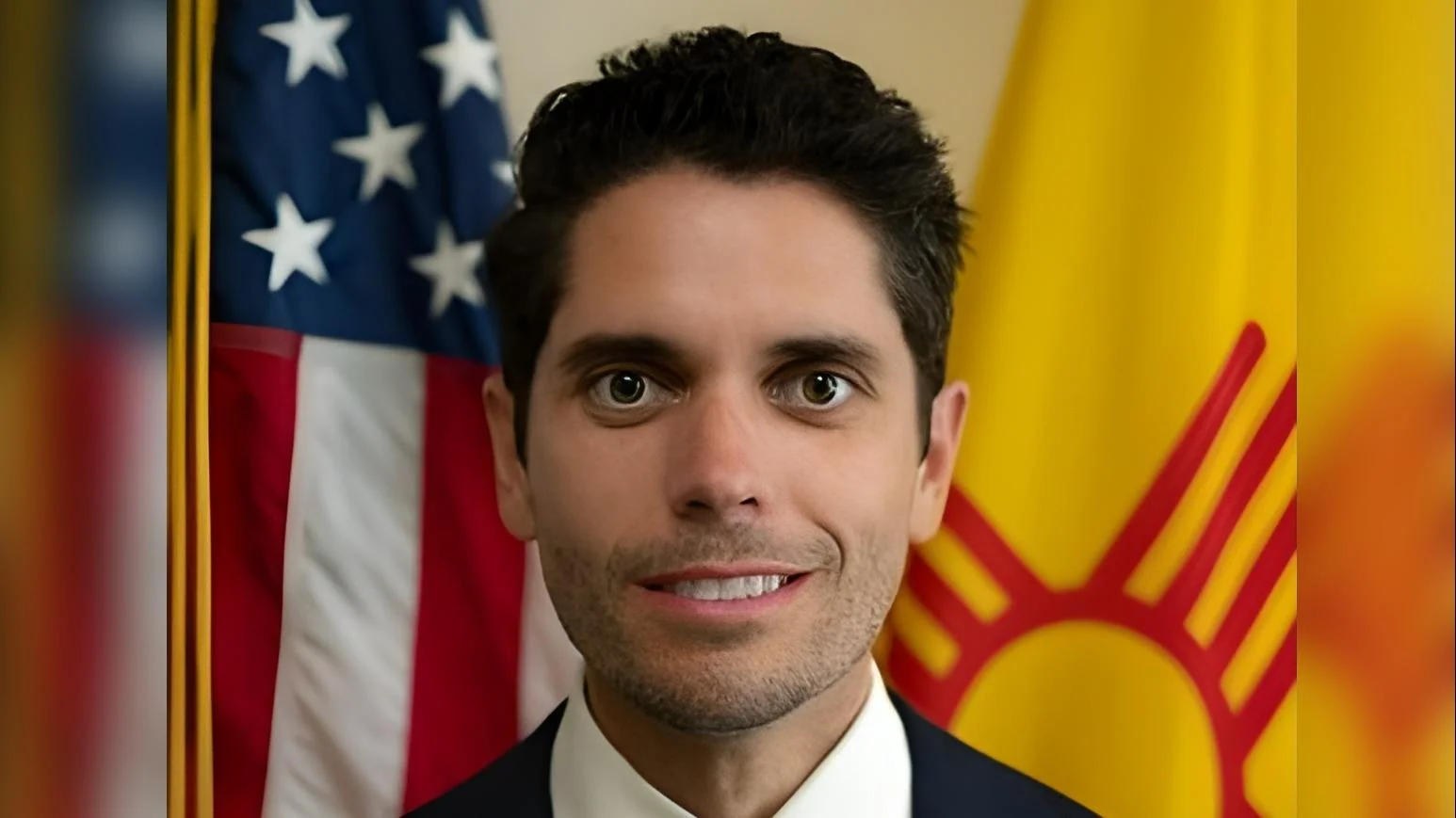
“When individuals falsely claim jewelry as authentic Native American art for personal gain, they distort the marketplace and exploit both artists and consumers,” said First Assistant U.S. Attorney Ryan Ellison. “I commend the professionals whose diligence brought this case to verdict and justice for those harmed. Upholding the integrity of our markets and holding accountable those who undermine public trust remains a priority for this office.”
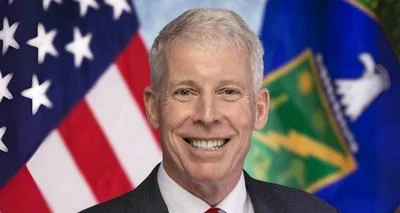
"Robert Haack’s counterfeit operation victimized customers and directly harmed the economic and cultural livelihood of Native American artists," said Assistant Director Doug Ault of the U.S. Fish and Wildlife Service Office of Law Enforcement. “Protecting American Indian and Alaska Native culture and traditions is a critical part of the Indian Arts and Crafts Act. Our dedicated team of special agents, working in partnership with the U.S. Department of the Interior and the Indian Arts and Crafts Board, diligently safeguards both American Indian and Alaska Native artists, as well as the consumers who seek genuine Native American art and crafts. This sentencing underscores the importance of these protections, and we thank our partners at the Department of Justice and the Indian Arts and Crafts Board for their invaluable assistance in this investigation."
“The Indian Arts and Crafts Board of the U.S. Department of the Interior (IACB) administers and enforces the Indian Arts and Crafts Act (IACA), a truth-in-marketing law,” said Board Director Meridith Stanton. “The IACA is intended to rid the Indian arts and crafts marketplace of fakes to protect the economic livelihoods and cultural heritage of Indian artists, craftspeople, and their Tribes, as well as the buying public. Authentic Indian art and craftwork is an important tool for passing down cultural traditions, traditional knowledge, and artistic skills from one generation to the next. The IACB commends the U.S. Attorney - District of New Mexico and the U.S. Fish and Wildlife Service’s IACA Investigative Unit for their outstanding work that led to today’s sentencing of Robert Haack for his manufacture and sale of counterfeit Charles Loloma (Hopi) jewelry. As the father of contemporary Indian jewelry, Charles Loloma not only broke many Indian art industry barriers with his masterful work, he also inspired his Indian artist contemporaries and generations that followed to excel, push boundaries, and elevate Indian jewelry to new levels as never before. Mr. Haack’s sales of counterfeit Indian art demean and rob authentic Indian artists who rely on the creation and sale of their artwork to put food on the table, make ends meet, and pass along these important cultural traditions and skills from one generation to another generation . His actions undermine consumers’ confidence in the Indian art market in the Southwest and nationwide . Now Mr . Haack has been brought to justice ,and his sentencing should send a strong message to IACA violators that we will diligently work to find you and prosecute you under the IACA .”
First Assistant U.S. Attorney Ryan Ellison announced today’s sentencing alongside Doug Ault from U.S Fish & Wildlife Service Southwest Region.
The investigation was conducted by the Office of Law Enforcement at U.S Fish & Wildlife Service with help from the Indians Arts & Crafts Board. The United States Attorney’s Office for New Mexico prosecuted this case.