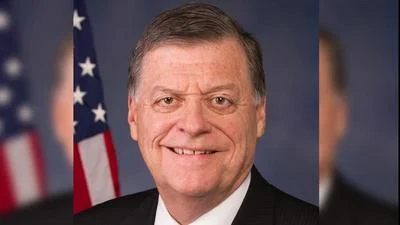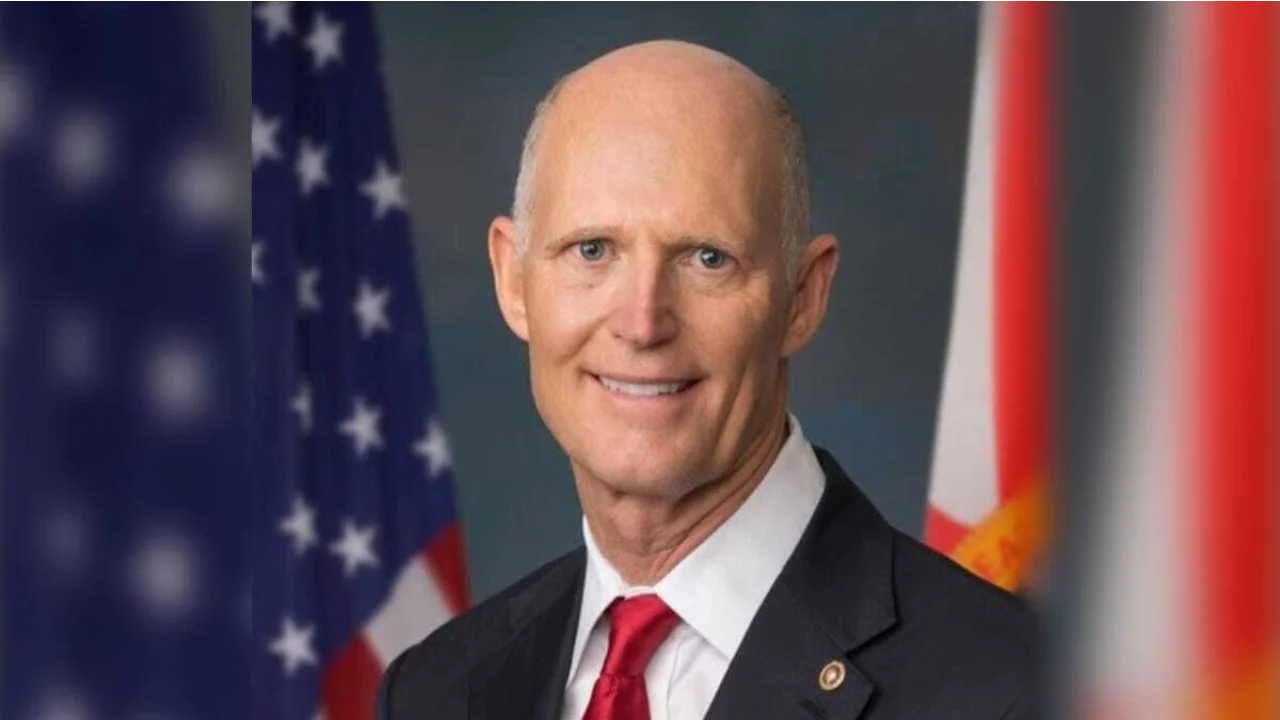
Chairman Rick Scott of the Senate Special Committee on Aging led a hearing in Washington, D.C., focusing on the risks associated with America's reliance on foreign-manufactured generic drugs. During the session, Scott announced the introduction of the CLEAR LABELS Act, which would require country-of-origin labeling for prescription drugs sold in the United States.
A large share of prescription medications used by Americans are produced in China and India. These countries often have limited regulatory oversight, making it difficult for patients and healthcare providers to know where their medicines come from. The committee and expert witnesses discussed how this situation affects patient safety and supply chain stability.
Scott has previously called for stronger oversight of pharmaceutical supply chains and highlighted concerns about dependence on foreign-made generics. He referenced a bipartisan investigative report he led that detailed these vulnerabilities. Following this report, Scott and Ranking Member Gillibrand sent multiple letters to federal agencies and industry leaders requesting more transparency regarding generic drugs.
The committee has held several hearings since September 2025 to address these issues. These sessions examined both the risks posed by foreign dependence and possible policy solutions to increase domestic drug manufacturing.
Witnesses at today’s hearing included Dr. John Gray from The Ohio State University, Dr. Michael Ganio from ASHP, and Dr. Stephen W. Schondelmeyer from the University of Minnesota College of Pharmacy. They described weaknesses in the U.S. drug supply chain, including insufficient information about foreign manufacturing practices, and supported measures like country-of-origin labeling to improve patient safety.
In his prepared remarks, Chairman Scott stated: “The U.S. Senate Special Committee on Aging will now come to order... Last year, this committee exposed the public health risks and national security threat posed by America’s overreliance on Communist China and India for generic drugs and the drug ingredients that make them – known in the medical industry as APIs.”
He continued: “Together, Ranking Member Gillibrand and I led a bipartisan effort to demand accountability... We sent letters to the Food and Drug Administration, the Department of Veterans Affairs, and key industry stakeholders... The Aging Committee sounded the alarm and exposed the dangers in Americans’ medicine cabinets.”
Scott outlined findings from recent investigations: “91% of prescriptions in the United States are generic drugs... Of those drugs, almost 94% use APIs produced overseas in factories predominantly in Communist China and India that have little to no FDA oversight.”
He raised concerns about inspection practices abroad: “When the FDA does make it abroad to inspect these facilities, they often warn them in advance... we still see reports of skittering lizards and birds flying around foreign facilities.”
Scott emphasized two main problems: untested APIs from overseas making some generics less safe than American-made alternatives; second, government bureaucracy hindering domestic production efforts.
He warned about potential disruptions if China or India were to halt exports: “If that happens, the United States has no plan to keep these generic life-saving drugs needed by millions of Americans available.” He cited past examples such as export restrictions during COVID-19.
Introducing his bill, Scott said: “This is why I am taking action… with my CLEAR LABELS Act... This bill would require country-of-origin labeling for pharmaceuticals so physicians, pharmacists… know where these essential drugs are coming from.”
“My bill changes that,” he added. “Under my bill… finished drug products prescribed… would need to identify each API’s original manufacturer as well as packer or distributor right on label or through a searchable electronic portal.”
Scott concluded by inviting support for his legislation: “Country-of-origin transparency is not just a consumer right; it’s a matter of national security… I invite all members…to join me…”
The proposed CLEAR LABELS Act aims not only at informing consumers but also at encouraging more domestic pharmaceutical manufacturing.