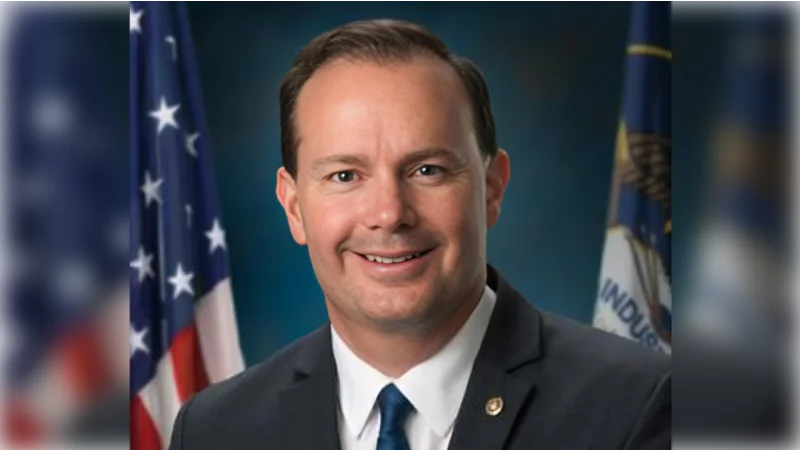
Senator Mike Lee, who chairs the Senate Committee on Energy and Natural Resources, has introduced a bill that would require the Department of the Interior to study the feasibility of installing a selective water withdrawal system at Glen Canyon Dam. The proposed study aims to determine whether such a system could improve hydropower generation while also protecting the Colorado River from invasive species.
The legislation instructs the Bureau of Reclamation, in partnership with the Department of Energy and power contractors associated with the Colorado River Storage Project, to assess if a selective withdrawal system can optimize hydropower during cold-water releases. The study will also consider how this technology might help prevent invasive species from entering downstream waters, in line with current management plans for Glen Canyon Dam.
“Glen Canyon Dam plays an important role in providing reliable, affordable hydropower across the West,” said Chairman Lee. “This bill takes a practical step toward understanding whether modern engineering solutions can improve performance while dealing with real ecological concerns. Before committing ratepayers or taxpayers to major infrastructure changes, we should understand what works, what does not, and what delivers the best return.”
If enacted, the Department of the Interior would have 18 months to complete a full feasibility assessment that includes hydrological modeling. Should it be determined that implementing a selective water withdrawal system is feasible under existing reclamation laws—and if power contractors agree—the department would be authorized to move forward with compliance measures and construction.
The bill specifies that federal appropriations will fund the feasibility study and states these funds will not need to be reimbursed. Within 90 days after enactment, Interior must identify available funding sources for this work.
The legislation makes clear it does not change or make assumptions about future operating guidelines for Lake Powell or Lake Mead after 2026.
The Colorado River Energy Distributors Association expressed support for the measure: “A feasibility study of a selective water withdrawal system has the potential to identify cost-effective alternatives that would protect threatened species while also maintaining hydropower generation at this critical infrastructure facility. Importantly, the feasibility study that would be authorized by this legislation does not interfere with Colorado River Operating Guidelines, or anticipated post-2026 operations. Rather, CREDA’s members from both the Upper and Lower Basins of the Colorado River are supportive of this feasibility study bill as an important step that will lead to new solutions to help maintain production of clean, renewable hydropower and support grid stability.”