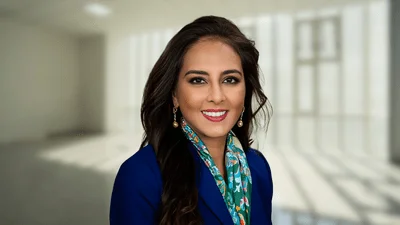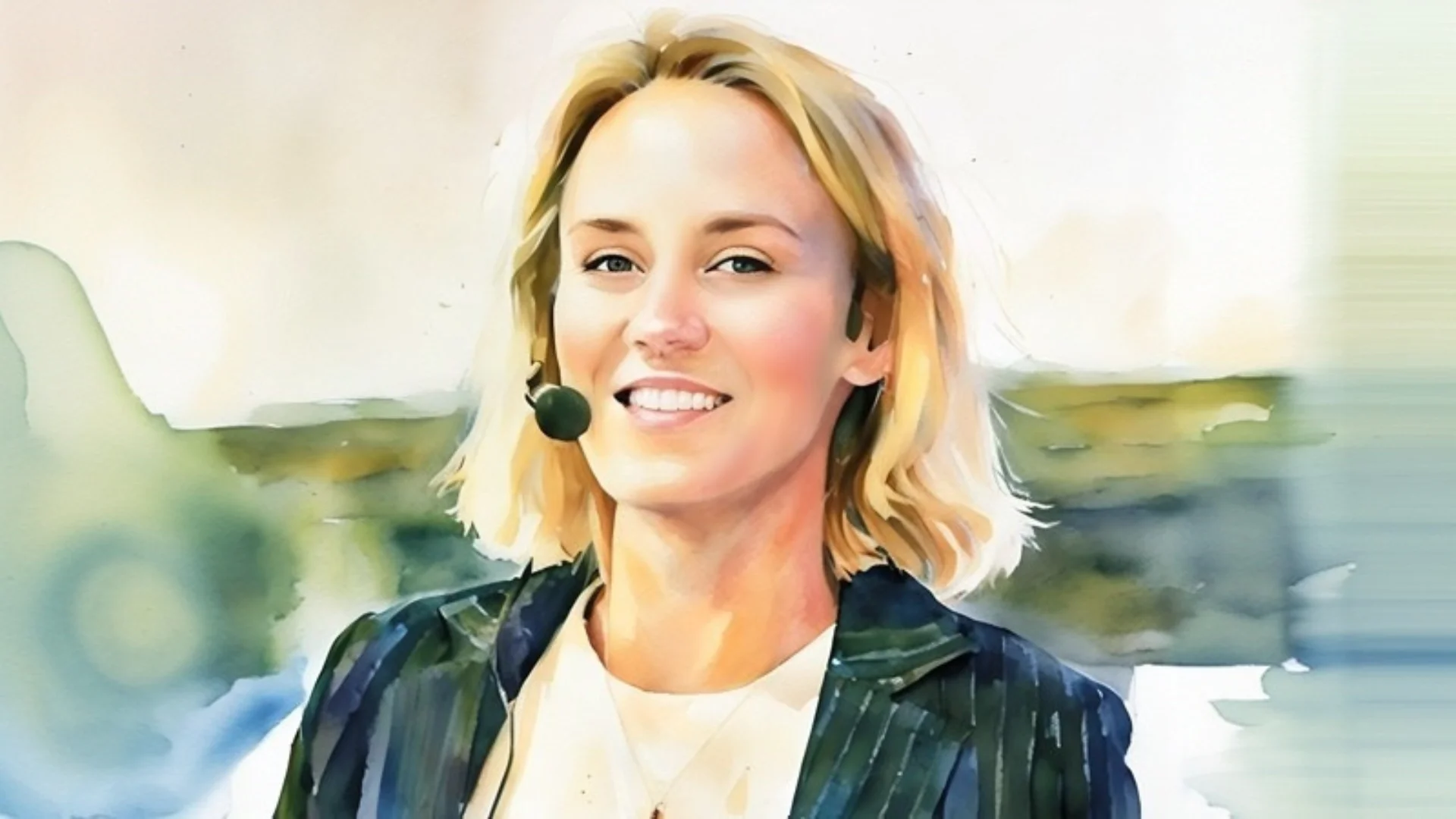
Ukraine is surviving another winter of missile strikes and energy shortages, hoping a peace framework will eventually take effect. For any peace to take hold, Natalia Shapoval argues that a framework must include physical enforcement of sanctions and accountability to prevent future wars.
Shapoval is Chairman of the KSE Institute, one of Ukraine’s largest think tanks, and became a visiting scholar at the Carnegie Endowment for International Peace in 2024. She points out that expectations for negotiations shifted sharply after recent meetings among the U.S., Ukraine and Russia. “A lot of Ukrainians at least had lots of hopes about the negotiations and prosperity plan and that there can be some ceasefire,” she says.
Developments at Davos tempered those expectations. “It’s not happening as yet,” she says, adding that disappointment has given way to realism rather than shock. She describes a global environment where respect for sovereignty and human rights has weakened. “The world [has] become [an] even more difficult place for rule of law and for human rights and sovereign rights,” she says.
Economic enforcement, she argues, is critical. Shapoval points to action against Russia’s shadow fleet as a turning point. “Unless there is this physical response, Russia will just continue evading sanctions,” she says. She explains that tankers routinely ignored restrictions until vessels were stopped and boarded. “This is a huge step forward,” she says.
Sanctions on major Russian energy companies are also helping. “It was something that all analysts would have been expecting,” Shapoval says, describing measures targeting Lukoil and Rosneft. She believes new proposals in the U.S. Senate are equally significant, particularly a proposal by Sen. Lindsey Graham. “What he’s proposing is to use tariffs for countries that still continue buying Russian oil,” she says. “That’s a very effective way to stop it.”
A tide may be shifting. “There are really good strong measures that are going on,” Shapoval says, citing the sanctions, investment vehicles for critical materials, and the ship interdictions.
But the winter months will be tough. “The winter is really difficult for Ukraine and for our energy system engineers,” Shapoval says. She describes students facing freezing temperatures. “They would have temperatures like plus six or zero,” she says. Universities adapted by becoming shelters. “We have sleeping bags and we have water and showers,” she says. “People are allowed to come and sleep when they have trouble.”
Shapoval says damage assessments now exceed previous estimates, which she puts at “probably $200 billion.” Her focus increasingly centers on local communities. She finds resolve strongest outside major cities. “People in communities like in eastern Ukraine, they are much more resilient,” she says.
She also sees international support as a bright spot. “We have some way of collaboration with almost every country [in the] sanctions coalition,” she says. Accountability, she argues, matters beyond Ukraine. “It’s really critical to have Russia responsible for what is being done,” she says. “That’s what we really believe is important to prevent future wars.”
Shapoval was born in Kyiv and spent much of her childhood in the Chernihiv region, dividing her time between the capital and rural village life. Since 2022, her work has focused on assessing damage from the war, monitoring foreign companies operating in Russia, and analyzing sanctions, investment policy, and economic recovery.