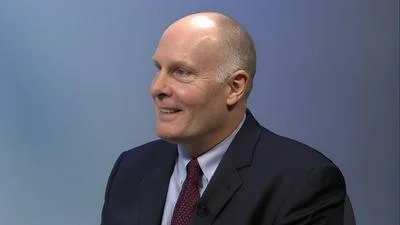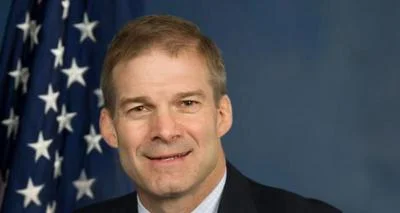
Congressman John Joyce, M.D. (PA-13), Chairman of the Subcommittee on Oversight and Investigations, addressed concerns about fraud in Medicare and Medicaid during a hearing titled "Common Schemes, Real Harm: Examining Fraud in Medicare and Medicaid." The session took place as part of the House Energy and Commerce Committee's ongoing oversight responsibilities related to health care policy.
Joyce highlighted recent criminal cases in Minnesota involving fraud in Medicaid and other benefits programs, stating that these incidents reveal vulnerabilities within the system. He emphasized that such issues are not isolated to one state but reflect a broader national problem. According to Joyce, "Some estimates place annual Medicare and Medicaid fraud losses at $100 billion annually. This is only a conservative estimate because fraud can only be accounted for if it is detected."
The Government Accountability Office has classified Medicare as "high-risk" since 1990, with Medicaid added to the list in 2003. The Department of Health and Human Services Office of Inspector General has also raised concerns about persistent waste, fraud, and abuse within these programs.
Joyce cited several examples from across the country:
- In New York, an adult day care owner defrauded Medicaid out of more than $68 million through illegal referral kickbacks.
- In Arizona, a man allegedly billed Arizona Medicaid $650 million by targeting homeless individuals and Native Americans seeking substance abuse treatment.
- Seven defendants in Arizona and Nevada were charged last year with an alleged $1.1 billion Medicare fraud scheme involving unnecessary medical products.
- A Florida laboratory owner recently pleaded guilty to billing Medicare for $52 million worth of medically unnecessary genetic tests.
He noted that patients often receive inadequate or no medical care due to these schemes. Additionally, some become victims of identity theft or deceptive marketing practices.
Joyce warned that international criminal groups are increasingly involved in health care fraud targeting federal programs. He said recent indictments show this trend is growing worse: "It has been said that health care fraud is becoming easier and more lucrative than the illicit drug trade."
He stressed the need for proactive measures: "We applaud law enforcement efforts that investigate and prosecute fraud, but we can save more money by detecting and preventing fraud before it occurs, rather than paying and chasing funds after they are paid to criminals."
Joyce thanked witnesses participating in the hearing for their expertise on maintaining program integrity.
The House Energy and Commerce Committee—one of Congress’s oldest standing committees dating back to 1795—oversees matters related to energy policy, health care (including oversight over agencies like the Department of Health and Human Services), environmental protection, telecommunications, consumer issues, infrastructure initiatives, technology advancement, broadband expansion, pharmaceutical costs regulation as well as public health policies according to its official website.