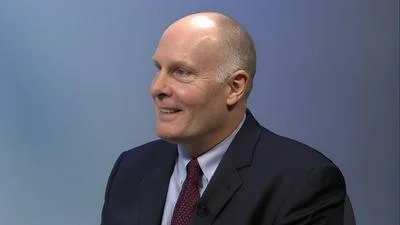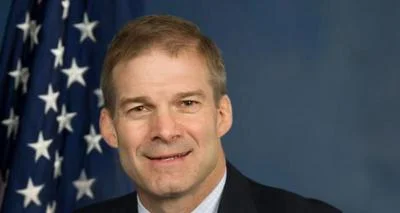
Congressman John Joyce, M.D. (PA-13), Chairman of the Subcommittee on Oversight and Investigations, led a hearing in Washington, D.C. focused on fraud in Medicare and Medicaid programs. The session, titled "Common Schemes, Real Harm: Examining Fraud in Medicare and Medicaid," addressed ongoing concerns about fraudulent activities that impact these health care systems.
Chairman Joyce highlighted recent developments in Minnesota’s Medicaid program as an example of broader issues affecting communities nationwide. “What’s happening in Minnesota’s Medicaid program is deeply concerning and requires robust Congressional oversight; however, it is just the tip of the iceberg,” said Joyce. “Medicare and Medicaid fraud has been occurring in communities across the U.S. for decades, diverting necessary resources from patients in need. It is our duty to protect these programs for our most vulnerable Americans.”
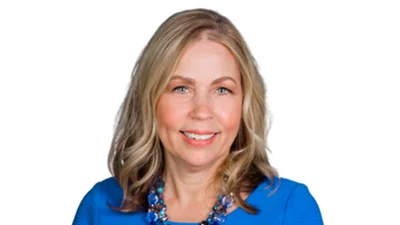
During the hearing, Congressman Russ Fulcher (ID-01) questioned witnesses about regional trends in fraud and whether certain states are more susceptible due to lower barriers or less frequent audits. Ms. Gay responded: “Absolutely. We talk a lot in the industry how [fraud] can be regionally generated. It tends to start in one particular area, and then I don’t know if they’re all hanging out, talking to each other, or how that spreads, but it does tend to start in certain populations and then branch out from there based on controls.” Fulcher also asked about foreign actors' involvement in fraud schemes. Ms. Wooten explained: “Certainly, states have seen both fraud cases perpetrated by foreign and by U.S. citizens or people in the U.S., and from our perspective, as being a Medicaid Fraud Control Unit, it makes no difference. We look at allegations, try to identify whether there is something we can do about them? Is the dollar amount something we can pursue? Are we going to be able to get value back for the Medicaid program? Do we have the laws in place to prosecute whatever type of fraud is referred? And we move forward with that investigation.”
Congressman Dan Crenshaw (TX-02) raised concerns about balancing stronger oversight with maintaining access to care for patients. He asked what happens when fraud is not controlled and who suffers most as a result. Ms. Gay answered: “I think there’s certainly the patient-harm attribute you mentioned—you know, not getting the care that you need... We dealt with some cases with ACA enrollments, and by the time we verified with CMS that those were eligible recipients, the health plan was already on the hook for $1, $2, $3 million. Were these patients even receiving the care? In some cases, yes. In other cases, they had no idea that they were in a facility for such treatment... Now you have somebody that doesn’t even have that challenge, but that is now on their record. And even worse—those that do, that are getting subpar treatment at a very exorbitant rate and still not getting better.”
Congressman Buddy Carter (GA-01) pointed out findings where 112 hospice providers operated from a single address and noted significant overbilling issues within Medicare as a result. He asked if similar fraudulent schemes appear elsewhere after initial success stories become known among perpetrators. Ms. Wooten replied: “Absolutely. We definitely see replicated fraud schemes in hospices; an excellent example... I share your concerns about home health and hospice because I owned a home health agency for many years... What we now see though—hospices who are admitting patients who are not terminally ill, patients who don’t know they were put on hospice, patients who maybe aren’t getting treatments that they need... We have seen the same thing in Utah that the hospices have exploded... Absolutely; fraudsters learn from fraudsters and it’s an area we have to investigate.”
The House Energy and Commerce Committee oversees federal agencies related to health care such as Medicare and Medicaid programs while promoting bipartisan public health policies (official website). The committee handles legislation regarding energy policy as well as matters connected to environmental protection and telecommunications (official website). Established originally as the Committee on Commerce and Manufactures in 1795 (official website), it remains one of Congress's oldest standing committees (official website).