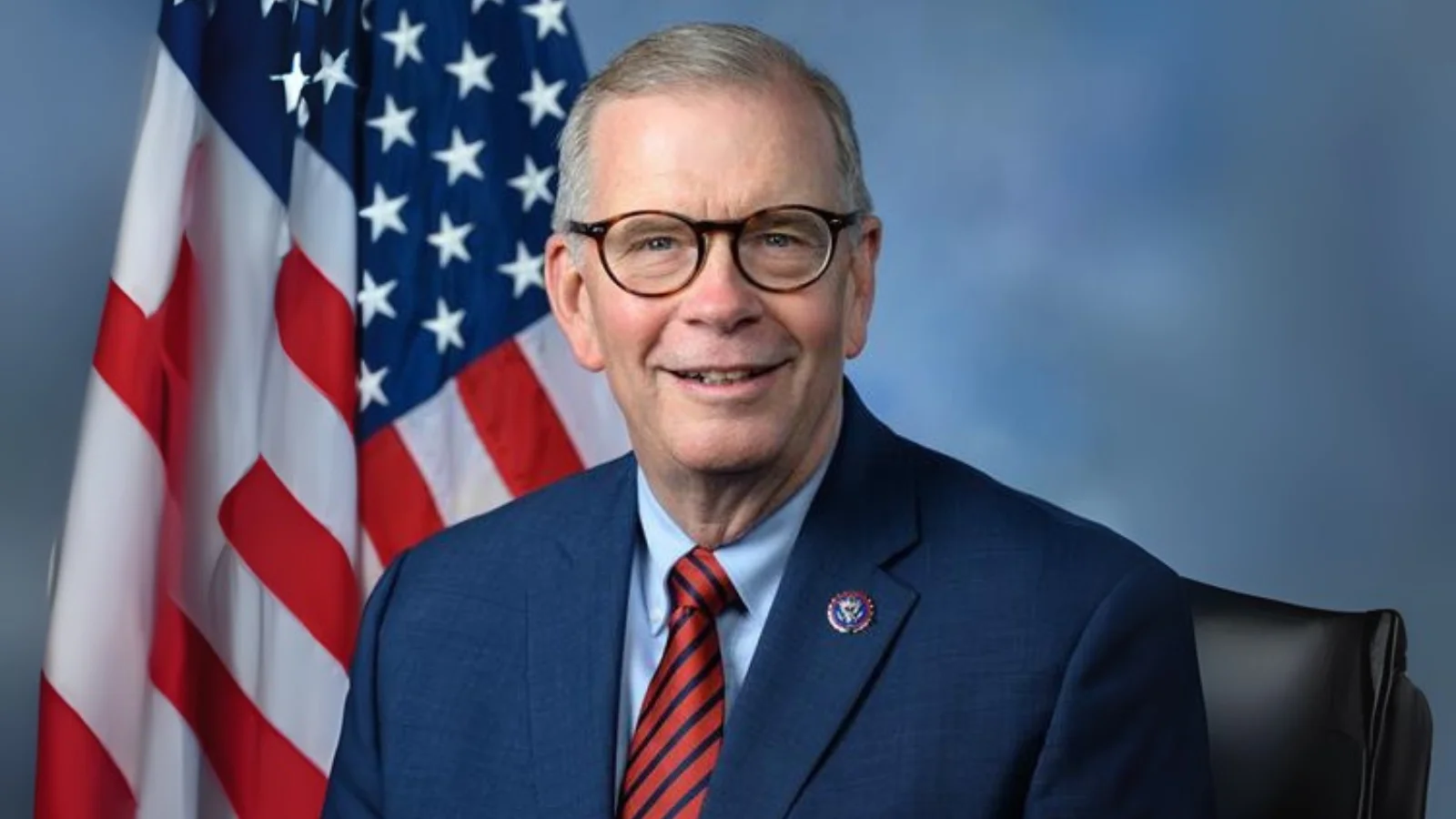
At a recent hearing, Health, Employment, Labor, and Pensions Subcommittee Chairman Rick Allen (R-GA) addressed the ongoing impact of artificial intelligence (AI) in American workplaces. The session, titled “Building an AI-Ready America: Adopting AI at Work,” is part of a series examining the role of AI in the workforce.
Allen stated, "Today’s hearing will examine how artificial intelligence (AI) is reshaping American workplaces and what that means for job creators and employees."
He emphasized that AI has moved beyond theory to become a significant force across industries. "AI is no longer science fiction. It is here, and it is significantly transforming industries and workplaces. Optimistically, this technology may boost productivity, empower workers, and put the American Dream within reach for more Americans. In my neighboring district, the Port of Savannah has invested more than $4.5 billion in infrastructure to support its supply chain operations, an investment that has made it the fastest-growing port on the U.S. East and Gulf coasts. But as AI becomes more common in the workplace and fuels American innovation, we must ensure that workers are protected, too."
The hearing focused on understanding how employers use AI tools and identifying potential risks for workers as adoption grows. Allen said, "To build an AI-ready America, we must first understand AI technologies themselves, how employers are using these tools, and the potential risks AI adoption poses to workers. We want to help American workers and job creators compete and succeed in an AI‑driven economy. Today’s hearing is a strong step in that direction."
Discussion also included labor law protections under current regulations such as the National Labor Relations Act as they relate to new technology in the workplace. "Today, we will discuss how the National Labor Relations Act can continue to protect worker rights and promote stable relationships between employees and management in the age of AI. As AI adoption grows, labor laws and their enforcement should strike the right balance between protecting workers and allowing innovation to spur job creation and business growth," Allen said.
Allen highlighted data collection's importance for tracking changes brought by technology: "This hearing will also discuss the critical role of data collection to gain understanding of AI’s impact on workers. The Bureau of Labor Statistics (BLS) plays an important role in tracking workforce trends, and it can help inform how AI is changing the modern workplace. Leveraging BLS insights will help us identify the challenges ahead and allow us to make evidence-based policy decisions."
He added that transparency from employers about their use of new technologies builds trust with employees: "While technology can make our workplaces better, trust and transparency always benefit the workplace. Employers protect rights, strengthen morale, and build trust when they communicate openly about how AI is deployed in the workplace. That trust is essential for a competitive workforce and strengthens ties between workers and job creators."
"The bottom line is that AI can create opportunity without compromising fairness or safety. We appreciate the insights our witnesses will offer about how we can ensure that innovation serves people—not the other way around," Allen concluded.
The House Education and Workforce Committee oversees federal programs related to education, labor issues including worker protections such as those discussed at this hearing; it manages health initiatives as well as workforce development according to its official website. The committee influences policies affecting student loans, employee safeguards like those under review with new technologies such as artificial intelligence (source). Its jurisdiction covers legislative matters involving education reform efforts alongside oversight over vocational training programs (source).