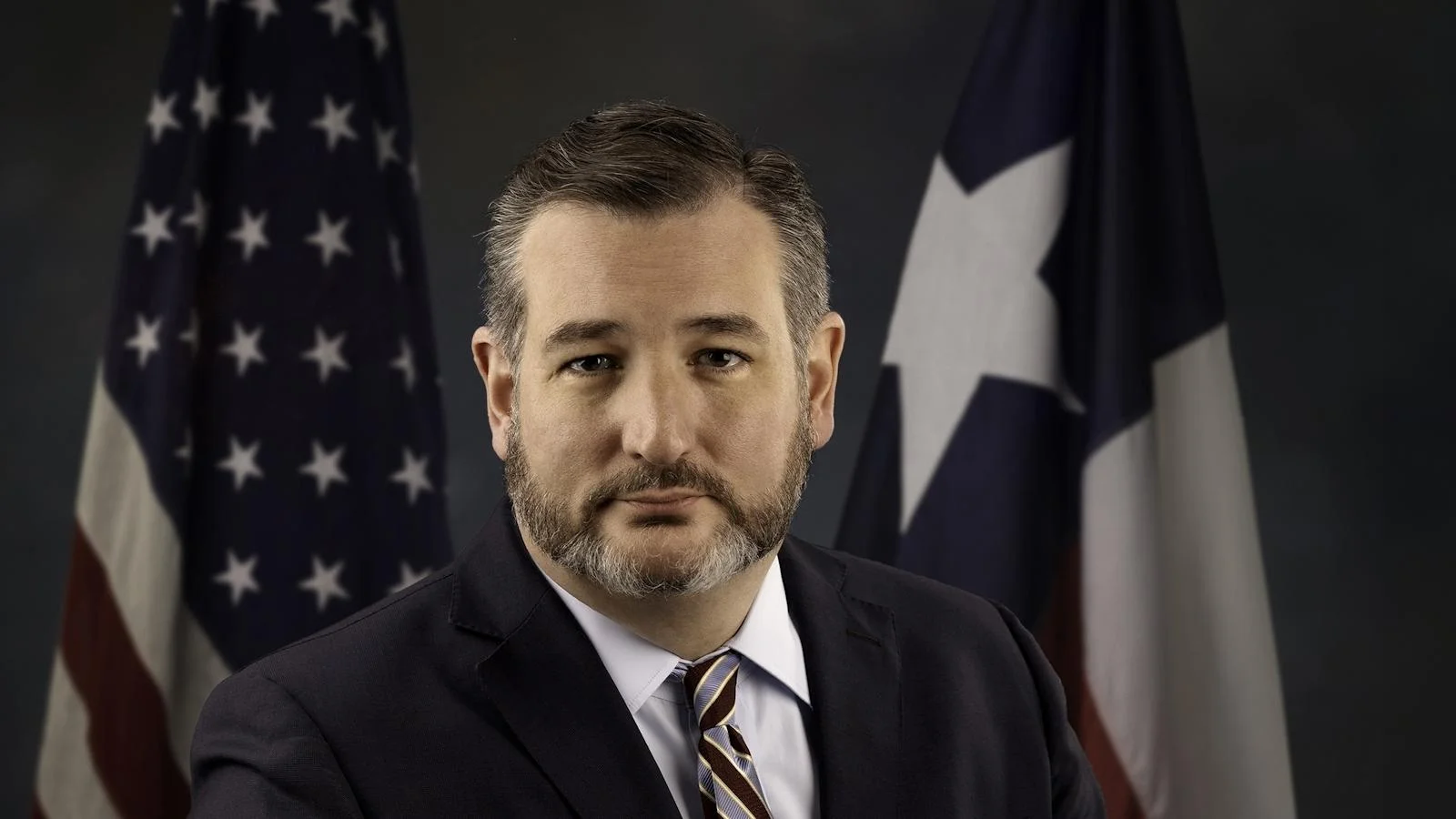
At a Senate Commerce, Science, and Transportation Committee hearing titled “Hit the Road, Mac: The Future of Self-Driving Cars,” Chairman Ted Cruz (R-Texas) emphasized the need for Congress to establish clear federal guidelines for autonomous vehicles (AVs). He pointed out that inconsistent state laws and a lack of standards from the National Highway Transportation Safety Administration have created barriers to widespread AV deployment.
The Senate Commerce, Science, and Transportation Committee is responsible for reviewing and promoting legislation on commerce, science, and transportation matters. It is led by a chairman and includes senators from both parties. The committee meets in the Russell Senate Office Building in Washington, D.C., as part of its role as a standing committee within the legislative branch addressing issues related to interstate commerce, science, and transportation. More information about the committee’s activities can be found on its official website.
In his remarks at the hearing, Sen. Cruz stated:
“Good morning. The Senate Committee on Commerce, Science, and Transportation will come to order.
“America is at a crossroads in transportation policy. Autonomous vehicles, or AVs for short, are no longer theoretical. Like it or not, they are here and will be central to the future of roadways. AVs are now providing mobility to the disabled, improving auto safety, and advancing technologies that have the potential to save millions of wasted hours in traffic, but most importantly, save thousands of American lives.
“Yet Congress has failed to establish a clear federal framework to govern AV deployment. That inaction is no longer neutral—it is unsafe.
“Without federal oversight, we risk a fragmented patchwork of state laws that undermine safety, innovation, and American competitiveness. As we consider a surface transportation reauthorization bill, it is imperative that Congress acts now to create a national standard for AVs.
“Even as some states seemingly wish to put up metaphorical roadblocks to AVs, some states are smartly getting into the fast lane. Texas understands that clear rules enable growth, investment, and safety. In Texas, AVs are moving freight on some highways and operating as taxis in cities like Austin. But AVs can’t just stop at Texas’ border.
“We should be clear about the resistance to federal action. Some insurance interests and advocacy groups argue against national standards, often under the banner of safety, while opposing reforms that would modernize our system. The vast majority of automobile accidents and crashes are from human error. But lower accident rates challenge business models built on high premiums driven by preventable collisions.
“The reality is this: the overwhelming causes of roadway fatalities today are drunk driving and distracted driving. Autonomous technologies do not drive drunk. They do not text while driving. Expanding their deployment offers a real measurable opportunity to reduce these deadly behaviors and improve safety on our highways.
“If we want to save lives and avoid tragedy for almost 40 thousand families each year we don’t need lawmakers saddling automakers with expensive junk mandates that make little to no real difference Instead we should follow the data which increasingly shows advanced AVs reduce crashes and prevent serious injuries
“We need a consistent federal framework to ensure uniform safety standards liability clarity And consumer confidence Uncertainty benefits no one — not drivers not manufacturers And not state And local officials responsible For public safety
“Some but not all insurers Are responding To The data Companies like Lemonade have lower premiums For vehicles using full self-driving mode reflecting growing evidence That these systems reduce risk The numbers confirm what many already see—technology designed To reduce human error makes roads safer
“Let’s also acknowledge That The technological progress From AVs won’t kill jobs It will ultimately create them AVs require American engineers software developers safety technicians mechanics manufacturing workers And infrastructure specialists AV deployment can support new high-skilled jobs built In The United States By American workers Moreover AVs can make people more productive And traffic more bearable
“If Congress fails To act We won’t stop innovation We’ll simply push it elsewhere China Is moving aggressively To deploy autonomous transportation At scale The technologies At stake were developed In The United States Can Be built By American workers And should Be governed By American safety standards A patchwork approach puts That leadership At risk
“Finally let me Be clear about one thing The American consumer Will decide what they choose To drive No one Is mandating AVs This isn’t like Biden’s de facto mandate killing The gas-powered car But government inaction shouldn’t deny consumers access To safer options
“A federal framework For autonomous vehicles Is Not about picking winners It Is about setting clear rules improving safety creating American jobs And ensuring That states like Texas Can continue To lead
“Surface reauthorization Is The moment For Congress To act
“I’ll turn To Ranking Member Cantwell For her remarks.”
The committee continues its review of proposed legislation concerning commerce-related issues such as those affecting self-driving cars during congressional sessions (source).