The House Appropriations Committee released the Fiscal Year 2027 Legislative Branch Appropriations Bill on April 29. The subcommittee will consider the bill on April 30, with the session to be live-streamed via the committee’s website.
This measure is important because it outlines how Congress will fund its own operations and support services, which are necessary for maintaining government functions and public access to democracy. According to the official website, the House Committee on Appropriations handles drafting of annual spending bills that allocate federal funds for government operations, including those for the legislative branch according to the official website.
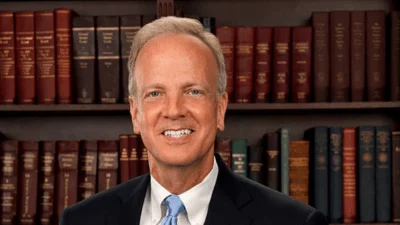
Legislative Branch Subcommittee Chairman David Valadao said, "As Chairman of the Legislative Branch Subcommittee, it’s been a productive few weeks working to put together a bill that reflects our commitment to fiscal responsibility while also ensuring the key functions of Congress. This legislation reduces unnecessary spending, focuses on core needs, and helps maintain the historic Capitol complex so it remains accessible for students, families, and visitors from across the country. It also increases funding for the Capitol Police to ensure Members, staff, and everyone who works in or visits the Capitol complex remains safe. I appreciate Chairman Cole’s leadership and partnership throughout this process, as well as my colleagues on the subcommittee, and I look forward to moving this bill to the full committee."
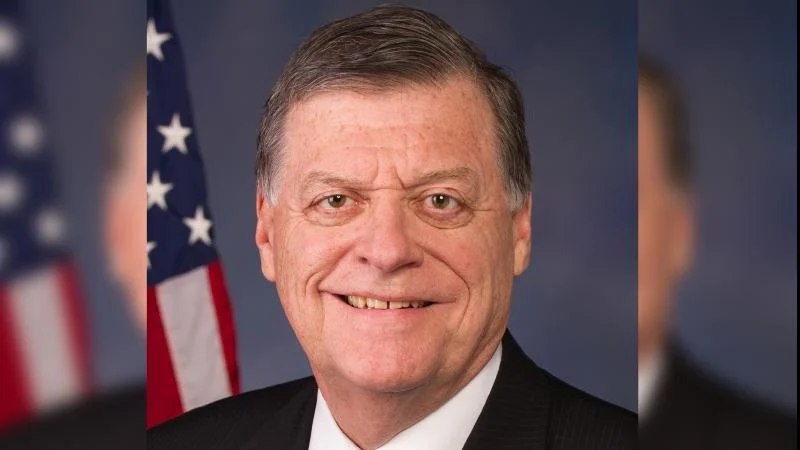
Chairman Tom Cole said, “The FY27 Legislative Branch bill is grounded in a simple principle: serve the American people – and do it responsibly. The measure strengthens the institutions that support democracy, safeguards the Capitol complex, and ensures Congress can meet its constitutional responsibilities to the nation with clarity and discipline. With focused investments in constituent services, oversight, security, and legislative capacity – we are reinforcing a more effective, responsive Congress. Chairman Valadao delivered on a clear focus of efficiency and accountability – while never losing sight of who comes first: the citizens we represent.”
The proposed legislation provides $7.3 billion in discretionary funds—$42.5 million above last year’s enacted level but over $1.2 billion below what was requested for Fiscal Year 2027 by other parties involved in budget planning.
Key provisions include maintaining resources so Congress can continue supporting presidential priorities; increasing resources for member offices; streamlining research agencies; raising funding levels for Capitol Police officers; continuing security programs provided by House Sergeant at Arms; prohibiting technology purchases from adversarial nations such as China except under national security circumstances; reducing certain appropriations compared with previous years; requiring unspent funds from Members’ Representational Allowances go toward debt reduction; restricting incentive payments if contracts fall behind schedule or exceed budgets; investing in building renewal projects like those at Rayburn House Office Building; upholding existing restrictions related to computer network content.
According to its official website the committee influences policy through passing funding legislation such as Continuing Appropriations Act. Notable personnel include Republican Harold Rogers and Democrat Steny Hoyer among others according to information available online. Tom Cole has served as chairman—he is also noted as being only forty-third person ever appointed chair since inception as stated by official records.
Looking ahead, guidance continues regarding community project requests within future appropriations bills according to committee documentation, reflecting ongoing efforts toward transparency in federal budgeting.