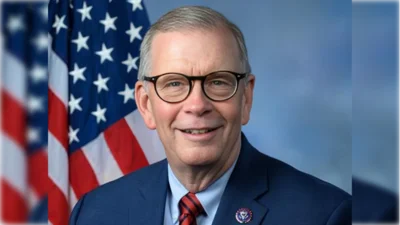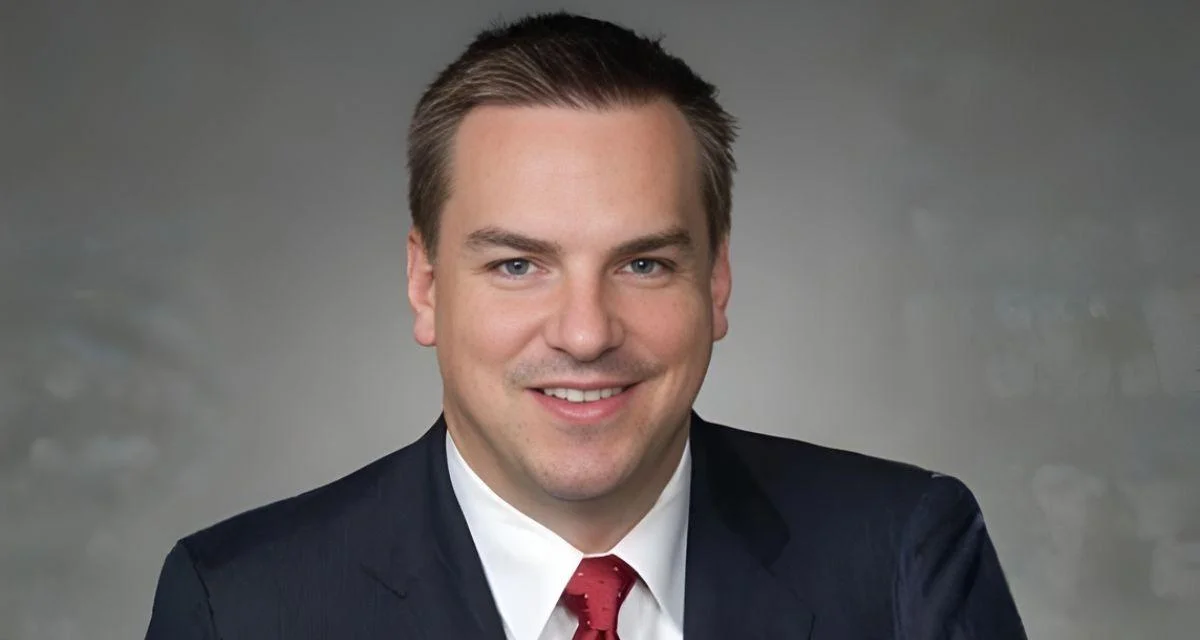
Congressman Richard Hudson, who serves as Chairman of the Subcommittee on Communications and Technology, led a hearing in Washington, D.C. to evaluate the First Responder Network Authority (FirstNet). The session, titled "Evaluating FirstNet: Performance, Accountability, and Reauthorization," addressed the program’s achievements and future needs ahead of its authorization expiring next year.
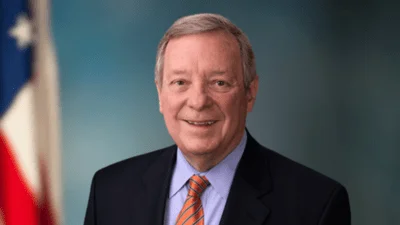
Chairman Hudson stated, “FirstNet’s authorization expires at the beginning of next year, and it is this Committee’s duty to reauthorize the program before it expires. In the process, we should examine FirstNet’s activities since its creation 15 years ago and make any changes necessary to improve its performance. The future of public safety relies on safe resources like FirstNet.”
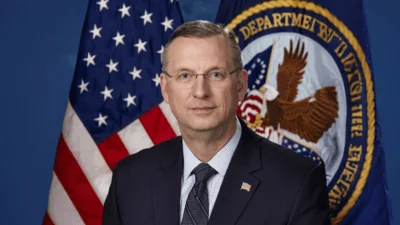
During the hearing, Congressman Neal Dunn highlighted Congress's original intent for FirstNet. He said: “When Congress created the First Responder Network Authority, there was a clear mandate to have [a] public safety, preemptive network that would be used exclusively for first responders on the ground. [...] Our nation’s heroes and public servants who are the first to respond and the first people to put their lives on the line to protect Americans need robust communications. It was a very clear mandate to give our local communities the resources they need to respond to tragedies, and what we’ve seen since 2017, when the contract was awarded, has been a tremendous success story. We’ve also learned some lessons. Our job in Congress of enforcement and oversight of the program is critical and that includes contract transparency and maintaining accountability at all levels.”
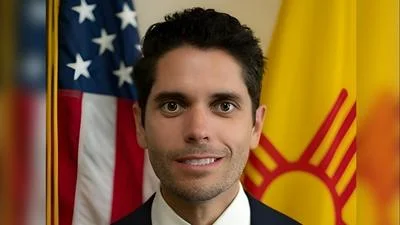
Congressman Bob Latta recalled communication failures during national emergencies: “On 9/11, I was driving. I was in the General Assembly in Ohio at the time. And of course, everything just collapsed. You’re trying to use your cell phone to find out what was going on. Everything was down. Everything. [...] For our first responders out there, we worried about that. […] And that’s why with FirstNet, we want to make sure that never, ever occurs again, because we want to make sure for the people that the first responders are out there trying to protect, but also to protect those first responders.”
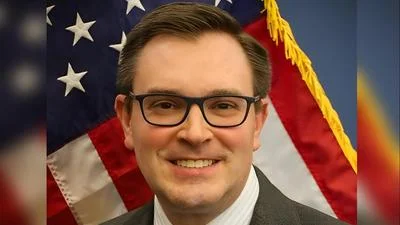
Congressman Craig Goldman asked Sherriff Adkinson about conditions before FirstNet existed compared with today’s improvements: “Can you just take us through, anecdotally, what it was like before FirstNet was created? Any stories you may have? And then the improvements of FirstNet and where we are today?” Sherriff Adkinson responded: “I mean, obviously, 9/11, the impetus of this. But I can tell you I’ve been through Hurricane Katrina, and there was no ability to talk. When there was so much volume,[…] you have everybody trying to call at one time. What happens now with priority and preemption is that those first responders now have access to this network.[…] This ensures that our first responders can get out when nobody else can.”
The House Energy and Commerce Committee oversees telecommunications issues such as those discussed in this hearing; it addresses energy policy as well as health care topics according to its official website. The committee has contributed significantly over time by shaping policies on broadband deployment among other areas according to official sources. Established in 1795 as one of Congress's oldest standing committees per historical records, it continues overseeing federal agencies related not only to telecommunications but also energy and health care matters as described by committee documentation.