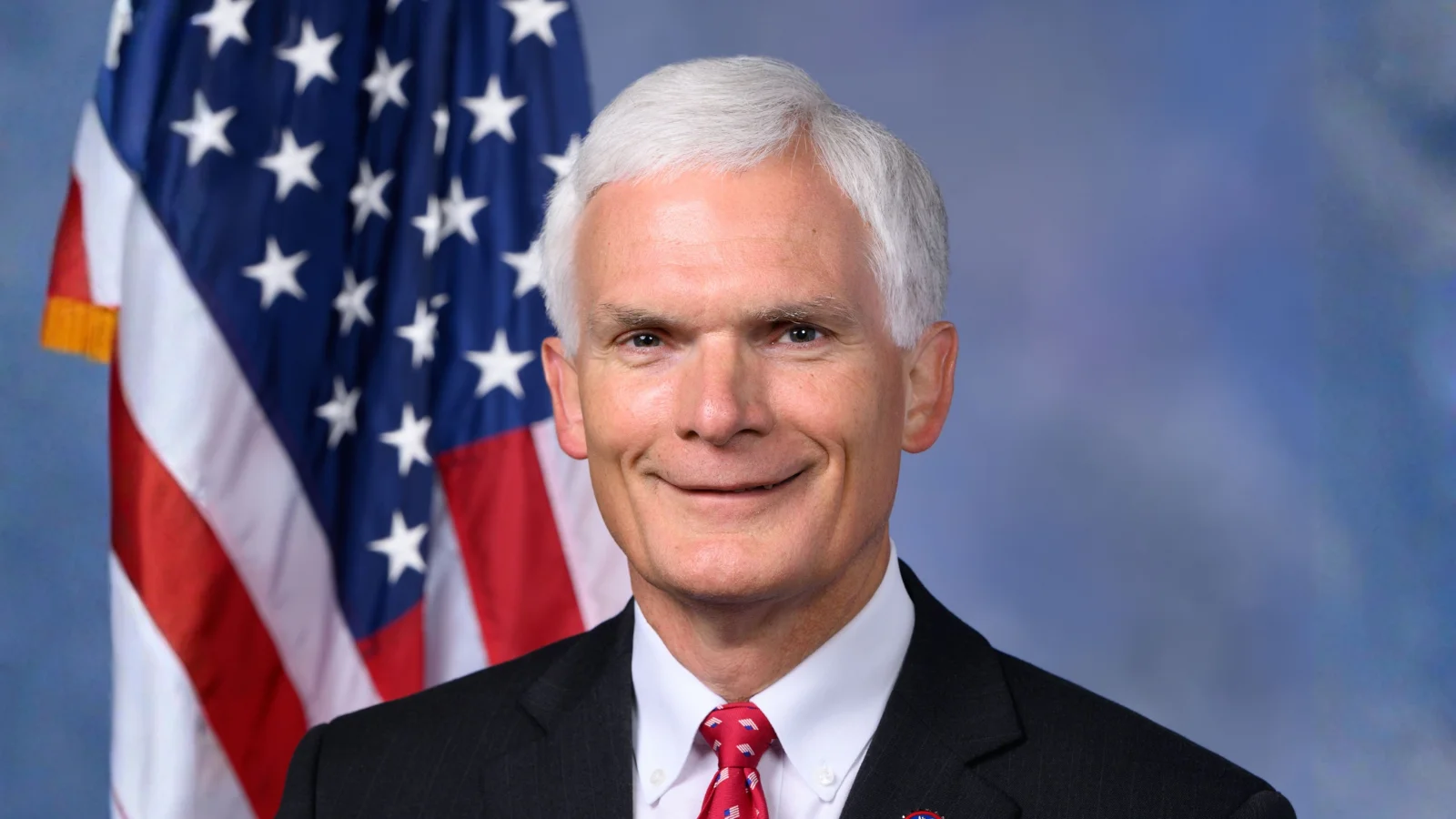
Congressman Bob Latta, Chairman of the Subcommittee on Energy, opened a markup session in Washington, D.C., to discuss five bills aimed at improving the security and resilience of the nation's electric grid. The bills focus on updating programs to address both physical and cyber threats facing critical energy infrastructure.
Latta noted that two of the bills had previously advanced through the committee with bipartisan support. He said, “These bills, two of which we have moved through the Committee in past Congresses with strong bi-partisan support, also strengthen the Department of Energy’s ability to carry out its energy emergency functions.”
During a recent legislative hearing, witnesses highlighted the need for collaboration between industry stakeholders and government entities. Latta stated, “At our legislative hearing three weeks ago, witnesses emphasized the importance of robust collaboration between industry, states, and the federal government to ensure secure energy systems.”
The subcommittee is considering these measures amid increasing concerns about advanced threats from foreign adversaries. Latta addressed this by saying, “As noted in recent hearings, Communist China remains the most active and persistent threat to American critical infrastructure networks. Its proxies have pre-positioned attack capabilities in American infrastructure, to be used during a major crisis or conflict.”
He also emphasized that maintaining security requires ongoing intelligence sharing and adequate resources: “The interconnected nature of our energy systems requires constant intelligence sharing, clear visibility into threat landscapes, and sufficient resources to fill gaps in security protections, particularly for rural and small utility service territories.”
Among the proposed legislation is H.R. 7305, which aims to improve information sharing between grid operators and intelligence agencies regarding threats to the power sector. According to Latta: “A key ingredient of this program involves two-way sharing of information between grid operators and the intelligence community to their mutual benefit: improving the ability to assess risks and threats and then how to act upon that information.”
Another bill under consideration is H.R. 7258—the Energy Emergency Leadership Act—which would require Senate confirmation for an Assistant Secretary at DOE responsible for energy emergency functions. This move is intended to provide more focused leadership within DOE.
Latta also discussed H.R. 7266—the Rural and Municipal Utility Cybersecurity Act—which seeks targeted funding for small utilities serving communities including military installations.
States play a crucial role in safeguarding energy infrastructure due to their unique insight into local vulnerabilities. On this point Latta said: “States are critical to energy security. They have unique visibility into the interconnected relationships, risks and vulnerabilities related to the energy systems within their borders.”
H.R. 7257—the SECURE Grid Act—aims to expand state-level awareness of potential threats affecting electric distribution networks.
Finally, H.R. 7272—the Pipeline Cybersecurity Preparedness Act—would establish a non-regulatory program under DOE leadership focused on pipeline security coordination across sectors.
Latta concluded: “All told, these bills advance the important bipartisan work of this Subcommittee to protect critical energy infrastructure.”
The House Energy and Commerce Committee oversees issues related to energy policy as well as health care, environmental protection, telecommunications and consumer matters (https://energycommerce.house.gov/). The committee has influenced national policy on topics such as broadband expansion and pharmaceutical pricing (https://energycommerce.house.gov/). Established in 1795 as one of Congress’s oldest standing committees (https://energycommerce.house.gov/), it continues its tradition of promoting bipartisan initiatives on technology infrastructure and public health (https://energycommerce.house.gov/).