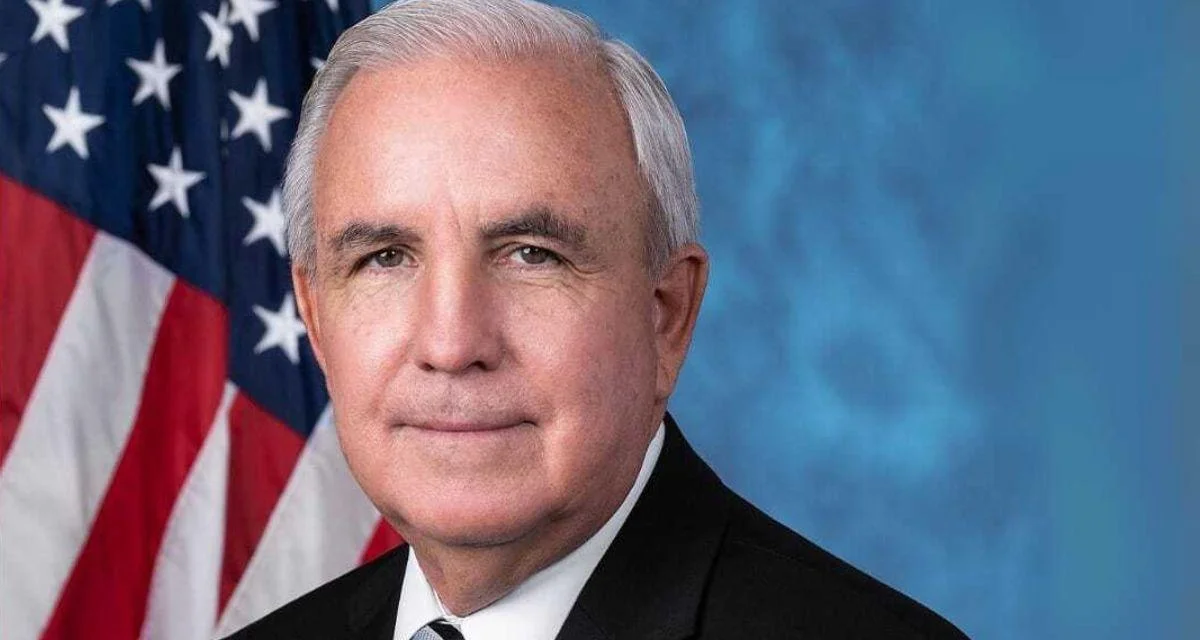
Subcommittee on Transportation and Maritime Security Chairman Carlos Gimenez (R-FL) delivered an opening statement at a hearing focused on the role of the U.S. Coast Guard’s Deployable Specialized Forces (DSF) in homeland security. The hearing took place amid a partial shutdown of the Department of Homeland Security (DHS).
Chairman Gimenez began by thanking witnesses for attending despite the ongoing DHS shutdown, expressing hope that an agreement would be reached soon to allow DHS employees to return to their duties.
The main focus of the hearing was on the Coast Guard’s DSF, particularly their involvement in stopping maritime narcotrafficking, smuggling, and other threats originating from what Gimenez described as "Communist dictatorships." He highlighted recent operations, noting that “USCG’s DSF played a critical role in the seizure of sanctioned oil tankers off the coast of Venezuela,” which he said demonstrated their importance in high-risk maritime missions.
Gimenez addressed Venezuela's continued exportation of sanctioned oil and its impact on both Venezuelan citizens and U.S. security interests. He referenced Operation Absolute Resolve, stating: “On January 3rd, Operation Absolute Resolve marked a turning point in dismantling Venezuela’s regime with the swift capture of Nicolas Maduro and his wife. This powerful operation begins to restore democracy for the people of Venezuela and upholds the rule of law. I commend President Trump, our military, and diplomatic leaders for their coordinated efforts to complete this successful operation. This decisive action sent a clear message to adversaries worldwide: The United States must not be trifled with.”
He also shared personal reflections about his family's history fleeing Cuba over sixty-five years ago, saying: “This operation is personally significant to me, as my family fled to America from the Cuban Communist regime over [sixty-five] years ago. The United States is the shining light of democracy, and through this Operation, can support a future of democracy in Venezuela.”
Looking ahead, Gimenez called for further action against Cuba’s government: “Cuba must be considered next: Just the other day, I echoed President Trump’s executive order to impose strict tariffs on all countries that send oil to Cuba’s dictatorship, to end the Castro regime once and for all. I have called for the immediate end of oil shipments to Cuba that fund the corrupt communist regime and crush the Cuban people.”
He emphasized that securing maritime borders by targeting sanctioned Venezuelan oil tankers is vital for regional security: “Securing our maritime front by halting and dismantling these sanctioned oil tankers from Venezuela is key to unlocking security and freedom in our corner of the Western Hemisphere.” He expressed gratitude for Coast Guard personnel conducting vessel boardings under U.S. and international law.
During Fiscal Year 2025, DSF units seized nearly 510,000 pounds of cocaine as part of drug interdiction efforts—a figure highlighted during discussions about DSF capabilities.
The Government Accountability Office (GAO) participated in reviewing DSF operations at this hearing. Gimenez stated Congress should consider GAO recommendations as well as proposals outlined in Force Design 2028—a recently released Coast Guard strategy document—which includes plans for establishing a Deployable Specialized Forces Command.
Concluding his remarks, Gimenez reiterated requests for additional classified briefings regarding recent oil tanker seizures near Venezuela involving operational leaders from Joint Interagency Task Force South.