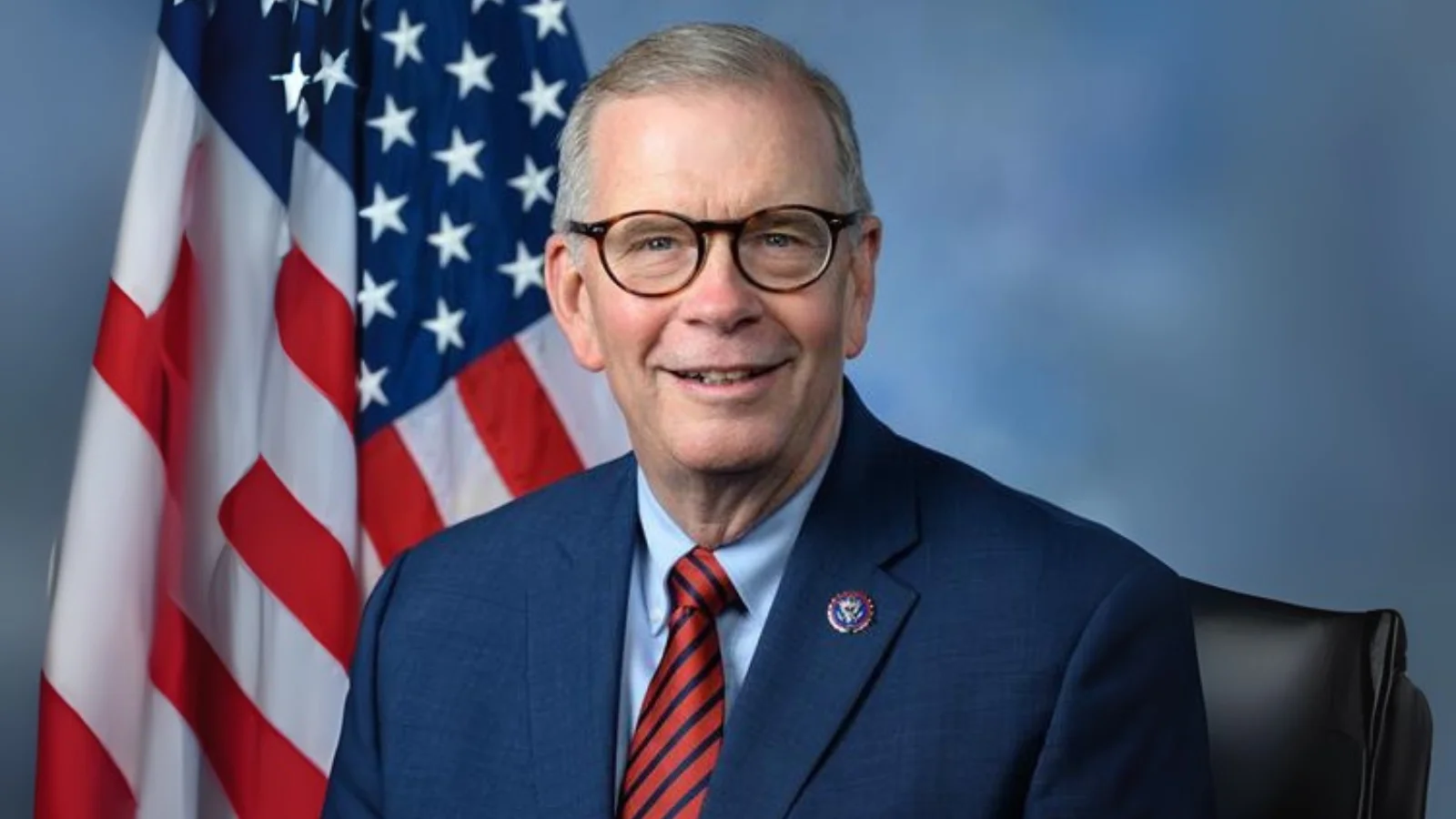
Higher Education and Workforce Development Subcommittee Chairman Burgess Owens (R-UT) addressed the issue of rising college costs during a recent hearing titled "Runaway College Spending Meets the Working Families Tax Cuts." In his prepared remarks, Owens discussed the increasing financial burden on students and families.
"Today we will acknowledge a simple fact – college has gotten too expensive," Owens said. He noted that since 1970, tuition rates have grown fivefold, surpassing inflation. Owens pointed out that colleges are spending more on administration, athletics, and non-academic programs rather than focusing resources on instruction. According to him, data show colleges may soon spend more per student on administrative costs than teaching.
He also observed that these trends have led Americans to question the value of higher education. To address concerns about affordability, Congressional Republicans passed the Working Families Tax Cuts, which included measures aimed at reducing college costs.
Owens explained that the legislation simplified student loan repayment from over 50 plans to just two options: a fixed 'mortgage' style plan and a "repayment assistance plan" for borrowers needing targeted relief. The law introduces accountability by tying taxpayer funding for degree programs to graduates’ earnings outcomes. Additionally, it sets limits on federal loans for graduate and professional students in an effort to control tuition increases.
"Unfortunately, graduate student loan debt has become a significant driver of overall student debt," he said.
Owens expressed pride in actions taken by the committee but acknowledged ongoing challenges with college affordability. He called for further reforms in accreditation and highlighted recent steps by the Department of Education related to negotiated rulemaking on this subject.
He mentioned state-level initiatives in Utah and Florida focused on cutting administrative expenses, adopting performance-based funding models, revising tenure policies, and prioritizing accreditation standards linked to student results.
"I’m confident that restoring market incentives to higher education will result in better pricing for students," Owens said. "Every student should feel empowered to pursue an education that fits their goals and know that the degree they choose is worth the cost."
The House Education and Workforce Committee oversees federal programs related to education, labor, health care policy, and workforce development as described on its official website. The committee shapes national policy regarding issues like student loans and worker protections while monitoring government agencies involved with these areas [source]. It also leads legislative priorities designed to support both students and workers [source].