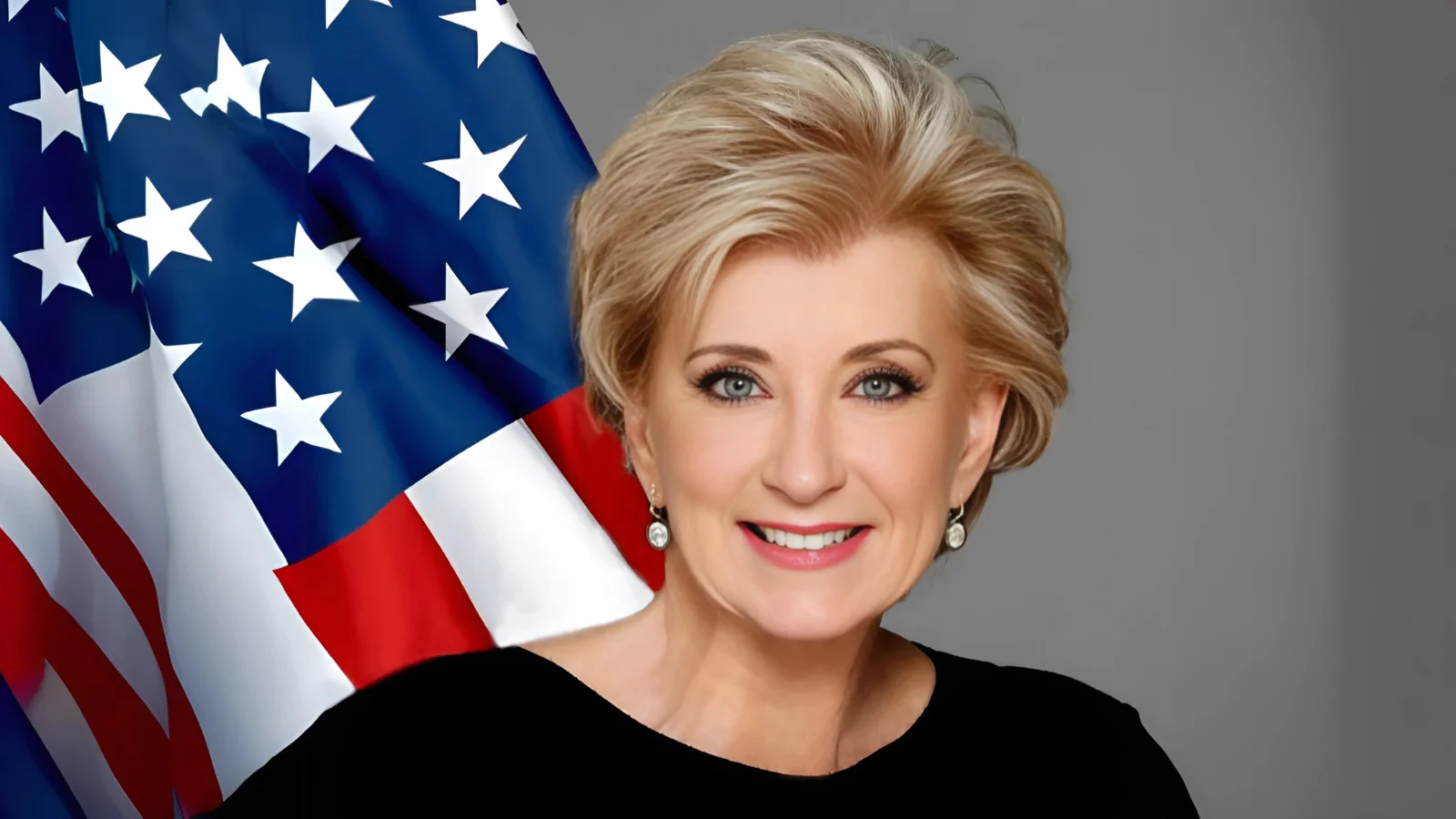
The U.S. Departments of Education, Interior, and Labor held a consultation with Tribal leaders in Washington, D.C., aiming to strengthen the partnership between the federal government and Tribal nations. More than 1,000 representatives from American Indian, Alaska Native, and Native Hawaiian communities participated in what officials described as the largest consultation of its kind. The event provided an opportunity for Tribal leaders to ask questions and offer feedback on the Department of Education’s Indian Education Partnership.
A public comment period is now open until March 12, 2026. The Department of Education stated it will review and respond to questions and feedback received during this time.
U.S. Secretary of Education Linda McMahon said, “This partnership is not just a policy: it is a promise rooted in trust, treaty obligations, and our shared responsibility to ensure that every Native American student has access to high-quality education and the opportunities that follow. The insights gained will shape the path forward as we implement our partnerships to help ensure Tribal schools and training programs can focus on serving students instead of complying with burdensome bureaucratic regulations. Together, we are building a system that reflects the values and aspirations of the communities it serves, while ensuring the funding for these critical programs continues.”
U.S. Secretary of the Interior Doug Burgum added, “Improving educational outcomes for our tribal communities is paramount to the future of our country. As the Department of the Interior assumes administration for Indian education programs, in coordination with the Department of Education, we are actively prioritizing the advancement of Indian education to ensure tribal communities are set up for long-term success. This crucial work, in direct alignment with President Donald J. Trump's priorities on educational choice and economic freedom, will deliver stronger schools, greater opportunity, and real pathways to success for Native students and their communities.”
U.S. Secretary of Labor Lori Chavez-DeRemer stated, “The Department of Labor is proud to partner with Secretary McMahon and the Department of Education to engage Tribal leaders and strengthen the government-to-government relationship as we align education with workforce opportunity. Under President Trump’s bold leadership, we are working to empower Tribal nations with greater flexibility, expand apprenticeship and career pathways, and ensure Native youth and adults have the skills to succeed in the workforce of tomorrow.”
In November 2025, these three departments announced expanded partnerships governed by Interagency Agreements (IAAs). Through these agreements:
- The Department of Education will procure services from both Interior (DOI) and Labor (DOL) for certain programs.
- DOI will provide services related to elementary through higher education as well as vocational rehabilitation.
- DOL will focus on fiscal set-asides intended for Tribes that support literacy improvement efforts and workforce development.
While DOI takes on more administrative responsibilities for Indian education programs at various levels—including elementary/secondary education—DOL's role involves supporting initiatives aimed at increasing employable skills among Native youth.
The Office of Indian Education within ED led this consultation along with senior department officials who have authority over recommendations from Tribal leaders.
According to ED’s Tribal Consultation Policy: “In the operation of its programs, ED will consult with tribes and seriously consider tribal views, information, and interests... ED will also make a serious effort to incorporate those views... whenever new initiatives or program changes would have a substantial direct effect on Indian educational opportunities under those programs.”