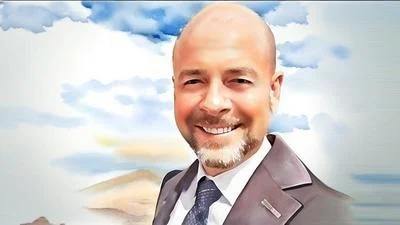
Ukrainians are living under winter blackouts and missile strikes. Russia’s intentional bombing of Ukrainian energy facilities means large swaths of the Ukrainian population are enduring freezing temperatures with limited electricity and water. Mykola Murskyj argues that Russia’s war is aimed at destroying Ukrainian nationhood, and he insists that only force can stop it.
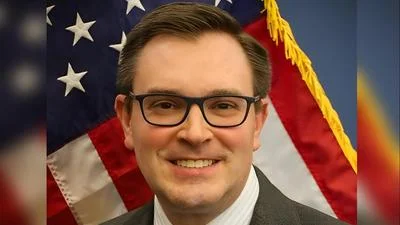
Murskyj is director of advocacy at Razom for Ukraine, and is a former international affairs specialist at the Department of Justice Criminal and the U.S. Secret Service. After a recent visit to Ukraine, he describes life there as “like you’re camping,” even inside apartments. “There’s this incongruity that makes it feel incredibly eerie and … undignified,” he says. Despite the conditions, he says citizens “have made a deeply spiritual, grounded human decision to push through this and to thrive.”
Their resolve extends beyond the daily hardships. During a church conference in western Ukraine, power outages interrupted proceedings, yet Murskyj says no one paused. “People just inherently knew what to do when the power goes out during a conference,” he says. Churches, he adds, are planning for the future even amid bombardment.
Murskyj rejects any claims that Ukraine is resisting peace. “Ukrainians are desperate for peace,” he says. What they cannot accept is “the illusion of peace with… a thick layer of genocide underneath.” Russia’s objective, he argues, is “to destroy the Ukrainian people.”
Occupation policies imposed by the Russians where they hold Ukrainian territory support the claim. “You can’t speak Ukrainian, you can’t play the Ukrainian national instrument,” Murskyj says. The deportation and re-education of children is more evidence. “There are 19,568 known cases of Russia forcibly kidnapping Ukrainian kids,” he says. Many are placed in militarized youth programs. “They are taught to hate Ukraine,” he says. “They are basically being trained to… fight their families back in Ukraine.”
“Putin is not trying to conquer and destroy Ukraine for the sake of anything physical or tangible,” Murskyj claims. The Kremlin seeks a restored Russian empire, and symbolic dominance. “It is not arguments that are going to stop President Putin,” he says. “Only physical things are going to stop them from achieving their goals.”
That means weapons and sanctions. “We need to make sure that Ukrainians have enough weapons to be able to defend themselves and their families,” he says. Sanctions must remove “matter, physical things” such as oil revenues and microchips from Russian hands. “We do not stop Putin by negotiating with him,” he says. “Wars end when somebody wins them.”
Economic realities inside Russia mean that the economy now revolves around military production. Any pause, Murskyj warns, would likely be followed by renewed aggression. “We’re going to see an even more brutal effort,” he says.
Murskyj views recent U.S. steps as helpful. Sanctions on Rosneft and Lukoil, expanded intelligence sharing, and efforts to curb Russian oil exports have “hurt Russia’s war chest,” he says. He supports ratifying any eventual peace arrangement as a Senate treaty to ensure durability. “That would be incredible for the peacemaking legacy,” he says.
Ukrainian civilians who continue working, studying, and rebuilding amid the bombardment embody what Murskyj calls immovable matter. “They have the will to survive what Putin’s trying to do,” he says. Without decisive force, he warns, imperial ambitions will persist. “Russia needs to leave,” he says.