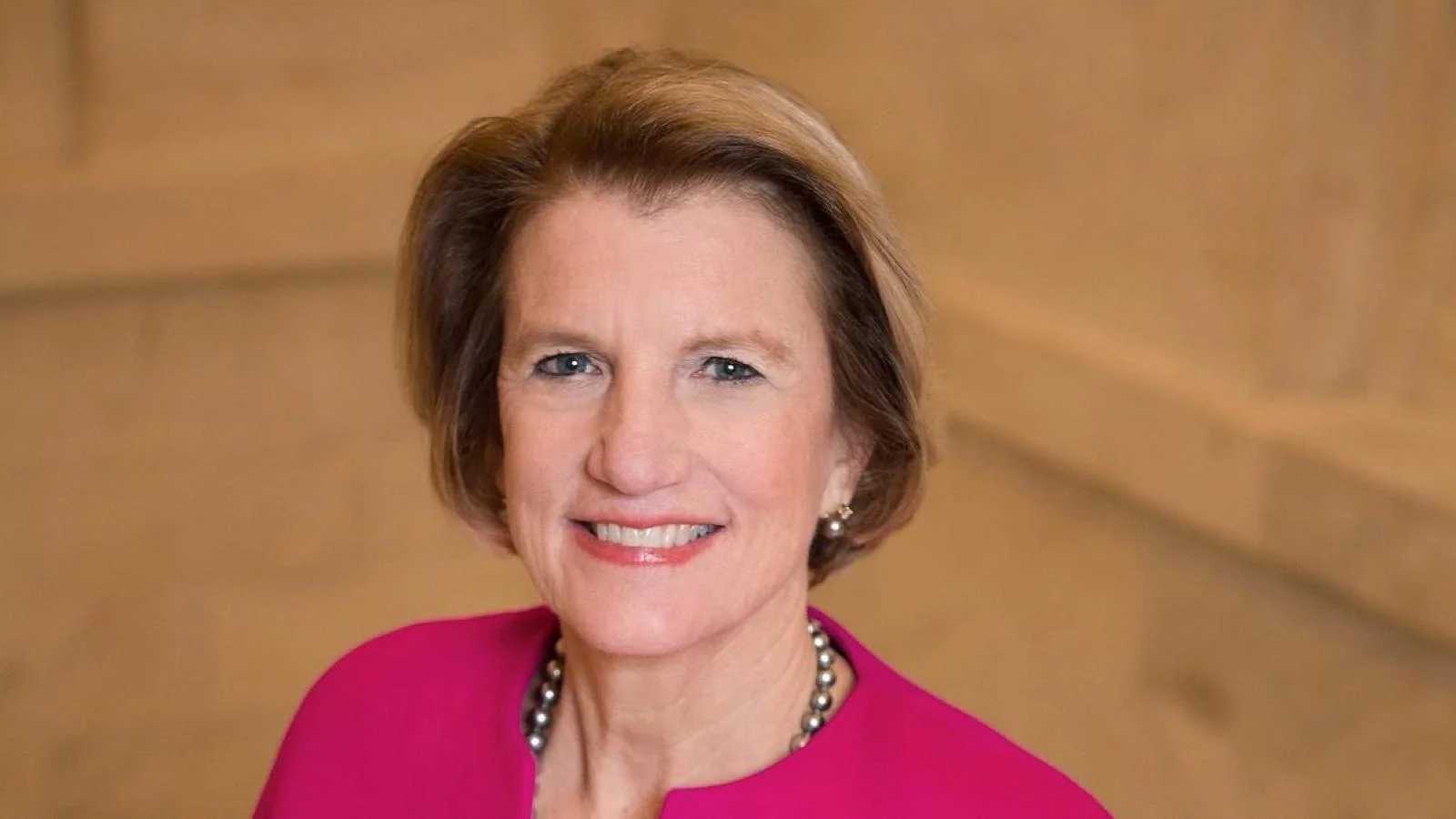
U.S. Senator Shelley Moore Capito, who chairs the Senate Environment and Public Works (EPW) Committee, led a hearing to address the Water Resources Development Act (WRDA) of 2026 and review ongoing projects and priorities of the U.S. Army Corps of Engineers. The committee convened in Washington, D.C., focusing on ensuring timely passage of WRDA legislation and maintaining collaboration with stakeholders.
In her opening statement, Capito emphasized the importance of WRDA in authorizing water resources studies and setting national policy for the Army Corps’ Civil Works Program. She noted that since 2014, the committee has maintained a biennial schedule for passing this bipartisan legislation.
"The purpose of today’s hearing is to help the Committee develop the next Water Resources Development Act. Yes, it’s that time again. We call that WRDA," Capito said.
She highlighted that both she and Ranking Member Whitehouse had solicited requests from Senate colleagues regarding WRDA 2026, receiving more submissions than previous cycles—an indication of broad interest in the bill.
"To help us kickstart the WRDA process, this hearing will allow the Committee to:
Learn more about the Trump Administration’s recently announced priorities for the Corps;
Examine the agency’s implementation of prior WRDAs; and
Discuss ongoing projects and programs of the Corps."
Capito acknowledged Secretary Telle's efforts to examine changes needed for improved delivery of water resources solutions with non-federal partners. "Secretary Telle, I appreciate and applaud your willingness to closely examine what changes need to be made to allow the Corps to better deliver water resources solutions with our non-federal partners. I look forward to learning more about those changes today."
She also praised work done by the Army Corps nationwide in navigation, flood risk management, and ecosystem restoration missions. Capito shared her recent visit to Winfield Locks and Dam on West Virginia's Kanawha River as an example of ongoing federal infrastructure efforts.
"As I have previously stated, it is important that any WRDA bill supports the timely and efficient delivery of water resources projects, while continuing to meet national missions. Flexibility is key to ensuring that the Corps can identify and carry out solutions that are tailored to the needs of each community," she said.
Capito stressed preserving roles for non-federal sponsors in these processes so local needs are addressed without imposing uniform approaches nationwide.
"We must also continue to preserve the role of our non-federal sponsors in this process. To achieve this goal, WRDA 2026 will advance studies and projects, without forcing a one-size-fits-all solution," she stated.
She referenced progress on major initiatives such as Bluestone Dam Safety Assurance Mega-Project in Hinton—which aims ultimately to protect over 150,000 people—and resumed work on Lower Mud River Flood Risk Management project in Milton.
"I am thankful to the Corps, and Huntington District in particular, for progress they are making on Kanawha River Basin and Upper Guyandotte feasibility studies," Capito said.
The Senate Environment and Public Works Committee operates from its base at Senate Dirksen Office Building (source). The committee oversees environmental quality programs along with natural resources management across America (source), influencing federal policies related not only to infrastructure but also wildlife protection (source). It conducts much of its legislative work through subcommittees focused on topics like clean air or transportation (source). Members include Shelley Moore Capito as chair alongside others such as Kevin Cramer and Cynthia Lummis (source).
Capito concluded by expressing appreciation for technical assistance provided by Army Corps staff during development of legislative requests: "Technical assistance is a vital part of our legislative process, and we greatly appreciate timely responses from the Corps."
The committee will continue its oversight role as it develops further authorizations within upcoming WRDA legislation.