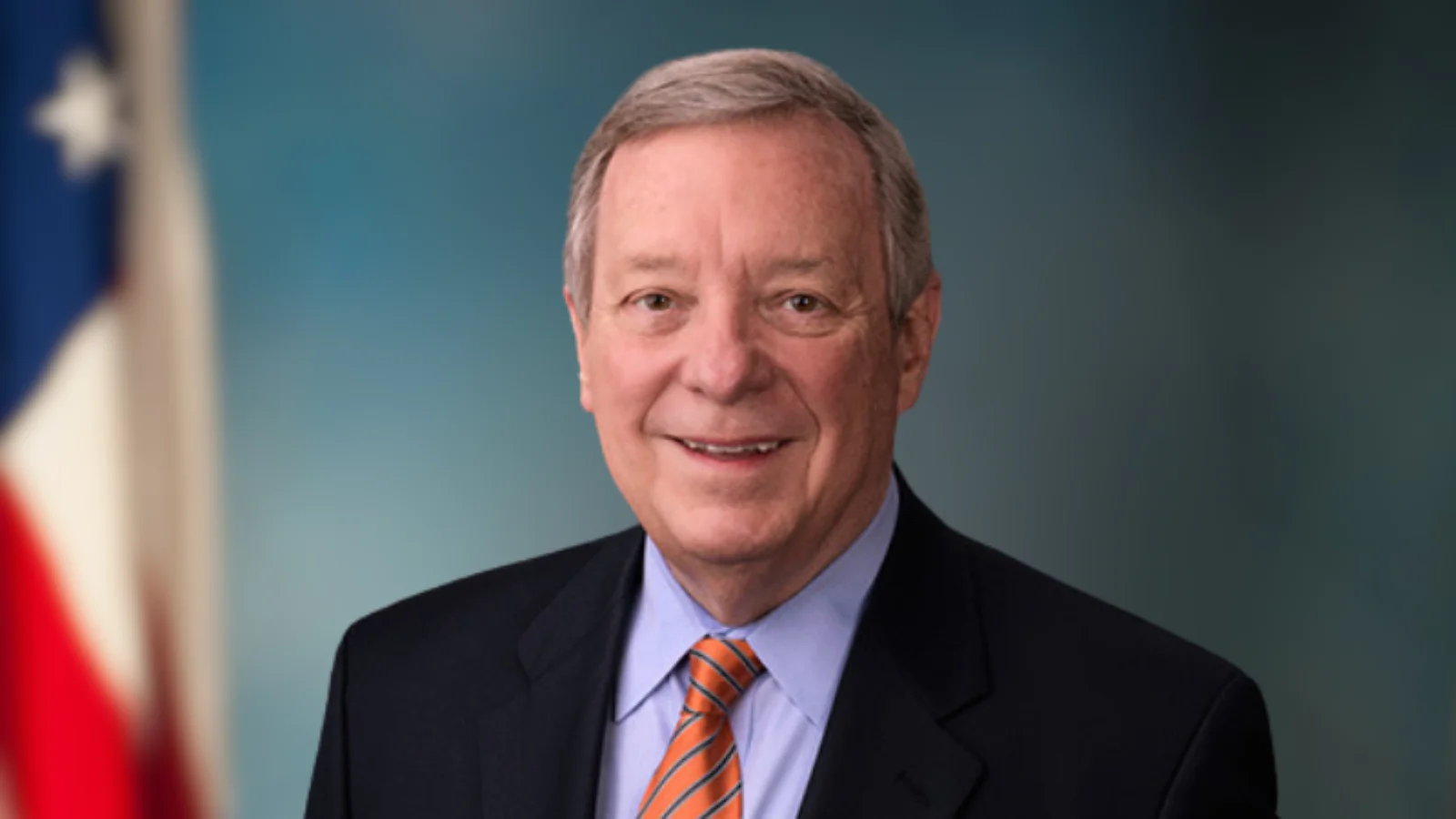
U.S. Senate Democratic Whip Dick Durbin (D-IL), who serves as Ranking Member of the Senate Judiciary Committee, questioned witnesses during a recent hearing of the Senate Judiciary Subcommittee on Crime and Counterterrorism focused on child trafficking and exploitation. The session, titled “Lost and Exploited: Confronting Child Trafficking and the Failure to Protect America’s Most Vulnerable,” addressed how federal intervention could prevent children from being drawn into dangerous situations.
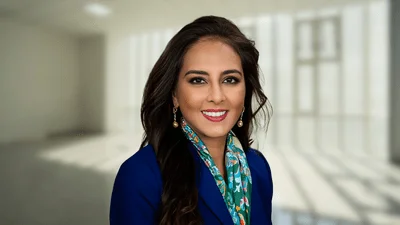
Durbin began by discussing bipartisan legislation he co-sponsored, the Runaway and Homeless Youth and Trafficking Prevention Act, with Ms. Julia Einbond, CEO of Covenant House New Jersey. He asked her about the organization’s interaction with homeless youth.
“Ms. Einbond raised the Runaway and Homeless Youth and Trafficking Prevention Act, which I reintroduced with Senator Collins last year, to reauthorize funding for essential programs and services for runaways and homeless youth. Ms. Einbond, how do you come in contact with homeless youth?” Durbin said.
Ms. Einbond explained that some young people approach Covenant House directly while others are referred through courts or law enforcement agencies. She described youth homelessness as a crisis requiring additional resources.
When asked about key demographics among homeless youth, Ms. Einbond stated that over 10 percent of those served annually at Covenant House have survived human trafficking at some point in their lives. She also noted that many youths were forced out of their homes or aged out of foster care systems; about 20 percent identify as LGBTQ+.
Durbin then questioned Ms. Yasmin Vafa, Executive Director of Rights4Girls, regarding law enforcement’s treatment of trafficking victims and challenges in prosecuting offenders.
“Part of the problem is that law enforcement ends up pointing to the victim for their activity, rather than the preparator. Explain why we can’t get it across to them that they are clearly pointing in the wrong direction,” Durbin said to Ms. Vafa.
Ms. Vafa responded by highlighting persistent stigma against survivors and pointed out that authorities sometimes overlook aspects of federal law classifying abuses such as “survival sex”—where victims engage in sex acts under duress—as sex trafficking offenses. She added that girls of color face “adultification bias,” where stereotypes cause them to be viewed not as children but as willful participants in abuse cases instead of victims.
Ms. Vafa urged subcommittee members to review state laws that still treat buying sex from minors as misdemeanors instead of felonies.
The Senate Judiciary Committee oversees legislative matters related to constitutional protections, civil rights, public safety, judicial nominations, and federal law enforcement activities across the country from its base in Washington D.C., involving senators from both major parties under a committee chair's leadership.