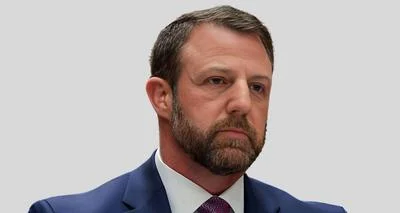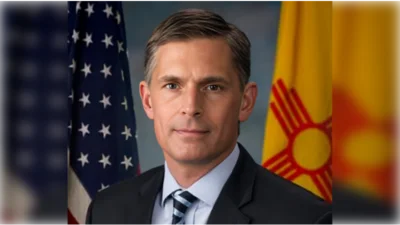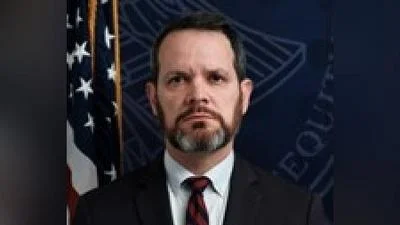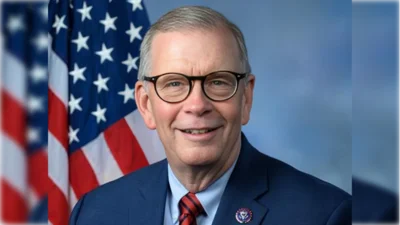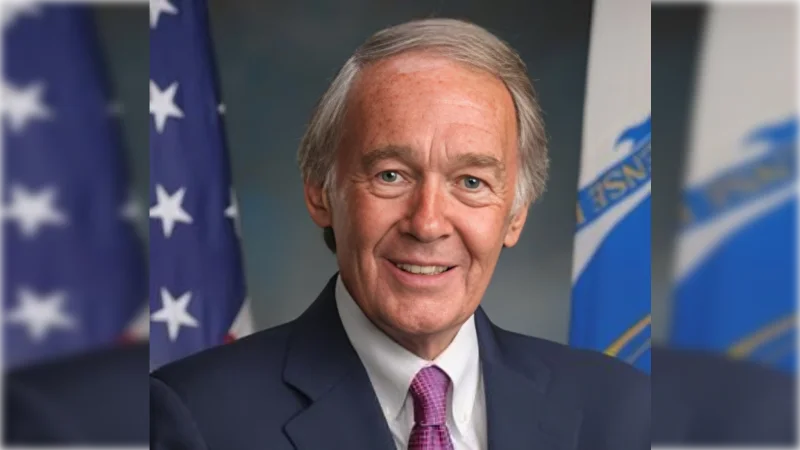
Ranking Member Edward J. Markey (D-Mass.) has sent a letter to several Trump administration officials, urging the creation of a formal tariff refund process and calling for an investigation into Wall Street traders’ practices related to tariff rebates. The letter was addressed to U.S. Securities and Exchange Commission Chairman Paul Atkins, U.S. Customs and Border Protection Commissioner Rodney Scott, Small Business Administration Administrator Kelly Loeffler, Secretary of Commerce Howard Lutnick, U.S. Trade Representative Ambassador Jamieson Greer, Council of Economic Advisers Chair Stephen Miran, and Secretary of Homeland Security Kristi Noem.
Markey’s letter responds to reports that investment banks are purchasing tariff refund rights from small businesses at significant discounts due to the lack of an official refund mechanism.
“Delaying the refunds owed is a prescription for more pain inflicted on U.S. companies and their customers…Large businesses, such as Federal Express, have already sued the federal government for refunds on tariff costs, but this approach is too time-consuming and cost-prohibitive for small businesses. We, as a nation, cannot afford our cost crisis to endlessly drag on,” Markey stated.
He continued: “Predictably, where consumers and Main Street suffer, Wall Street sees a potential financial windfall. According to the Wall Street Journal, investment banks are offering businesses between 20 to 40 cents on the dollar to buy up tariff refund rights. Over time, small businesses will be disproportionately tempted to take Wall Street up on these offers. Large businesses can afford the massive legal fees associated with years-long cases before the Court of International Trade; small businesses cannot.”
Markey concluded: “Main Street had no choice but to comply with President Trump’s tariff scheme. It is unconscionable that, as soon as the Supreme Court ruled the tariffs unlawful, investment banks swooped in to exploit the Administration’s foot-dragging in complying with the law. The Trump administration’s dithering on tariff refunds is siphoning the hard-won earnings of American small businesses into Wall Street coffers while keeping prices for consumers elevated. This has to stop.”
Markey has consistently advocated for relief measures aimed at supporting small businesses affected by recent economic policies under former President Trump.
Last week he introduced the Tariff Refund Act of 2026 alongside Senate Finance Committee Ranking Member Ron Wyden (D-Ore.) and Senate Foreign Relations Committee Ranking Member Jeanne Shaheen (D-N.H.), which would mandate full refunds following a Supreme Court decision striking down certain tariffs.
Previously in February and December 2025, Markey released reports highlighting how tariffs have impacted Main Streets across America and provided state-by-state data regarding total tariffs paid by small businesses during parts of 2025.
In November 2025 Markey sent letters renewing his call for equitable processes around tariff refunds directed at various federal agencies’ leaders and held press conferences with Massachusetts business owners impacted by tariffs.
His earlier legislative efforts included introducing both the Small Business RELIEF Act in September 2025—exempting small firms from specific tariffs—and attempting passage of similar measures like the Small Business Liberation Act in May and August 2025; these were blocked twice by Senate Republicans.
The Senate Small Business and Entrepreneurship Committee, where Markey serves as ranking member according to its official website, supports informed decision-making about national fiscal priorities while providing Congress with comprehensive policy options related to federal budget components through resolutions or reconciliation instructions.
Established under legislation from 1974,the committee also delivers nonpartisan budgetary analysis via oversight over agencies such as the Congressional Budget Office.