The Washington Post Editorial Board has highlighted concerns about the risks posed by the ongoing shutdown of the Department of Homeland Security (DHS). The editorial comes after recent incidents, including a strike on Iran and a shooting in Austin, Texas, which is under investigation as a potential act of terrorism.
This week, the House passed fiscal year 2026 funding for DHS with bipartisan support. This marks the second time such funding has been approved by the House. Lawmakers stressed that withholding funding from DHS presents security challenges.
As stated in the editorial: “As America’s conflict with Iran continues, the Department of Homeland Security is warning law enforcement about the heightened risk of lone wolf attacks. Yet the agency tasked with keeping Americans safe — one of the few responsibilities just about everyone agrees is appropriate for government — remains unfunded as Congress bickers over immigration politics.”
The editorial points out that while most Americans may not immediately feel changes due to the shutdown—except perhaps when traveling—the lack of full staffing at DHS could be regretted if threats materialize. Following a recent shooting in Austin where three people were killed and several injured, it was noted: “It’s not possible to draw a direct line between the shutdown and that tragedy, but having fewer people protecting the homeland at a time like this is an unnecessary risk.”
Some parts of DHS remain funded through previous legislation, but agencies like FEMA, TSA, and Secret Service are more exposed during this period. For example, only 800 out of more than 2,000 employees at the Cybersecurity and Infrastructure Security Agency are working; most have been furloughed. This reduction has led to canceled assessments aimed at detecting vulnerabilities in critical infrastructure.
The editorial also notes that over 50,000 TSA agents will miss their first paycheck this week. During last year’s shutdown, nearly ten percent did not report to work. Some FEMA processing employees have also been furloughed.
On legislative matters related to appropriations and federal funding bills—including those affecting DHS—the House Committee on Appropriations plays a central role in drafting annual spending bills for government operations (https://appropriations.house.gov). Notable members include Harold Rogers (Republican) and Steny Hoyer (Democrat), according to its official website (https://appropriations.house.gov). The committee provides guidance for community project funding requests included in appropriations bills (https://appropriations.house.gov) and influences policy through its authority over major legislation such as Continuing Appropriations Acts (https://appropriations.house.gov).
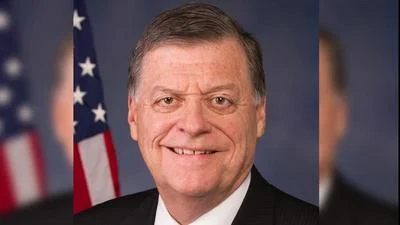
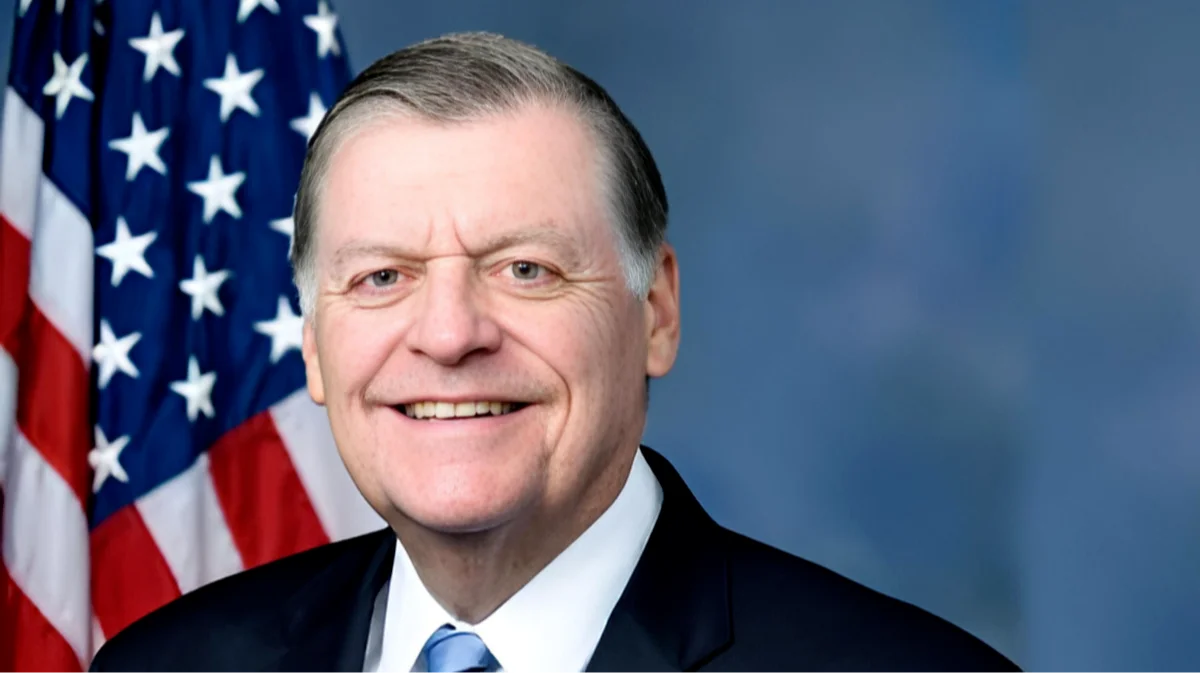
Tom Cole currently serves as chairman of this committee and is noted as its 43rd chairperson (https://appropriations.house.gov).
House floor comments from Chairman Tom Cole were cited: “[Democrats] think that by shutting the government down, they are somehow punishing Donald Trump for winning an election, but President Trump is not the one feeling the pain of a shutdown.” He emphasized that “it’s the American people who are at risk because Democrats decided to shut down DHS and limit the department's ability to keep our nation safe.”
The editorial board argues for compromise solutions within Congress to maintain both public safety and accountability measures at DHS: “Banning agents from wearing masks and requiring a form of identification is normal across American law enforcement... Mandating use of body cameras and requiring better training wouldn’t just help restore public trust. It would boost credibility of agents.”
As negotiations continue amid ongoing international tensions involving Iran, lawmakers face pressure to resolve differences so federal agencies responsible for national security can operate fully.