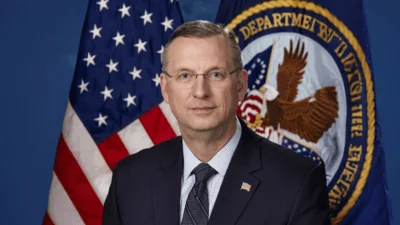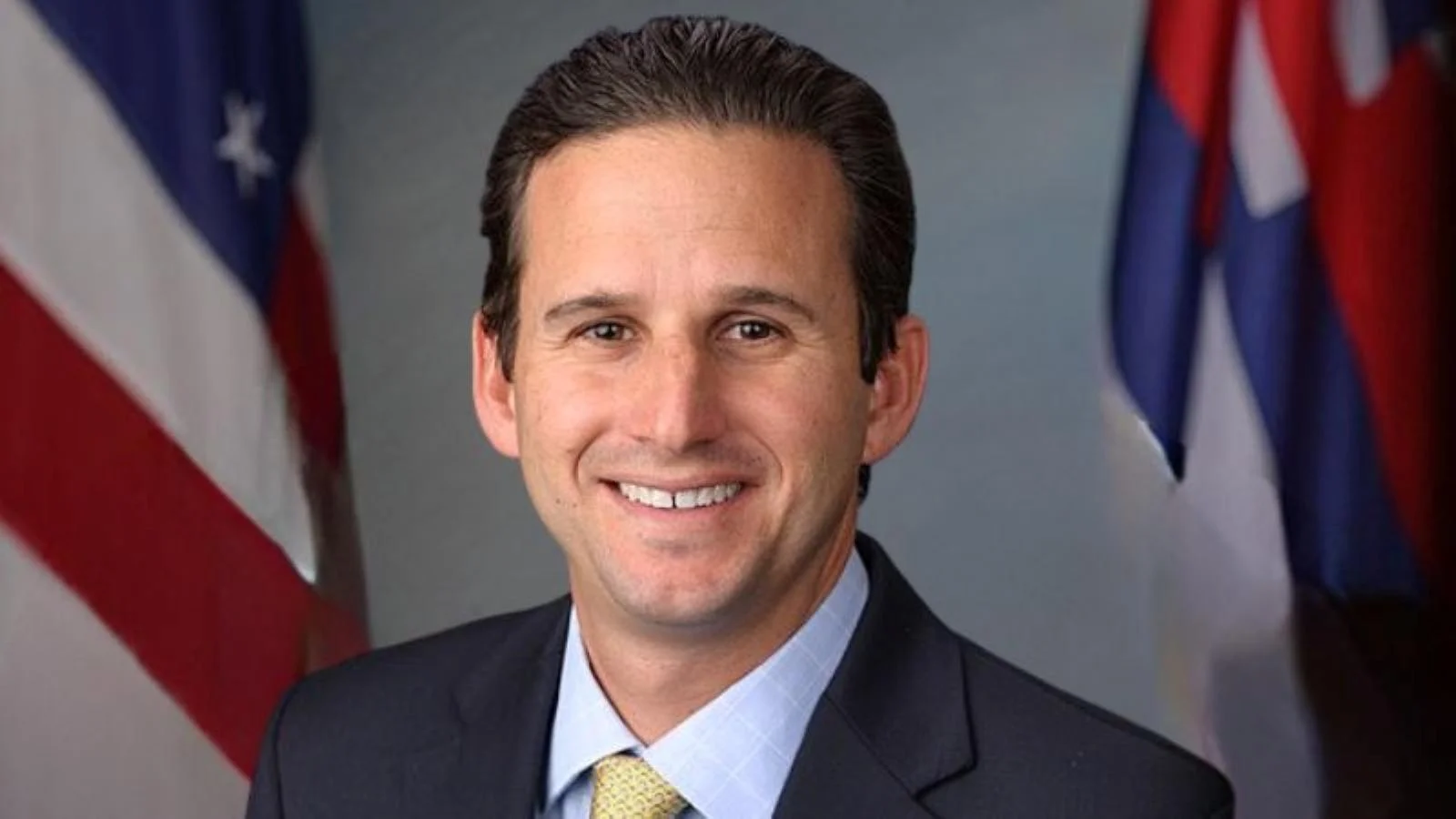
U.S. Senator Brian Schatz, Vice Chairman of the Senate Committee on Indian Affairs, and U.S. Senator Lisa Murkowski, Chairman, held a hearing on Mar. 12 to review federal policies governing Indian water rights settlements and to receive testimony on S. 953, the Northeastern Arizona Indian Water Rights Settlement Act of 2025.
The hearing focused on the importance of congressional action in codifying Indian water rights settlements and fulfilling trust responsibilities to Native American communities. The Senate Committee on Indian Affairs supports self-determination for Native American communities through policy development and oversight, according to the official website.
"Congress’s obligation to consider legislation that codifies Indian water rights settlements is not optional. It’s the critical final step to ensure our trust responsibilities are met," Schatz said during the hearing. "I urge my colleagues to move pending settlements like S. 953 forward. Authorize them. Fund them. Give Tribes, states, and water users in these basins the certainty they need, not just for today, but for generations to come."
Murkowski said, "Indian water rights settlements are about more than resolving legal claims—they’re about honoring our trust responsibilities, strengthening tribal self-determination, and making sure Native communities finally have the infrastructure they need to secure reliable access to clean water." She added that it is necessary "to find the resources to uphold our commitments to Tribal Nations so that they can build strong sustainable futures."
The Senate Committee on Indian Affairs oversees legislation and federal responsibilities related to Native American tribes in areas such as education, health care, economic development, Alaska, and other U.S. insular regions as reported by its official website (source). The committee also influences federal policy regarding tribal sovereignty and self-governance (source), operating as a standing committee dedicated exclusively to Native American affairs (source). It became a permanent standing committee in 1984 after originally forming as a select committee in 1816 (source).
Written testimony will be accepted by the committee until March 25 at testimony@indian.senate.gov.