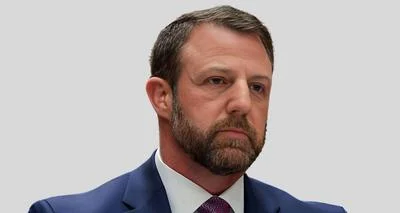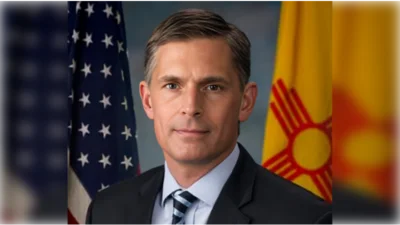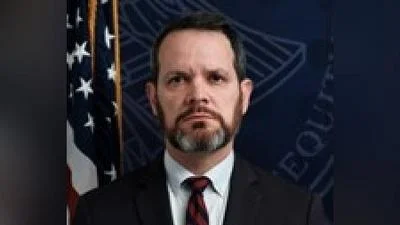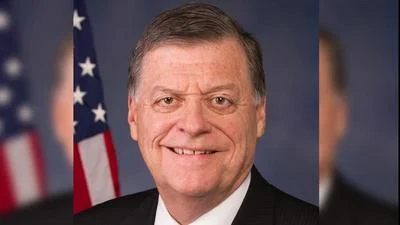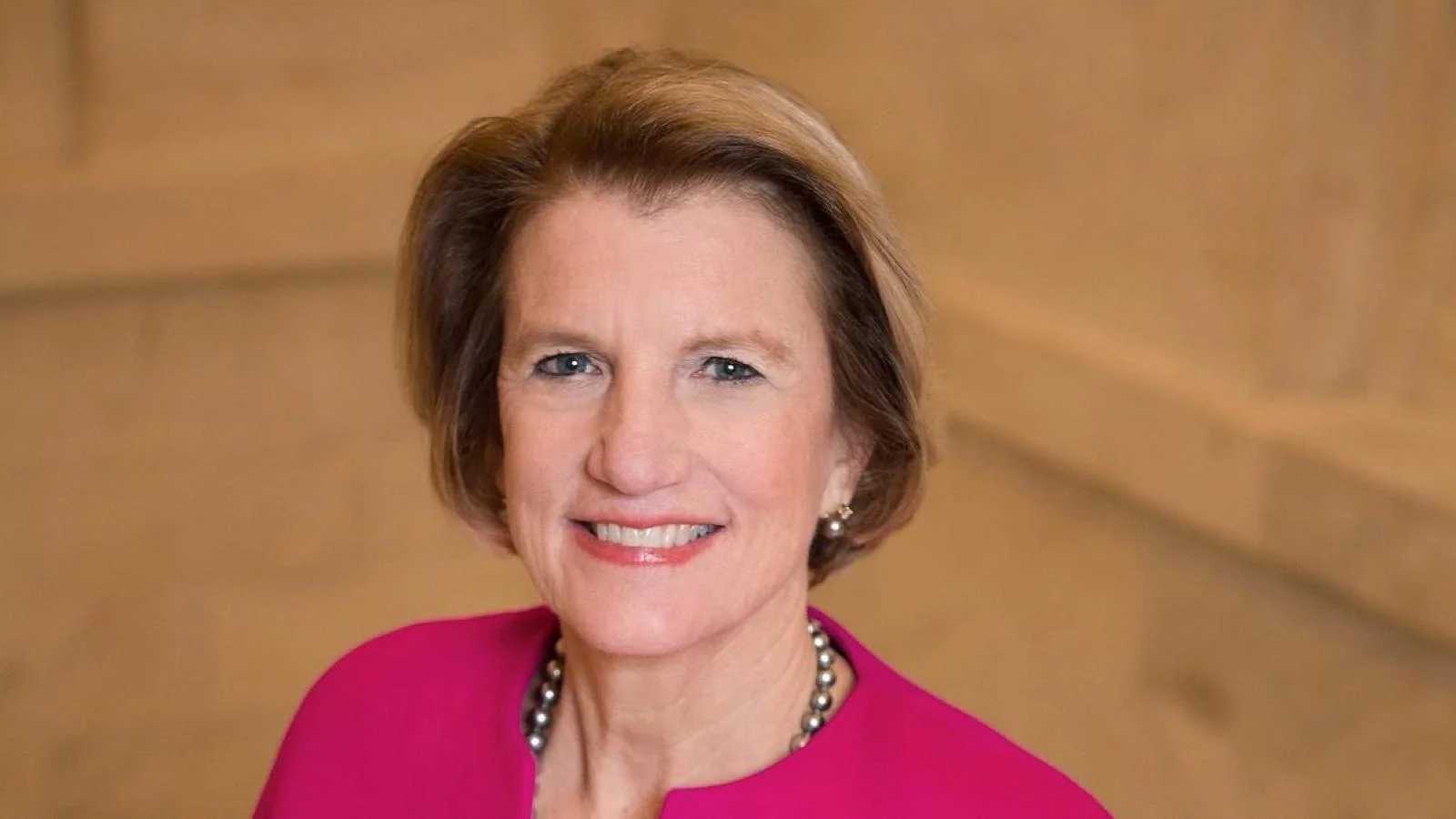
Senator Shelley Moore Capito, Chairman of the Senate Environment and Public Works Committee, participated in a Fisheries, Water, and Wildlife Subcommittee hearing on Mar. 18 to examine the implementation of the Endangered Species Act (ESA). The hearing focused on challenges and opportunities related to state involvement, species affected by natural causes, and regional differences in ESA enforcement.
The topic is significant as the ESA impacts environmental policy, industry operations, and wildlife protection across the United States. The Senate Environment and Public Works Committee oversees federal programs related to environmental quality, natural resources, and infrastructure to balance conservation with national needs according to the official website.
During the hearing, Capito questioned witnesses about whether states could play a larger role in protecting endangered species instead of relying solely on federal oversight. "Certainly, coming from a state like West Virginia, we’re very, as every state is, familiar with the Endangered Species Act and some of the pluses and some of the minuses. Because, in some cases, the ESA has, at times, been used to unnecessarily slow down progress... And so those impacts are felt everywhere... I am curious to know... Mr. Yablonski... could you elaborate on that a little bit in what kind of capacities...?" she said.
Brian Yablonski of the Property and Environmental Research Center responded: "I’m a former state wildlife chairman in Florida... There’s something like 200,000 species... The states probably manage 99% of those species... But I think there’s another provision in the ESA under Section 6 that allows for ESA cooperative agreements that could be used more robustly... Within the statute it lays out five requirements that states would have to hit for Fish and Wildlife Service to shift management... In a state like Florida all five are very doable." When asked why this approach is not more common Yablonski said: "Yeah, I would say part of it is a mindset at the agency itself. It’s hard to just kind of shift something directly back to the states. The other is litigation. We actually tried this in Florida in 2012... but Florida ended up backing off because of litigation."
Capito also raised concerns about listing species suffering from diseases unrelated to human activity: "You know...the [northern long-eared bat] – it has a white-nose syndrome.... How do you see that as conflicting...?" Jake Li from Defenders of Wildlife replied: "Thank you for that question Senator Capito.... we know northern long-eared bat ... are listed because of white-nose syndrome.... So ... wind energy companies [can] fund mitigation measures for white-nose syndrome as a way to meet ESA requirements for mortality from wind turbines.... That gives a lot more flexibility to energy companies." Capito added: "I think there has to be some flexibility here.... if the bat is still suffering from a terminal disease,... numbers are going down whether it’s getting hit by a windmill or not.... How do you solve that problem?"
Regional differences were also discussed. Capito asked about variations across regions; Yablonski said: "I think it’s interesting that one of the commonalities are large charismatic species.... But it also drains resources where some should be coming off [the] list and we should be putting resources toward other species that really need it."
The Senate Environment and Public Works Committee maintains its administrative base in the Senate Dirksen Office Building according to its official website. The committee handles legislation affecting environmental regulations nationwide and collaborates through subcommittees on topics such as clean air and water resources according to its official website.
As discussions continue within Congress regarding potential reforms or adjustments to how endangered species protections are implemented nationwide, observers will watch how these hearings may influence future policy decisions.