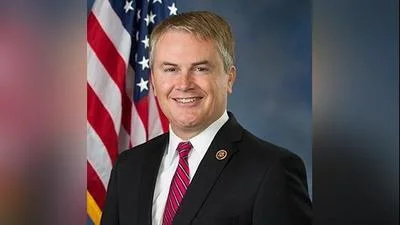
U.S. Senator Martin Heinrich, Ranking Member of the Senate Energy and Natural Resources Committee, said on March 19 that the Trump administration should provide consistent support for bipartisan nuclear energy policies to help lower energy costs for consumers.
The issue is important as Americans face rising energy bills due to tariffs, international conflicts, and project delays. Heinrich said that adding large energy sources to the grid quickly is necessary to address these challenges.
During his opening statement at a committee hearing examining the Department of Energy’s implementation of President Trump’s May 2025 executive orders on nuclear energy, Heinrich highlighted Congress’s ongoing efforts to advance nuclear policy. He said, “Congress has routinely affirmed the importance of nuclear energy as a key solution to meeting our national energy needs.” He added, “The broad deployment of nuclear and renewable power together can foster a grid that is both reliable and affordable for Americans.”
Heinrich criticized what he described as inconsistent signals from the administration. “In the same year that the President signed the executive orders we are discussing today, he also sought a budget that would’ve reduced funding for the Office of Nuclear Energy by over $400 million dollars. A reduction that would have surely impaired the Department’s ability to execute on these important activities,” Heinrich said.
Heinrich also pointed out recent legislative actions supporting nuclear innovation and fuel security. He referenced bipartisan bills such as the Nuclear Energy Innovation and Capabilities Act, which directed DOE to assess its ability to authorize advanced test reactors; the Energy Act of 2020, which authorized DOE programs for advanced fuels; and other measures aimed at strengthening domestic supply chains and regulatory processes.
Looking ahead, Heinrich expressed hope for further legislative proposals promoting U.S. nuclear innovation. He concluded his remarks by saying, “I’ll close by adding that addressing energy affordability also requires promoting certainty,” emphasizing that confidence in safety regulations and departmental roles is essential for industry progress.